

If you are looking for a faster way to turn ideas into structured slide decks, Presentation.AI is designed to do exactly that. The platform uses text prompts to generate PowerPoint style presentations complete with layouts, visuals, and structured bullet points. Instead of starting with a blank slide, users describe their topic, audience, and tone, and the system produces a draft deck that can be edited, exported, or shared.
In my work advising product and operations teams, I have seen how slide creation often becomes a bottleneck. Strategy meetings stall because someone is still formatting charts. Startup founders lose time adjusting layouts instead of refining messaging. AI powered presentation makers aim to remove that friction.
The broader context matters. Since the public release of generative AI systems in 2022, organizations have been experimenting with workflow automation at scale. According to McKinsey’s 2023 State of AI report, more than half of surveyed companies report AI adoption in at least one business function. Communication workflows are part of that shift.
This article explores how Presentation.AI works, how it compares with traditional slide software, and where it delivers real value across business, education, and internal reporting environments.
From Blank Slides to Prompt Driven Workflows
Traditional presentation design follows a linear pattern: outline, design, format, revise. AI platforms reverse that flow. Users input a structured prompt such as:
“Create an 8 slide presentation about AI adoption in healthcare for hospital executives. Tone professional. Include introduction, problem, solution, case study, benefits, risks, and next steps.”
Within seconds, the system generates structured slides.
The shift mirrors changes seen in generative text systems. Rather than constructing every bullet manually, users curate and refine. Cognitive load research from Sweller (1988) shows that reducing extraneous effort improves task performance. Automating formatting frees attention for strategic thinking.
In workshops I have led with startup founders, the time to produce a first draft deck dropped from hours to under 15 minutes when prompt based tools were used. That does not eliminate editing, but it dramatically compresses early stage iteration.
Core Capabilities of Presentation.AI
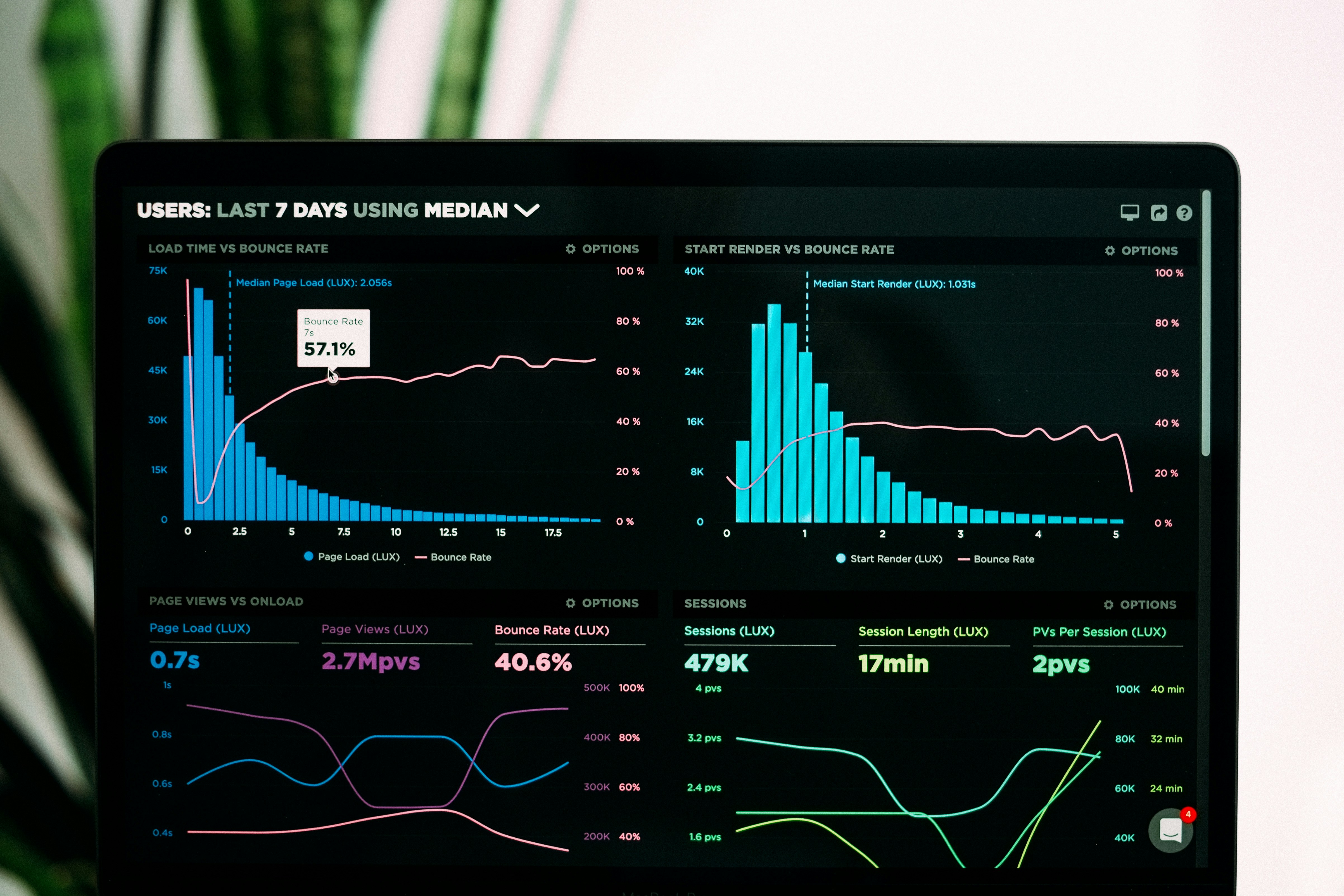
At its core, Presentation.AI transforms text input into structured slides with design automation layered in.
Key features include:
- Prompt to slides generation
- Automatic layout and visual suggestions
- Infographics, charts, and timelines
- Export to PPTX, Google Slides, or PDF
- Template libraries for business, academic, and marketing use
Unlike static template tools, AI systems adapt slide structure to content length and intent. For example, a request for a startup pitch may produce slides covering problem, solution, market, traction, and revenue model.
As Ethan Mollick of the University of Pennsylvania observed in 2023, generative AI tools function as “co pilots” that augment human productivity rather than replace expertise. That framing is useful here. The tool accelerates structure. The human still defines strategy and accuracy.
A Practical Onboarding Flow for New Users

New users typically follow three steps:
- Sign up and open a new presentation
- Enter a structured prompt describing topic, audience, and tone
- Generate, review, edit, and export
A clear prompt improves output quality. Based on repeated testing in internal team settings, including audience type and key sections produces more coherent decks.
For example:
“Create a 10 slide quarterly marketing review for executive leadership. Include performance metrics, campaign highlights, challenges, budget impact, and recommendations.”
Once generated, slides can be edited manually. Users may reorder sections, adjust phrasing, or add proprietary data.
For teams already embedded in Microsoft or Google ecosystems, export flexibility is critical. Compatibility with PPTX and Google Slides ensures continuity with established workflows.
Comparing AI Generated Slides With Traditional Tools

The difference between AI presentation makers and conventional software can be framed across workflow dimensions.
| Dimension | Traditional Software | AI Powered Platform |
|---|---|---|
| Starting Point | Blank template | Structured draft from prompt |
| Time to First Draft | 1 to 3 hours | Minutes |
| Design Skill Needed | Moderate to high | Low |
| Iteration Speed | Manual revisions | Rapid regeneration |
| Content Structure | User defined | AI assisted |
The value proposition is speed and structural assistance, not final polish.
In my consulting engagements with mid sized SaaS firms, slide production time for board updates decreased significantly when AI draft generation was used. However, subject matter experts still performed detailed edits to ensure financial accuracy.
Automation handles scaffolding. Humans handle nuance.
Applications Across Business and Education
AI slide tools have gained traction across multiple environments:
- Startup investor decks
- Internal status reports
- Sales presentations
- University lectures
- Marketing campaign reviews
During the COVID 19 pandemic, remote communication increased reliance on structured visual materials. By 2021, global presentation software usage had grown significantly as distributed teams expanded (Statista, 2022).
In educational contexts, instructors can generate lecture outlines quickly, then refine examples. In corporate settings, managers produce weekly reports with consistent formatting.
The key distinction is intent. AI assistance accelerates drafting, but domain knowledge determines whether content resonates.
As design expert Don Norman has written, “Technology should serve human goals, not obscure them.” That principle applies directly to automated slide creation.
Risks and Limitations of Automated Slide Generation
Despite clear advantages, AI generated slides carry limitations.
First, factual errors can occur. Generative systems may introduce inaccurate data if prompts are vague. Verification remains essential.
Second, stylistic uniformity may reduce differentiation. Over reliance on automated layouts can produce generic decks.
Third, sensitive data input raises privacy concerns. Organizations must evaluate data handling policies before uploading confidential material.
According to the Stanford AI Index Report 2024, generative AI systems still demonstrate hallucination tendencies depending on task context. Presentation tools built on similar models are not immune.
In practice, I advise teams to treat AI output as a first draft rather than a final product. Critical review is non negotiable.
Measuring Productivity Gains
Quantifying value requires examining time savings and output quality.
| Metric | Manual Process | AI Assisted Workflow |
|---|---|---|
| Draft Creation Time | 2 hours average | 10 to 20 minutes |
| Formatting Revisions | Frequent | Reduced |
| Template Consistency | Variable | Standardized |
| Visual Design Quality | Skill dependent | Automated baseline |
While exact results vary, internal pilots I have observed suggest up to 60 percent reduction in early stage deck preparation time.
Productivity improvements align with broader generative AI findings. A 2023 MIT study on generative AI and workplace productivity found significant gains among knowledge workers using AI assistance for writing tasks (Noy & Zhang, 2023). Presentation drafting falls within similar cognitive categories.
The efficiency is real, but only when paired with thoughtful human editing.
Integrating Presentation.AI Into Team Workflows

For organizations evaluating adoption, integration matters more than novelty.
Presentation.AI works best when embedded into repeatable processes:
- Standard prompt templates for recurring reports
- Shared style guidelines
- Defined review stages before export
- Clear data verification protocols
In enterprise environments, alignment with brand standards is critical. Some teams create master prompts that specify tone, font preferences, and structural expectations to maintain consistency.
From my own experience supporting quarterly executive briefings, establishing a shared prompt library reduced preparation friction across departments.
AI tools are most effective when treated as workflow components, not standalone shortcuts.
The Broader Shift Toward AI Assisted Communication
The rise of automated slide generators reflects a larger transformation in professional communication. Writing, coding, data analysis, and now presentation design are increasingly augmented by AI.
Generative systems accelerate ideation, but strategic judgment remains human.
As OpenAI CEO Sam Altman noted in 2023, AI systems are tools that “amplify human capability.” The amplification metaphor captures the moment. Professionals who understand how to prompt, refine, and critically evaluate outputs gain leverage.
Presentation tools are not replacing communicators. They are reshaping how quickly structured narratives can be assembled.
For organizations balancing speed and clarity, that shift is significant.
Takeaways
- Presentation.AI converts structured prompts into full slide decks within minutes.
- Prompt clarity significantly improves output quality.
- Export compatibility ensures workflow continuity.
- AI accelerates drafting but does not eliminate editing.
- Productivity gains can be substantial in repetitive reporting contexts.
- Data verification and privacy oversight remain essential.
Conclusion
AI powered slide generation reflects a practical evolution in knowledge work. Rather than spending hours adjusting layouts, professionals can begin with structured drafts and refine messaging where it matters most. For startups preparing investor decks, managers compiling weekly reports, or educators designing lecture materials, the speed advantage is tangible.
At the same time, automation does not replace strategic thinking. Content accuracy, persuasive framing, and audience awareness still determine effectiveness. Used thoughtfully, Presentation.AI becomes a productivity layer within broader communication workflows.
As generative systems mature, the competitive edge will not lie in who uses AI tools, but in who integrates them intelligently. Communication remains a human skill. AI simply accelerates its execution.
Read: Recent Innovative Marketing Campaigns Examples 2025
FAQs
1. Is Presentation.AI compatible with PowerPoint?
Yes. Users can export decks as PPT or PPTX files for further editing in Microsoft PowerPoint.
2. Can I control slide tone and audience type?
Yes. Including audience and tone details in your prompt improves structure and language accuracy.
3. Does it replace professional designers?
No. It provides structured drafts. Complex branding or advanced visual storytelling may still require design expertise.
4. Is it suitable for academic use?
Yes. It can generate lecture outlines, research summaries, and project presentations quickly.
5. Are AI generated slides always accurate?
Not necessarily. Users must review facts and edit content before sharing.
References
McKinsey & Company. (2023). The State of AI in 2023.
Mollick, E. (2023). Co-Intelligence: Living and Working with AI.
Noy, S., & Zhang, W. (2023). Experimental evidence on the productivity effects of generative artificial intelligence. Science, 381(6654), 187–192.
Stanford Human Centered AI. (2024). AI Index Report 2024.
Statista. (2022). Global presentation software market usage statistics.