
I spend a significant portion of my professional life inside documents. Research papers, compliance frameworks, technical whitepapers, and internal reports define how decisions are made in academia and industry. When tools promise to “speed up research,” i usually approach them cautiously. Yet platforms like Unriddle AI signal something different. Within the first minutes of using such systems, it becomes clear that the goal is not to replace thinking but to remove friction from reading, organizing, and synthesizing complex material.
Unriddle AI is a document-first AI research assistant designed to help users extract insights from PDFs, books, audio, video, and scanned materials. It allows researchers to ask questions directly of their documents, receive summarized answers with traceable citations, and build structured knowledge over time. This matters because modern research is no longer constrained by scarcity of information. It is constrained by attention, time, and cognitive load.
What makes this category worth serious analysis is its practical impact. Academics compress literature reviews from weeks into days. Compliance teams convert dense regulatory text into structured reports. Research groups collaborate inside shared workspaces rather than passing annotated PDFs back and forth. In this article, i analyze how Unriddle AI fits into this shift, what design choices make it effective, and why document-centric AI may become foundational infrastructure for knowledge work.
From Search Engines to Research Assistants


Traditional research workflows depend on search engines and reference managers. Users search, skim, download, annotate, and synthesize manually. Over time, this approach breaks down under volume. I have seen teams collect hundreds of papers without ever fully integrating their insights.
AI research assistants represent a structural shift. Instead of searching the web repeatedly, users build a private corpus of trusted documents. The system then answers questions within that bounded context. This change improves precision and reduces noise.
Unriddle AI embodies this transition. Rather than competing with general search, it complements it by becoming the place where reading actually happens. The assistant sits beside the document, not above it. That design choice aligns with how real research unfolds, page by page, claim by claim.
Core Capabilities of Unriddle AI
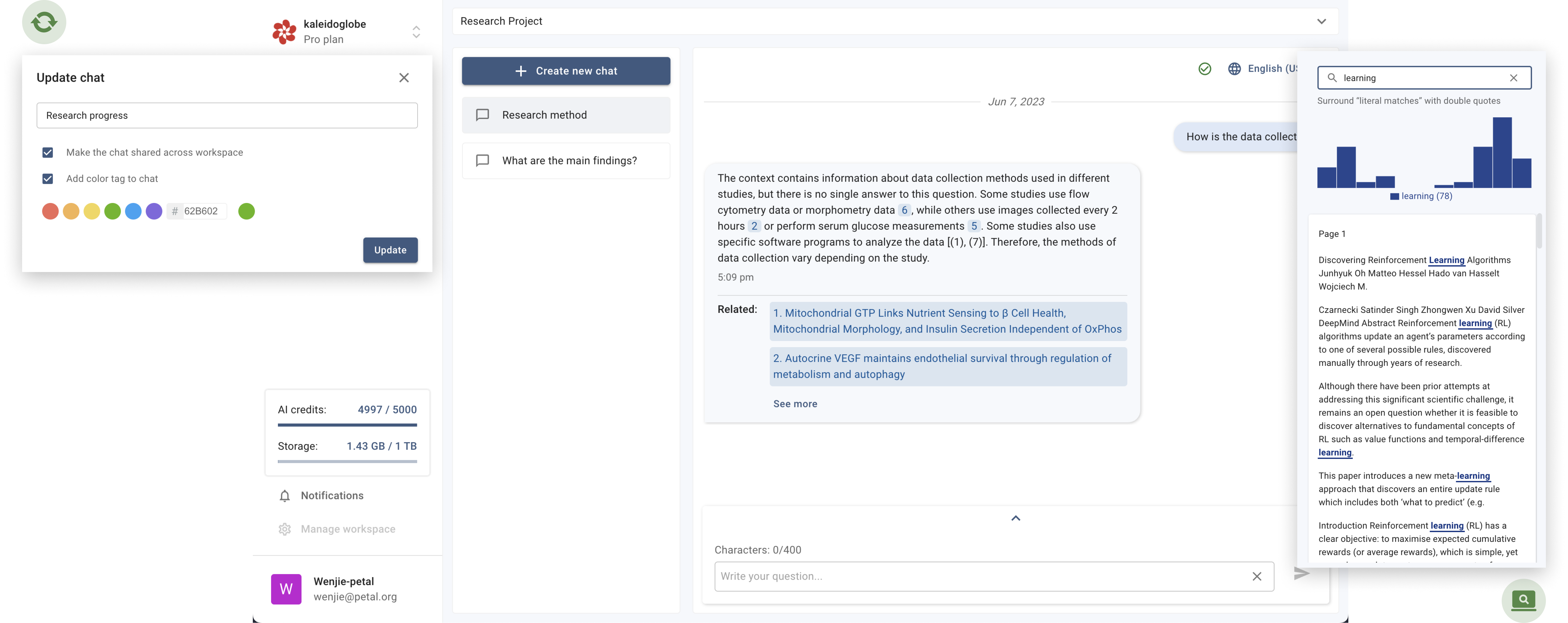


At its core, Unriddle AI focuses on three capabilities: document understanding, structured synthesis, and collaboration. Users upload materials and ask natural language questions. The system responds with extracted insights and clickable citations that map directly back to source pages.
I find the citation layer critical. Without it, AI summaries feel ungrounded. With it, trust increases because users can verify claims instantly. The platform also supports writing assistance, including autocomplete and citation generation, which reduces context switching during drafting.
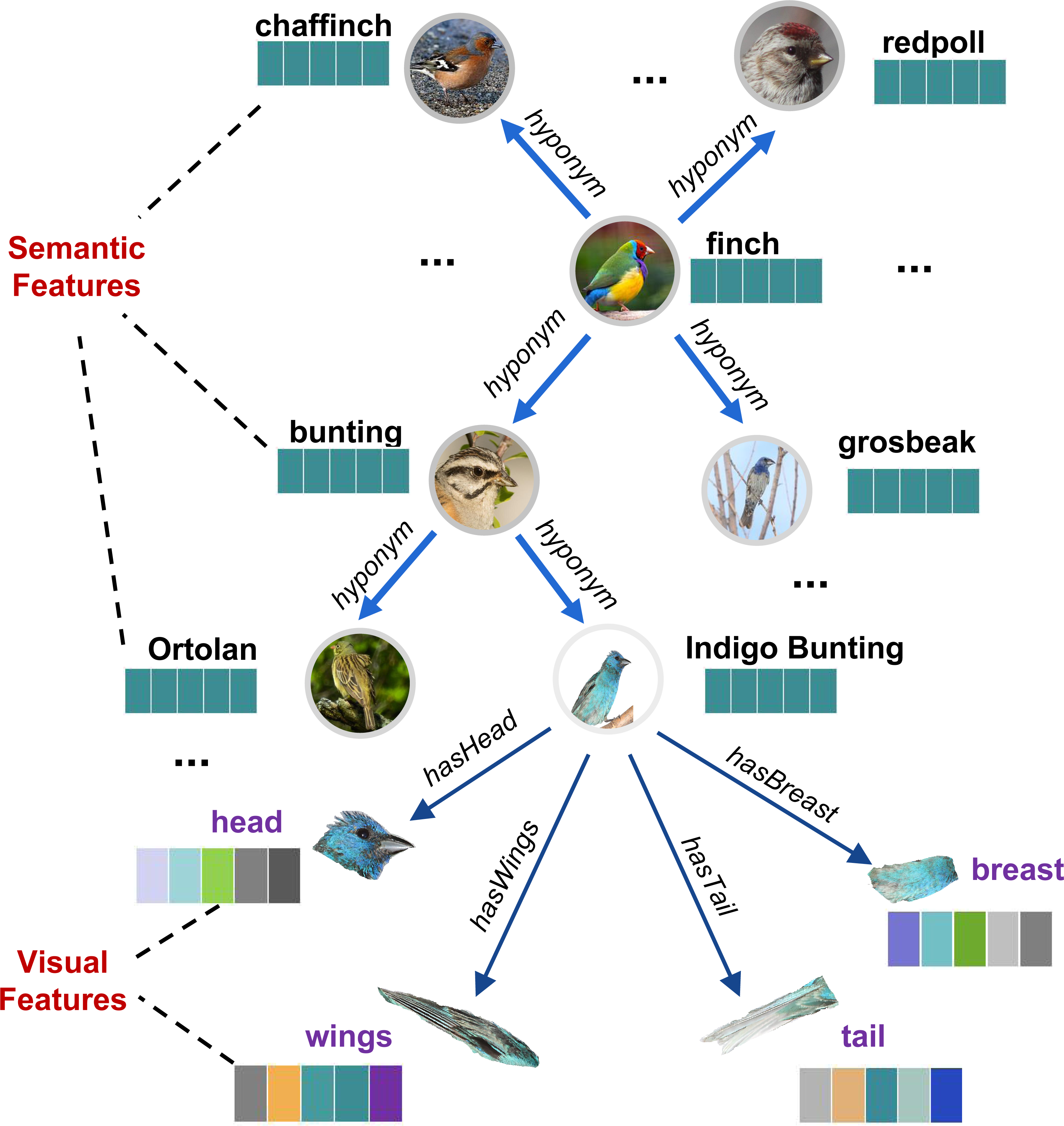
Collaboration features allow teams to share workspaces, annotate collectively, and build knowledge graphs. This turns individual reading into a shared research asset rather than a private effort that disappears after publication.
How the Underlying Architecture Shapes Experience


Although implementation details are not fully public, Unriddle AI appears to rely on retrieval augmented generation. Documents are embedded into vector representations, stored, and retrieved contextually when questions are asked. A language model then generates answers grounded in retrieved passages.
This architecture matters because it constrains hallucination. The model does not answer from general training alone. It answers from the uploaded corpus. In my experience, this design produces more reliable outputs, especially for technical or regulatory material.
The system also benefits from modularity. Retrieval, generation, and interface layers can evolve independently. That flexibility explains why model upgrades and new features appear without disrupting existing workflows.
Writing and Synthesis as First-Class Features
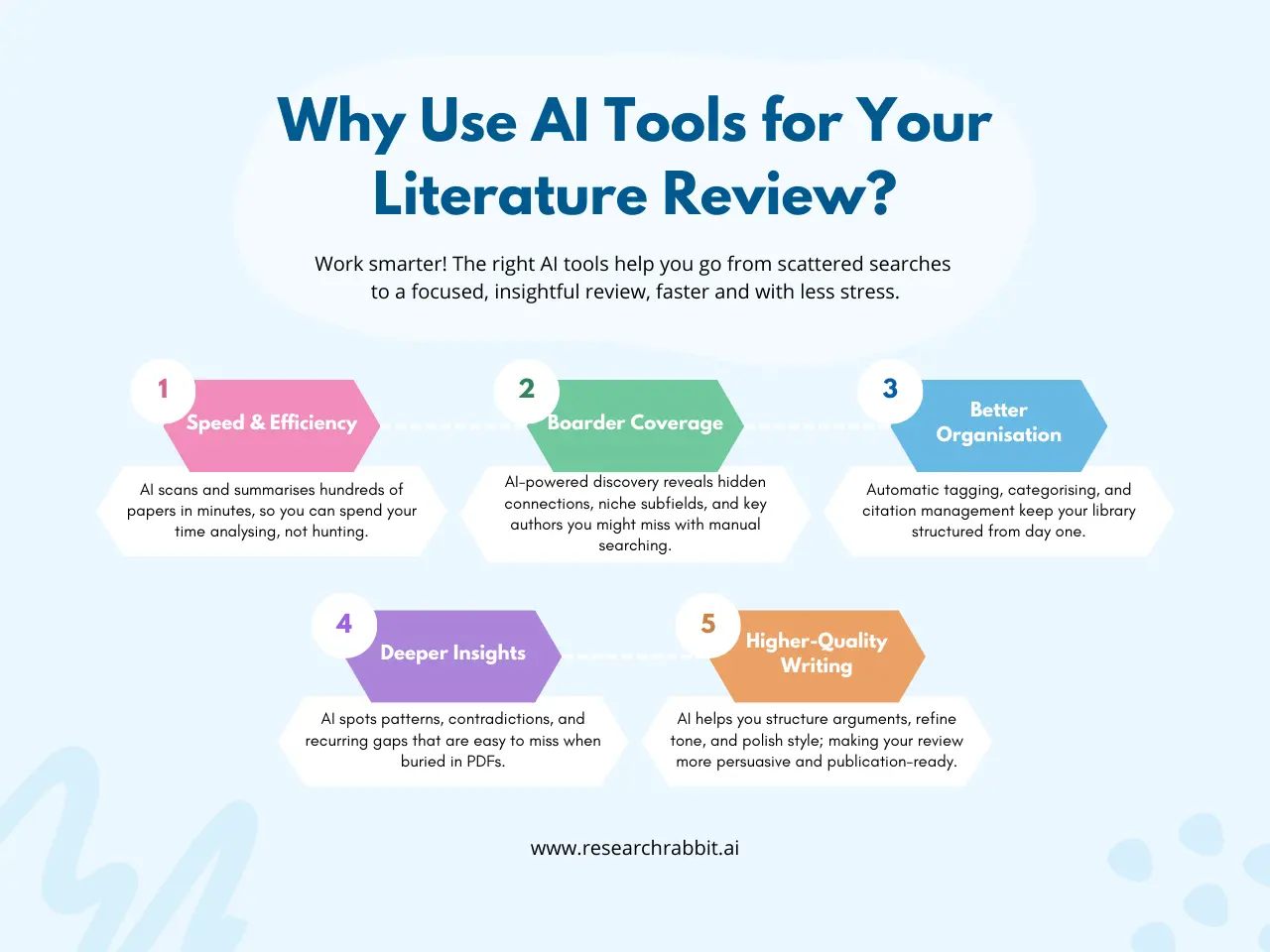

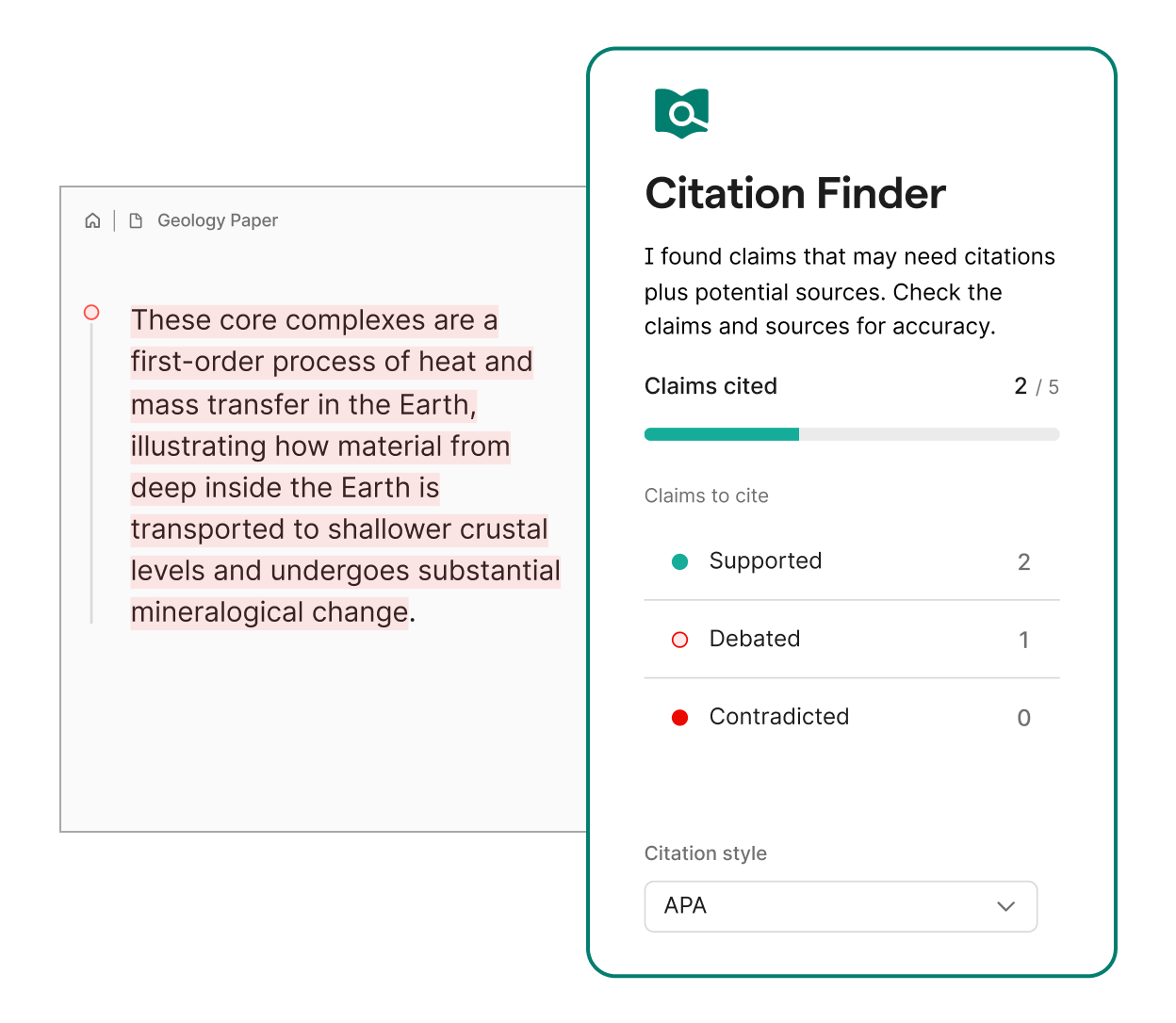
Many AI tools treat writing as an afterthought. Unriddle AI treats it as integral. Users can move seamlessly from reading to drafting, pulling cited insights directly into text. This matters for literature reviews, grant proposals, and compliance documentation.
I have observed that synthesis is where most time is lost. Reading is slow, but integrating ideas across sources is slower. By surfacing thematic connections and enabling citation-aware writing, the platform reduces this bottleneck.
This approach does not remove intellectual judgment. It removes mechanical overhead. Researchers still decide what matters. The system simply makes evidence easier to marshal.
Collaboration and Shared Research Memory

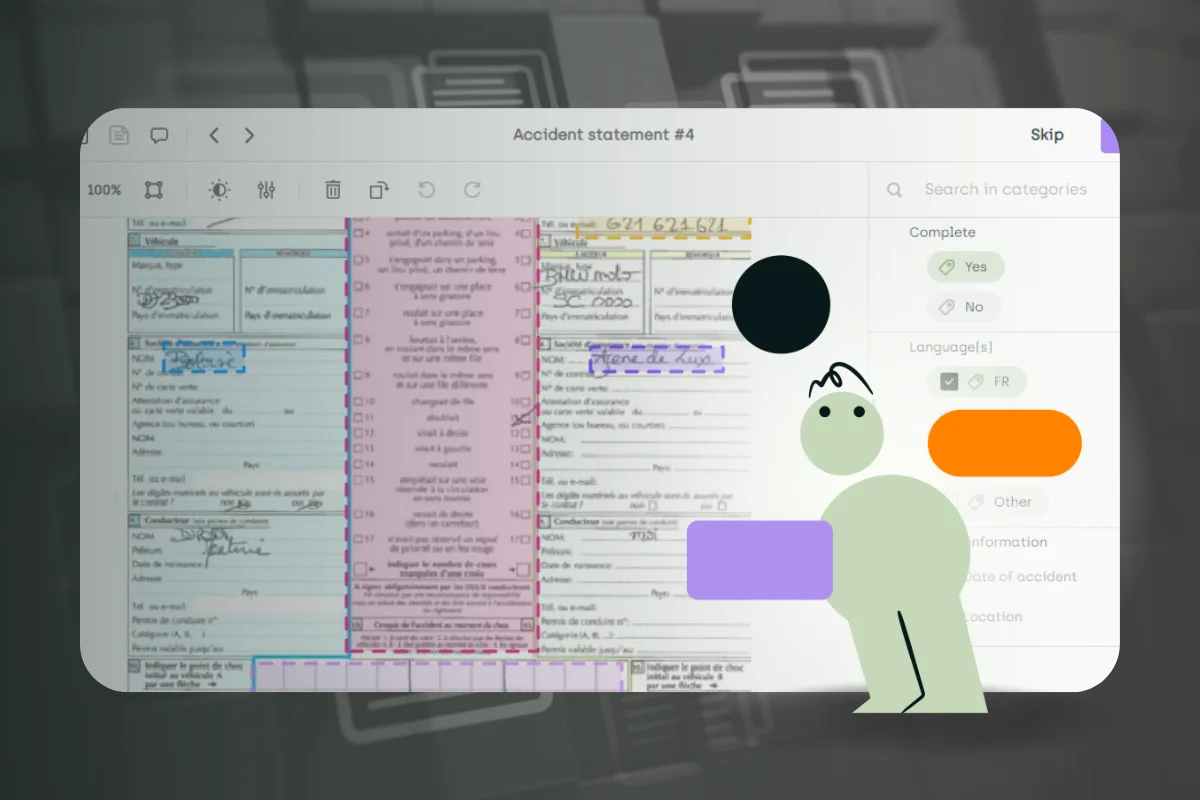
Research increasingly happens in teams. Yet tools often assume solo use. Unriddle AI addresses this gap through shared workspaces and real-time collaboration. Teams can comment, highlight, and build collective understanding.
From my perspective, this changes accountability. When insights live in a shared environment, assumptions are visible and contestable. That transparency improves research quality. It also shortens onboarding for new team members who can explore an existing knowledge base rather than starting from scratch.
The knowledge graph concept hints at future directions where insights connect across projects, creating institutional memory rather than isolated outputs.
Enterprise and Compliance Use Cases

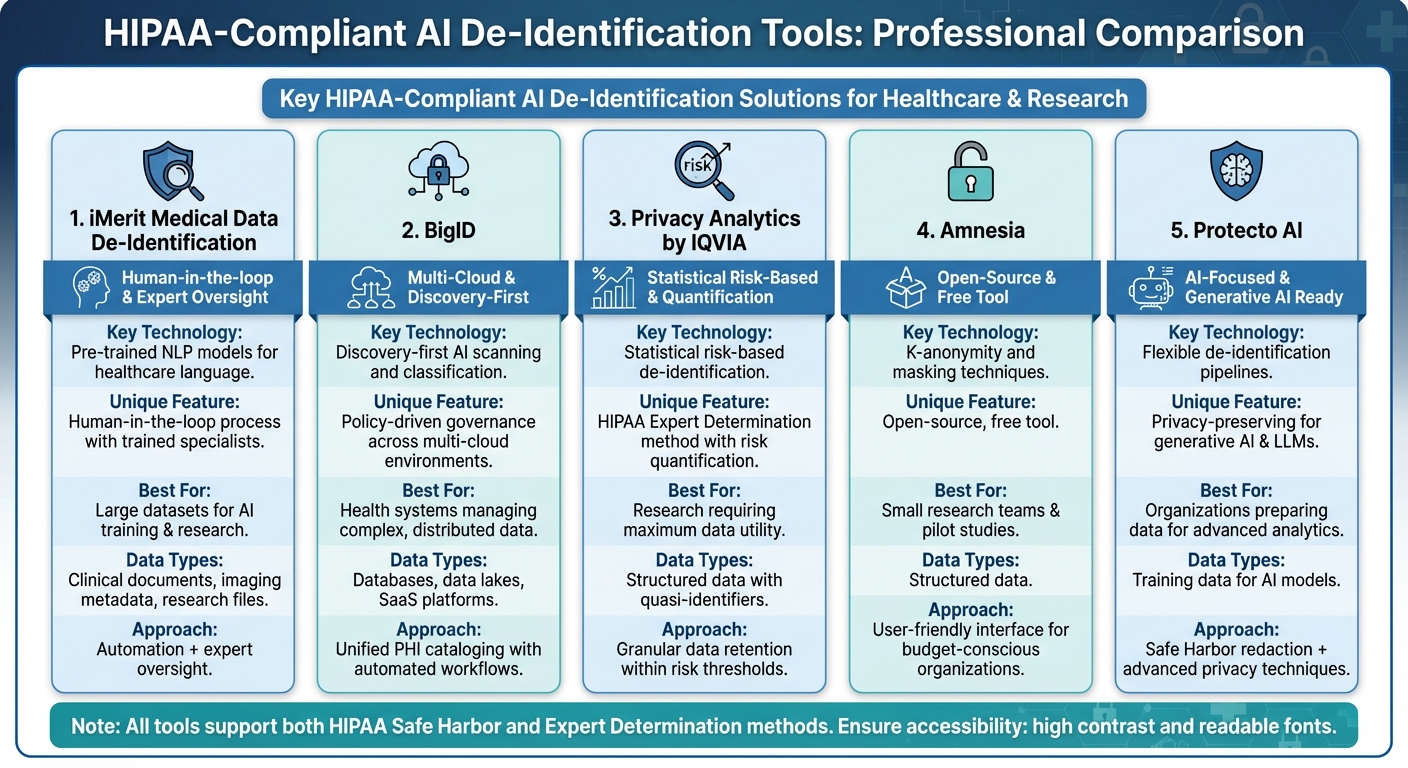
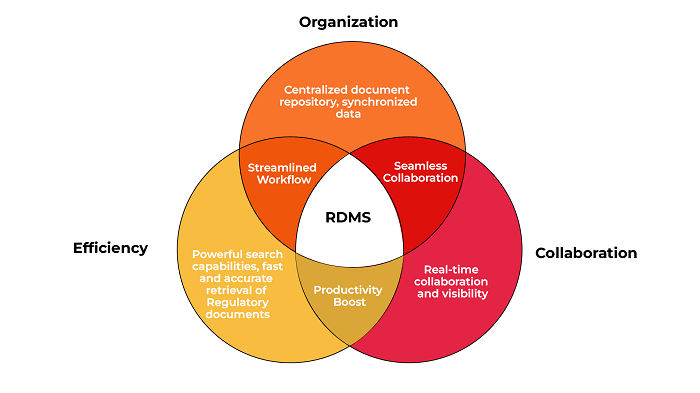
Beyond academia, Unriddle AI targets enterprise research and compliance. Features like HIPAA compliance, single sign on, and multilingual support enable regulated organizations to adopt the platform safely.
I see strong alignment with healthcare research, financial compliance, and security governance. Dense frameworks such as risk management standards become navigable when AI extracts structure and relationships.
This is where document AI moves from convenience to necessity. As regulatory complexity grows, manual interpretation becomes unsustainable. Tools that compress understanding without sacrificing traceability gain strategic importance.
Rebranding to Anara AI and Market Positioning


Unriddle AI has rebranded to Anara AI, signaling broader ambition beyond a single use case. Rebranding often reflects maturation, not pivot. In this case, the core value proposition remains research acceleration.
Pricing tiers reflect a freemium strategy that lowers entry barriers while monetizing heavy use. The Pro and Team plans target serious researchers and groups rather than casual experimentation.
From a market standpoint, this positions the platform between general AI chat tools and specialized enterprise software. That middle ground is increasingly crowded, making differentiation through trust and usability essential.
Comparative View of Research Tools
| Dimension | Traditional Tools | AI Research Assistants |
|---|---|---|
| Reading speed | Manual | AI accelerated |
| Synthesis | Human only | Human guided by AI |
| Citations | Manual tracking | Automated linking |
| Collaboration | Fragmented | Integrated workspace |
This comparison highlights why adoption accelerates once teams experience the workflow shift firsthand.
Limitations and Responsible Use
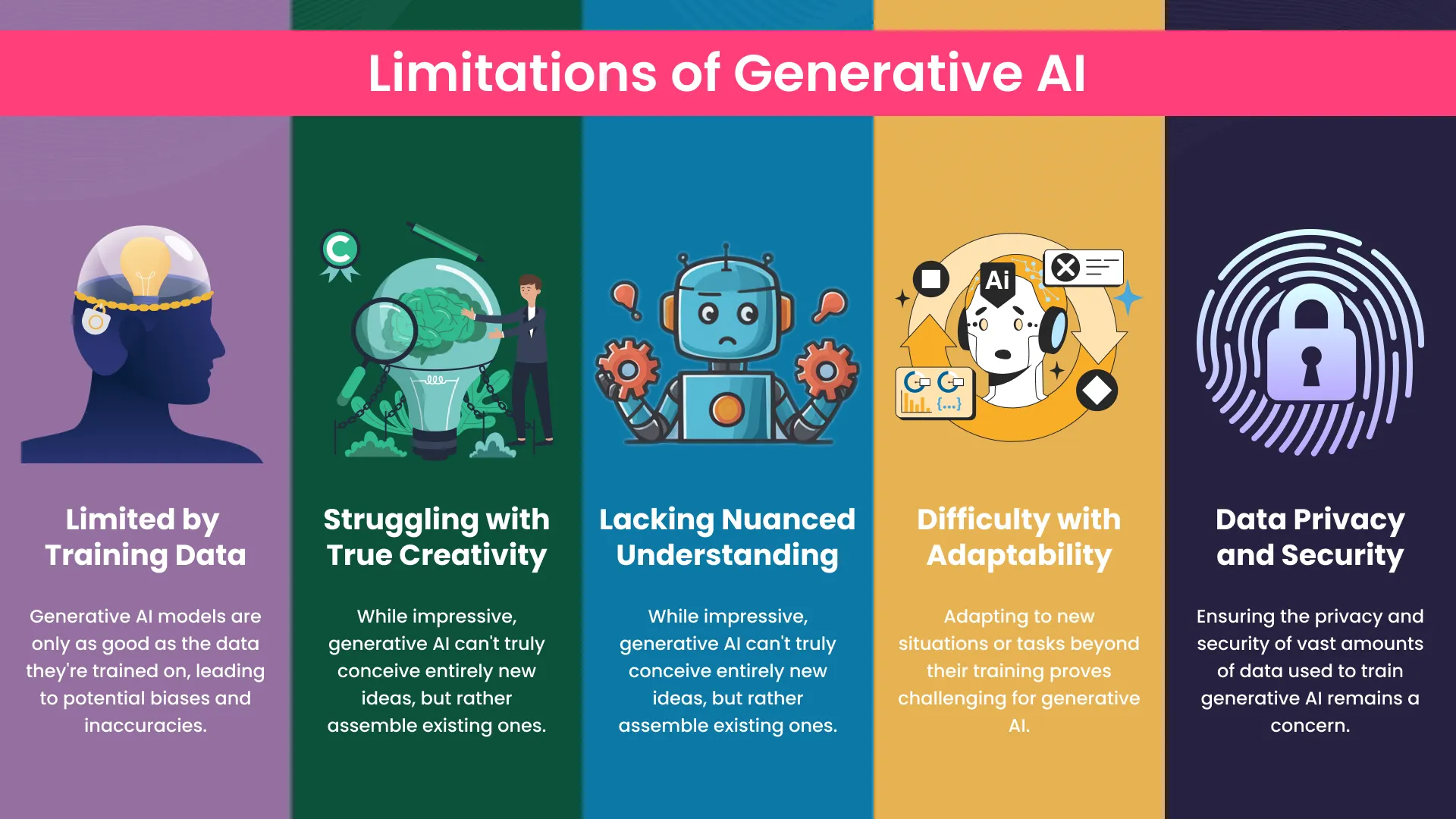
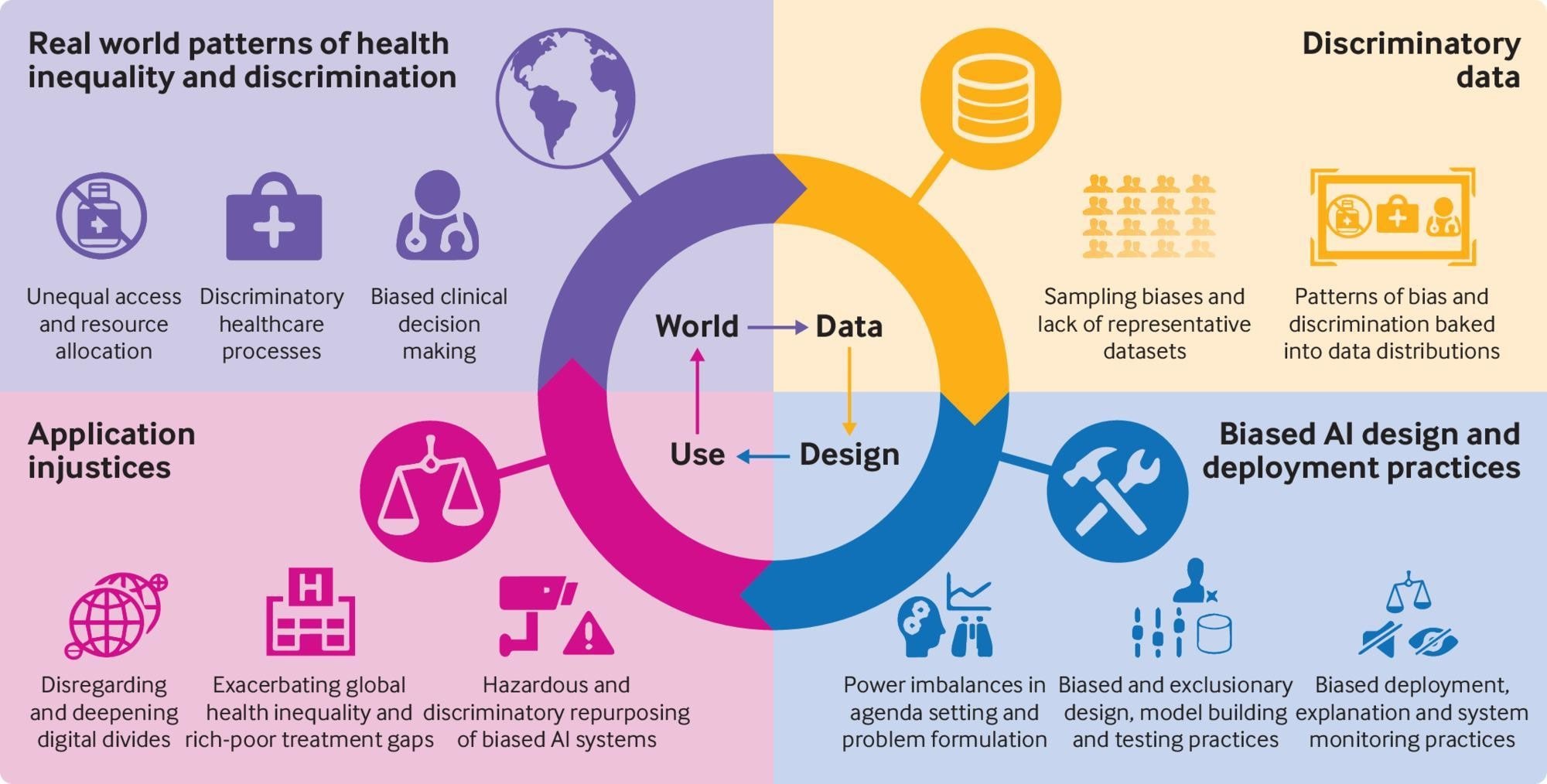

Despite benefits, limitations remain. AI summaries can emphasize dominant themes while underrepresenting nuance. Poorly scanned documents degrade performance. Users may overtrust outputs if they skip verification.
I believe responsible use depends on framing. These systems assist research. They do not validate truth. Critical thinking remains essential. Platforms that encourage citation checking and transparency reduce misuse risk.
Understanding limitations strengthens rather than weakens the case for adoption.
Takeaways
- Document-centric AI reduces research friction
- Citation transparency builds trust in AI outputs
- Writing and synthesis benefit most from assistance
- Collaboration transforms individual reading into shared assets
- Enterprise compliance is a major growth vector
- Human judgment remains central
Conclusion
I view Unriddle AI, now Anara AI, as part of a deeper shift in how knowledge work is structured. As information volume grows, the competitive advantage moves from access to comprehension. Tools that compress understanding without erasing accountability become indispensable.
This is not about outsourcing thinking. It is about reclaiming time for higher-order analysis. When reading, synthesis, and collaboration happen inside one environment, research becomes more deliberate and less fragmented. The long-term implication is a research culture that values clarity over accumulation and insight over endurance.
Read: ThotChat AI and the Rise of Personalized Conversational Platforms
FAQs
What is Unriddle AI used for?
It assists with document analysis, research synthesis, and citation-aware writing.
Is Unriddle AI suitable for teams?
Yes, shared workspaces and collaboration features support group research.
How does it avoid hallucinations?
Answers are grounded in uploaded documents with clickable citations.
Is it compliant for sensitive research?
Enterprise features support regulated environments like healthcare.
Does AI replace researchers?
No, it augments human analysis rather than replacing judgment.
References
- Karpukhin, V., et al. (2020). Dense passage retrieval for open-domain question answering. EMNLP.
- Lewis, P., et al. (2020). Retrieval-augmented generation for knowledge-intensive NLP tasks. NeurIPS.
- National Academies of Sciences. (2022). Reproducibility and research integrity.
- World Economic Forum. (2023). AI and the future of knowledge work.