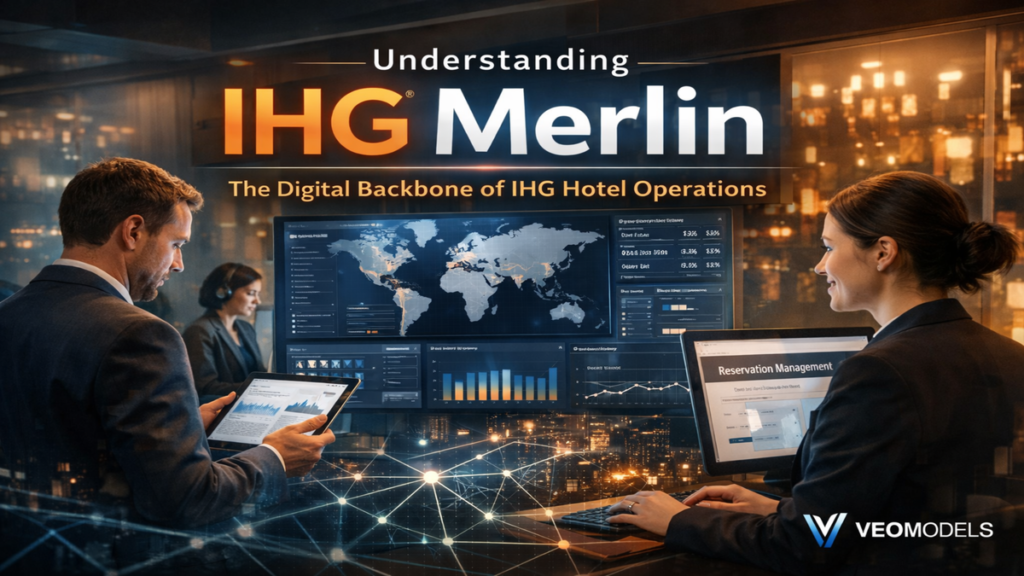

When examining how global hotel companies manage thousands of employees and properties, one platform repeatedly appears at the center of internal operations: IHG Merlin. This system serves as the primary employee portal used by staff across IHG Hotels & Resorts, giving workers access to training materials, operational dashboards, internal communications, and performance management tools. In practical terms, it functions as the digital environment where employees interact with the company’s internal systems every day.
From my perspective analyzing technology adoption in industries such as hospitality and travel, platforms like this represent a major shift from fragmented internal software toward centralized operational ecosystems. Hotel employees previously relied on separate systems for reservations, housekeeping coordination, and training programs. By contrast, Merlin consolidates these functions into a unified platform accessible through a single Merlin ID login.
The system also supports integrated applications such as IHGmer for workflow management, Me2 for collaboration, and My Learning, which provides training resources and certification programs for employees. Beyond simple staff management, the platform now incorporates data analytics and AI-driven tools that help hotels forecast room demand, optimize staffing levels, and improve operational efficiency.
Understanding how Merlin works therefore offers insight not only into how IHG manages its global workforce but also into how digital platforms are transforming the hospitality industry. As hotels increasingly adopt predictive analytics and smart infrastructure, centralized systems like Merlin are becoming essential to daily operations and long-term strategic planning.
The Operational Role of Merlin in Global Hospitality
Large hotel brands operate complex networks of employees, physical properties, reservation systems, and service standards. For IHG, which manages or franchises thousands of hotels across more than one hundred countries, coordinating this network requires a highly structured internal digital infrastructure. Merlin was designed to fill that role by acting as the central operational hub for employees.
In practical terms, the platform provides staff with immediate access to operational information that affects day-to-day hotel activities. Front desk employees can review reservation updates, housekeeping teams can monitor room status and service requests, and managers can access performance dashboards that summarize occupancy levels and service metrics. Instead of navigating several disconnected systems, employees work through a single digital environment that links operational tools together.
From an industry perspective, centralized employee platforms are increasingly common among global hospitality brands. Operational efficiency depends on real-time information sharing between departments, and platforms like Merlin make that coordination possible. The system also ensures that staff members across different countries operate according to consistent procedures, which is critical for maintaining brand standards in an international hotel network.
Read: MacBook Fund: Expanding Access to Apple Technology Through Education and Nonprofit Grants
Key Systems Integrated Within the Merlin Platform
One of the defining characteristics of Merlin is its integration of multiple internal applications. Rather than functioning as a single tool, the platform serves as the entry point for a broader ecosystem of digital services used by hotel employees.
Among the most important systems is IHGmer, which focuses on operational workflow management. Through this tool, hotel managers and supervisors can monitor daily operations, review service metrics, and coordinate tasks across departments such as housekeeping, maintenance, and front desk operations. By providing a centralized dashboard, the system helps managers respond quickly to operational challenges.
Another important component is Me2, the internal communication platform used by employees across IHG’s global network. Me2 functions as a corporate collaboration space where staff members share announcements, policy updates, and internal discussions. This communication layer plays a critical role in maintaining alignment across geographically distributed teams.
The third major system is My Learning, which supports employee training and professional development. Through this platform, workers complete required training modules, certification courses, and brand-specific learning programs. These resources help ensure that employees understand company standards, operational procedures, and service expectations.
Together, these tools transform Merlin into a comprehensive operational ecosystem rather than a simple employee login portal.
Employee Registration and Merlin ID Access
Access to Merlin requires a structured registration process that ensures only authorized employees can enter the system. Unlike public web platforms, Merlin accounts are created through internal approval processes rather than open self-registration.
In most managed hotel properties, the process begins when a general manager or HR representative initiates an invitation for a new employee. The staff member receives an email containing a network ID invitation, a temporary password, and an invite code. This information allows the employee to complete the registration process through the official internal portal.
Hotels that operate under franchise agreements often follow a slightly different procedure. In these cases, the hotel’s management team typically coordinates with IHG operational support to generate an invitation for the employee. Once approved, the worker receives the necessary credentials to activate their Merlin account.
After completing registration, the employee receives a Merlin ID, which acts as the primary authentication credential across all connected systems. This single identity allows employees to access training platforms, operational dashboards, communication tools, and other internal resources without managing separate logins.
The centralized identity structure helps simplify access while maintaining security across the company’s internal digital infrastructure.
Linking the Portal With IHG Employee Benefits
Beyond operational tools, Merlin also provides access to certain employee benefits. One of the most notable examples involves the ability to connect an employee profile with the IHG Rewards Club program.
Once logged into the portal, employees can update their profile settings and enter their loyalty program details. This connection enables staff members to access discounted hotel stays and other travel benefits offered through the employee rate program.
From a hospitality management perspective, these benefits serve both practical and strategic purposes. Employees who experience IHG properties as guests gain firsthand knowledge of the guest experience, which can influence how they perform their roles when working at the hotel.
Training professionals within the hospitality industry frequently emphasize the importance of experiential learning. When employees stay in properties operated by their own company, they can observe service standards, room features, and operational details from a guest’s perspective. This feedback loop helps reinforce service quality across the brand’s global portfolio.
Merlin therefore functions not only as a work platform but also as a gateway connecting employees to broader organizational resources.
AI Integration in Modern Hotel Operations
Over the past decade, artificial intelligence has begun to influence many aspects of hospitality management. Platforms connected to Merlin now incorporate analytics tools capable of processing large volumes of operational data generated by hotel reservations, seasonal travel patterns, and historical demand trends.
These systems analyze past booking data alongside regional tourism patterns to forecast future occupancy levels. The resulting predictions help hotel managers anticipate busy periods and adjust staffing schedules accordingly. Accurate forecasting can reduce operational stress during peak travel seasons and improve the overall efficiency of hotel operations.
AI-driven insights can also help management teams make strategic decisions regarding pricing and room inventory allocation. When demand forecasts indicate a surge in reservations, hotels may adjust pricing strategies or allocate additional staff resources to maintain service standards.
From my perspective analyzing industry adoption patterns, predictive analytics represents one of the most practical uses of AI within hospitality. Rather than replacing employees, these systems provide decision-support tools that help managers plan more effectively.
As AI technologies continue to evolve, the integration of predictive analytics into centralized platforms like Merlin will likely become even more common.
Predictive Occupancy and Smart Room Management
Another emerging feature connected to modern hotel technology is predictive room management. By combining analytics with IoT-enabled room systems, hotels can create environments that automatically adapt to guest needs and operational conditions.
Predictive occupancy models analyze historical booking data to estimate future room demand. These forecasts allow hotel management to allocate housekeeping staff more efficiently and ensure that rooms are prepared before guests arrive. Some systems also monitor real-time occupancy patterns within the hotel to identify service bottlenecks or maintenance needs.
IoT technology adds another layer of functionality by connecting room devices such as thermostats, lighting systems, and entertainment controls. These devices can automatically adjust settings based on guest preferences or environmental conditions.
For example, a room may automatically set temperature levels based on occupancy predictions or adjust lighting to match guest preferences recorded during previous stays. These personalized experiences can improve guest satisfaction while simultaneously reducing energy consumption.
Platforms like Merlin provide the operational interface through which staff monitor and interact with these intelligent room systems.
Security and Digital Identity Management
Because Merlin connects multiple operational systems, security plays a crucial role in its design. Hotel organizations handle sensitive information related to guests, financial transactions, and employee data. Protecting this information requires strong identity management and authentication controls.
The Merlin ID system addresses this challenge by centralizing authentication for all connected applications. Employees log into the platform using their Merlin credentials, and the system determines which tools they can access based on their role within the organization.
For example, a front desk employee may have access to reservation management tools, while a manager may be able to review performance analytics and financial reports. This role-based access structure ensures that employees can reach the resources they need without exposing sensitive data unnecessarily.
Modern security frameworks also include encrypted connections, password management systems, and multi-factor authentication protocols. These safeguards help reduce the risk of unauthorized access and protect the integrity of internal hotel systems.
Operational Challenges and User Experience
Although centralized platforms offer many advantages, they also introduce challenges related to usability and training. Employees who are unfamiliar with corporate software environments may initially find it difficult to navigate multiple integrated tools within a single system.
Training programs therefore play an important role in helping staff understand how to use the platform effectively. Many hotels incorporate Merlin training into onboarding processes to ensure that new employees can access operational resources and complete required learning modules.
Another challenge involves maintaining consistent technology infrastructure across franchised and corporate-managed properties. Internet connectivity, hardware availability, and local IT support can vary significantly between locations, which may influence how effectively the platform functions in different environments.
Despite these obstacles, centralized digital systems generally improve operational coordination over time. As organizations refine their software interfaces and incorporate feedback from employees, the platforms become more intuitive and easier to use.
The Future of Digital Hospitality Platforms
The evolution of platforms like Merlin reflects broader trends in the hospitality industry. Hotels are increasingly adopting digital technologies that combine operational management with advanced analytics, automation, and real-time communication.
Future developments may include deeper integration between AI systems and employee workflows. For example, predictive analytics tools could automatically suggest staffing adjustments or maintenance tasks based on real-time operational data. Voice-enabled assistants might also help employees access information quickly while performing service tasks.
Another potential development involves the integration of language translation tools that support communication between international staff members. As hotel workforces become more globally diverse, these features could help improve collaboration across departments.
From a strategic standpoint, centralized employee platforms will likely remain essential to hospitality operations. They provide the digital infrastructure needed to coordinate staff, manage resources, and implement emerging technologies across large hotel networks.
Key Takeaways
IHG Merlin serves as the primary digital platform used by employees across the global IHG hotel network. The system integrates operational tools, internal communication platforms, and employee training programs into a unified environment accessible through a single login.
The platform also connects with analytics tools and AI-driven systems that support predictive occupancy forecasting, staffing decisions, and energy optimization. Through these integrations, Merlin plays a growing role in helping hotels operate more efficiently.
Centralized identity management ensures secure access to internal systems while allowing employees to reach the resources they need quickly. Although onboarding and training challenges exist, the platform significantly improves coordination across departments and properties.
As hospitality organizations continue adopting data-driven technologies, platforms like Merlin are becoming foundational components of hotel operations and digital transformation strategies.
Conclusion
The hospitality industry has undergone significant digital transformation in recent years, and employee platforms now play a central role in coordinating hotel operations. Merlin exemplifies this shift by bringing together training systems, operational dashboards, communication tools, and analytics resources within a single digital environment.
For employees, the platform simplifies daily tasks by providing a centralized location where essential information and tools are readily accessible. Managers benefit from data-driven insights that help them anticipate demand, allocate resources, and maintain service standards.
At the same time, the integration of AI technologies and IoT systems demonstrates how hospitality platforms are evolving beyond simple administrative tools. They are becoming intelligent operational ecosystems capable of supporting complex decision-making and personalized guest experiences.
As hotels continue to adopt advanced technologies, centralized platforms like Merlin will likely remain critical to maintaining efficiency, consistency, and innovation across global hospitality networks.
FAQs
What is IHG Merlin?
IHG Merlin is the internal employee portal used by staff working for IHG Hotels & Resorts. It provides access to operational tools, training programs, and internal communication systems.
How do employees access Merlin?
Employees typically receive a Merlin ID through their manager or HR department, which provides login credentials and an invitation code for account registration.
What systems are connected to Merlin?
The platform integrates several internal tools including IHGmer for workflow management, Me2 for employee communication, and My Learning for staff training programs.
Does Merlin use artificial intelligence?
Yes. Some systems connected to the platform incorporate predictive analytics and AI-driven forecasting to help hotels anticipate occupancy levels and optimize operations.
Can employees access hotel discounts through the portal?
Employees can link their loyalty program accounts through the portal, allowing them to access special staff rates and travel benefits within the IHG hotel network.