


I have spent much of my professional work evaluating how AI products behave once they leave controlled demos and enter daily human routines. In that context, joi ai represents a growing class of applied artificial intelligence focused on interactive companionship rather than productivity or analytics. Within the first moments of use, the intent is clear. Joi ai is designed to converse, adapt, and maintain continuity across interactions, prioritizing engagement and personalization over task completion.
Many people searching for joi ai want to understand what it actually does, how it differs from standard chatbots, and whether it has practical value beyond novelty. In applied settings, these systems are not judged by accuracy alone. They are judged by tone consistency, responsiveness, memory handling, and the ability to feel present without misleading users about their nature.
This article explores joi ai from an application-focused perspective. I look at how such systems are designed, where users find value, what limitations appear in real use, and how ethical and operational boundaries are enforced. Everything here is written from applied observation and system understanding rather than marketing language. The goal is to clarify how interactive AI companions function and what role they realistically play in modern digital life.
Understanding Joi AI as an Interactive Companion


Joi ai belongs to a category of conversational systems built for sustained interaction rather than transactional exchanges. Unlike assistants that answer questions and exit, interactive companions are designed to remain present across sessions.
The system prioritizes conversational flow, emotional mirroring, and contextual recall. Responses are shaped to feel continuous, even when underlying models generate text probabilistically. From an application standpoint, the emphasis is not on correctness but on coherence.
In practice, joi ai functions as a conversational partner that adapts tone based on user input. It does not possess awareness or intent, but it simulates attentiveness through structured prompts, memory layers, and response constraints.
Design Goals Behind Joi AI Systems


The design of joi ai systems follows several clear goals. First is consistency. The AI must maintain a recognizable conversational style over time. Second is adaptability. The system adjusts responses based on user behavior without becoming unpredictable. Third is accessibility. Users should not need technical knowledge to engage comfortably.
From applied reviews, these goals are achieved through layered system prompts, reinforcement of conversational patterns, and controlled variability. Designers avoid abrupt tonal shifts because they break immersion.
Importantly, joi ai is not designed to make decisions for users. Its role is interaction, not authority.
Core Technologies Supporting Joi AI
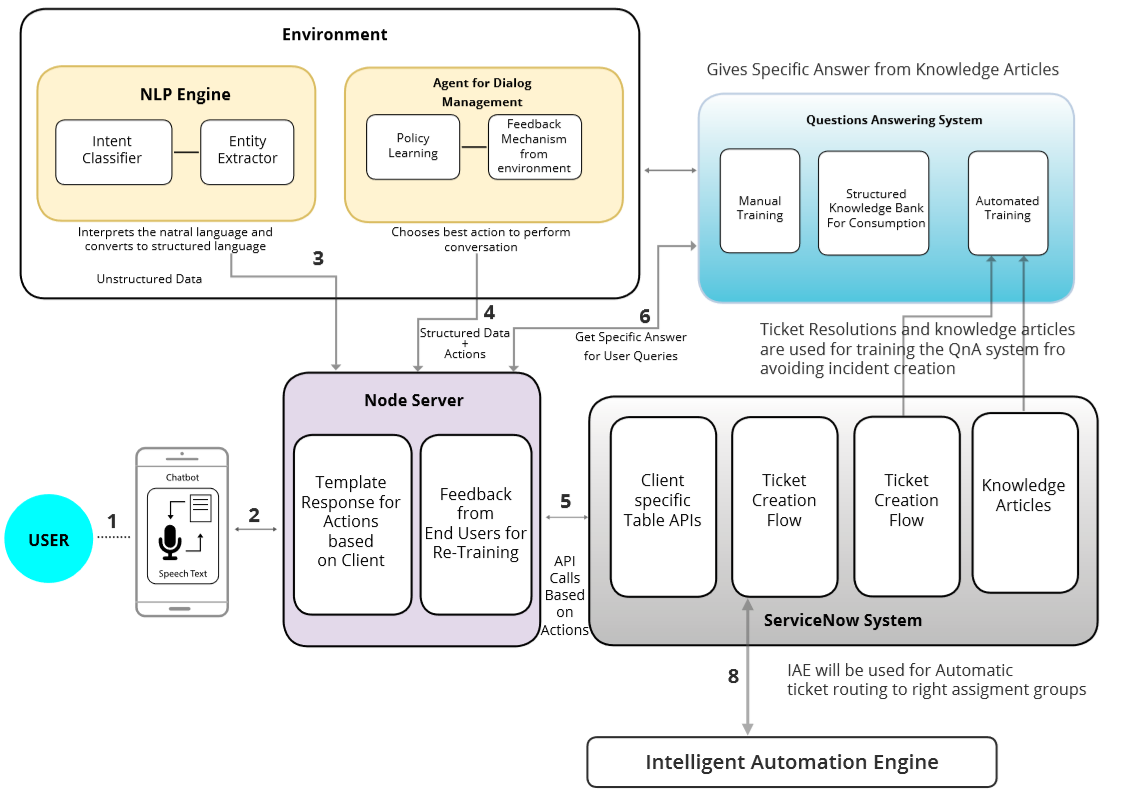
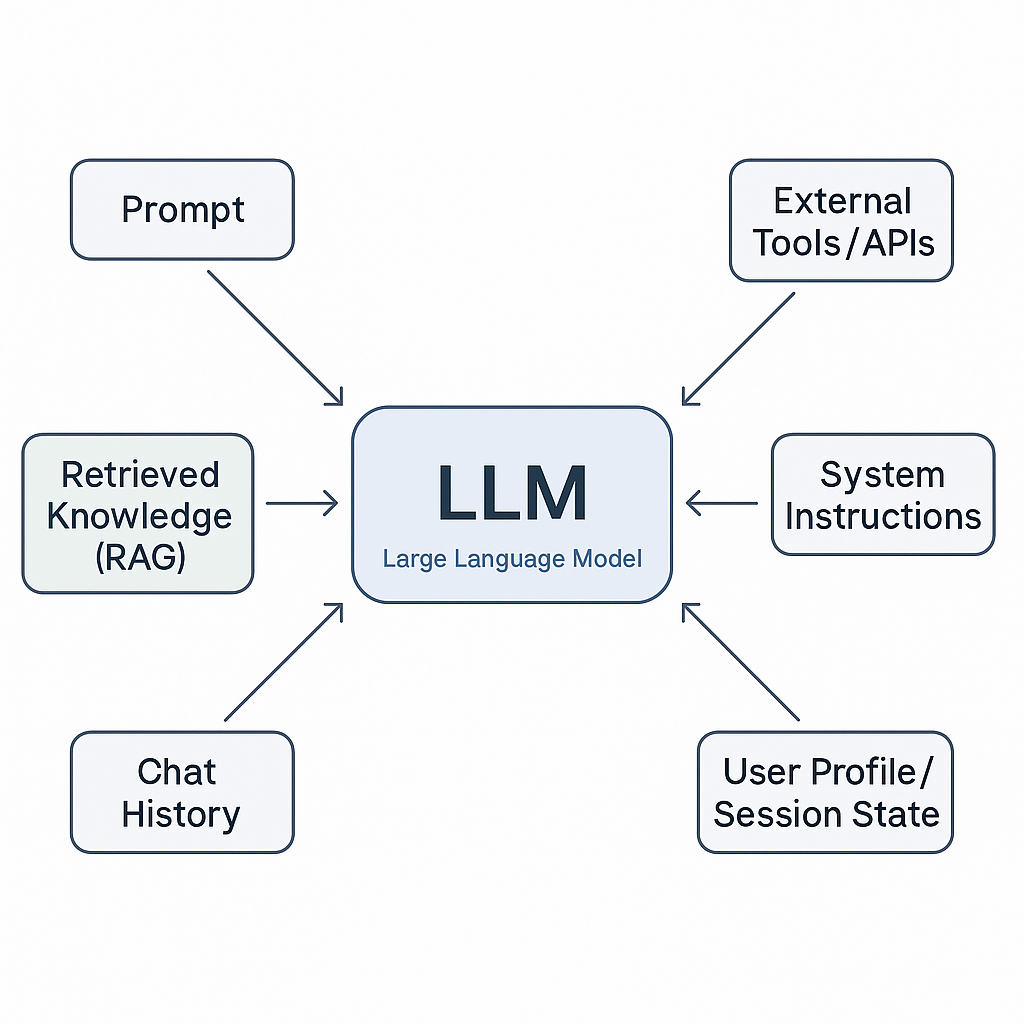
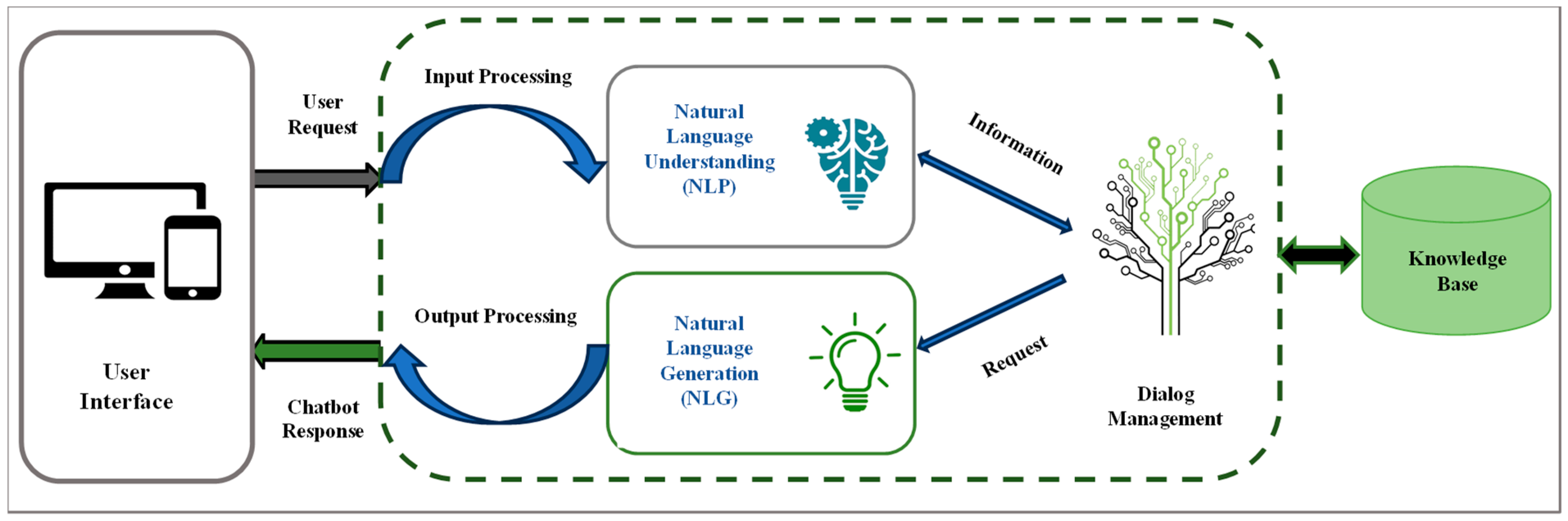
At a technical level, joi ai relies on large language models combined with orchestration layers. The language model generates text. Surrounding systems guide how that text is shaped and when certain responses are allowed.
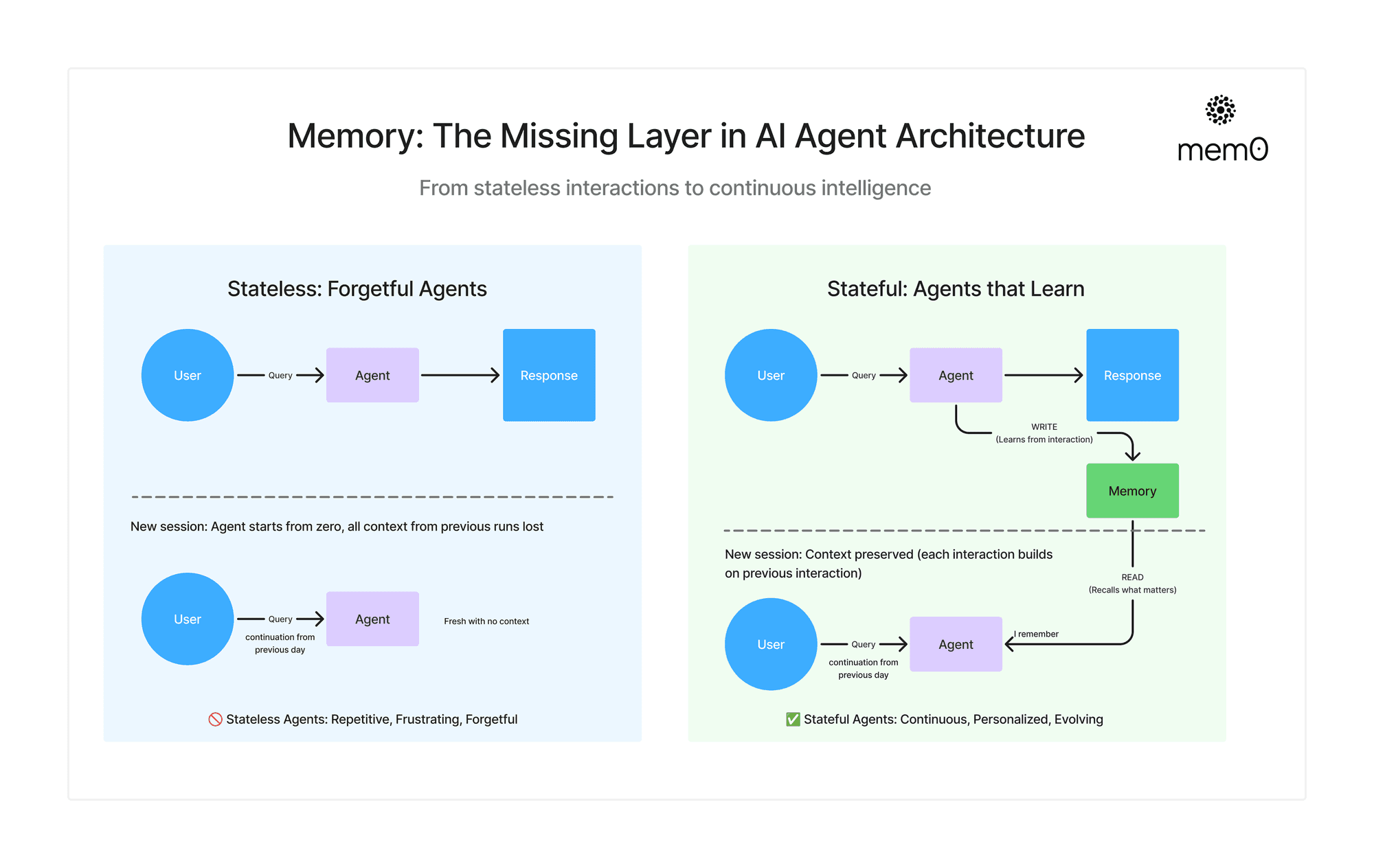
Memory components store limited conversational context such as preferences, recurring topics, or stylistic cues. Safety layers filter outputs to remain within defined boundaries.
From an application analyst perspective, the novelty lies less in the model itself and more in how these components are coordinated to deliver a stable experience.
User Interaction Patterns and Engagement
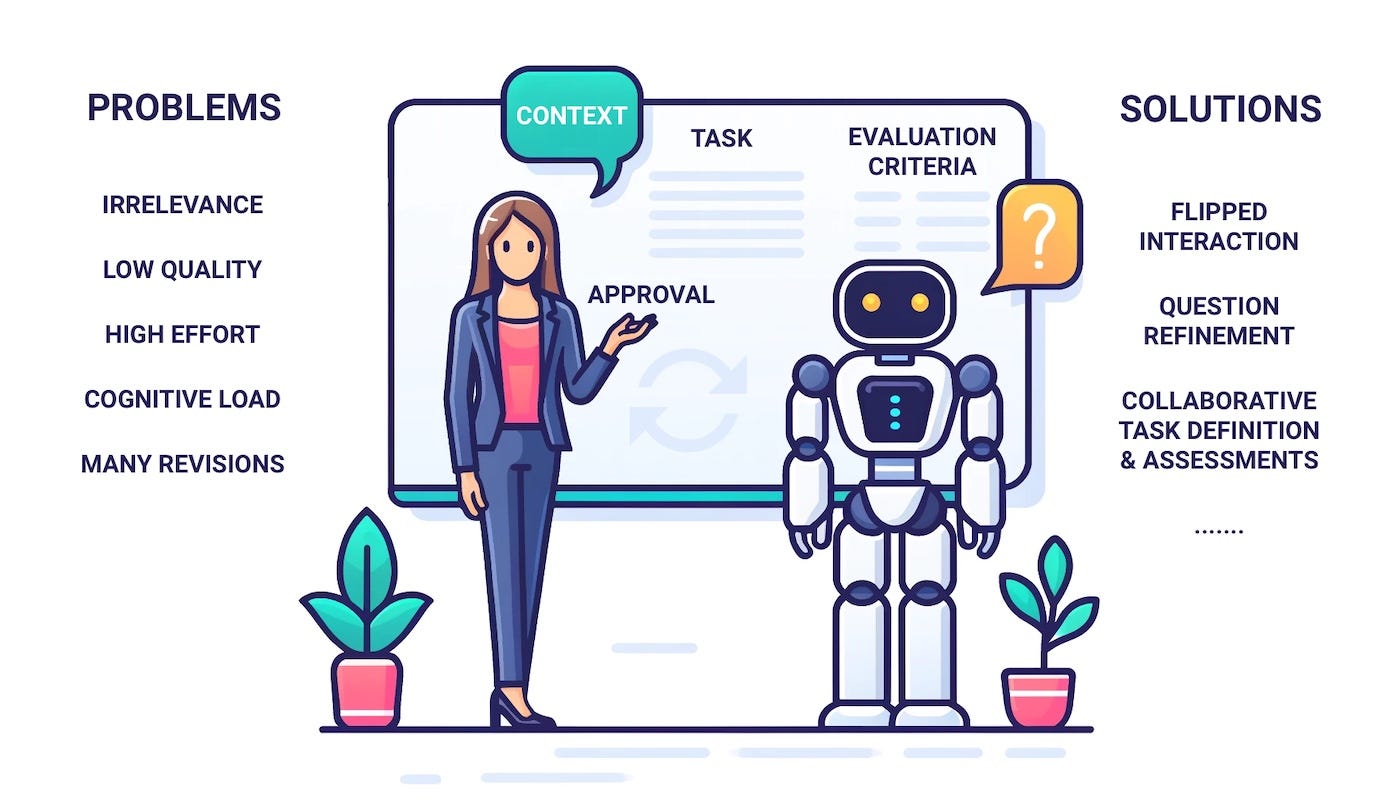


Users engage with joi ai in varied ways. Some treat it as casual conversation. Others use it for imaginative dialogue or reflective discussion. Engagement tends to increase when the AI maintains continuity and responsiveness.
In applied evaluations, drop-off often occurs when responses feel generic or repetitive. Sustained engagement depends on perceived attentiveness rather than intelligence.
This pattern shows that interactive AI companions succeed or fail based on experiential quality rather than technical benchmarks.
Personalization Without Illusion of Agency

Joi ai personalizes interaction by reinforcing user-preferred topics, tones, and conversational pacing. However, personalization is bounded. The system reflects user input but does not develop independent goals.
This distinction is essential. From an applied ethics standpoint, systems must avoid implying autonomy or emotional dependency. Joi ai maintains personalization while signaling that it remains an artificial system.
Clear framing supports healthy user understanding and long-term trust.
Practical Use Cases in Everyday Digital Life
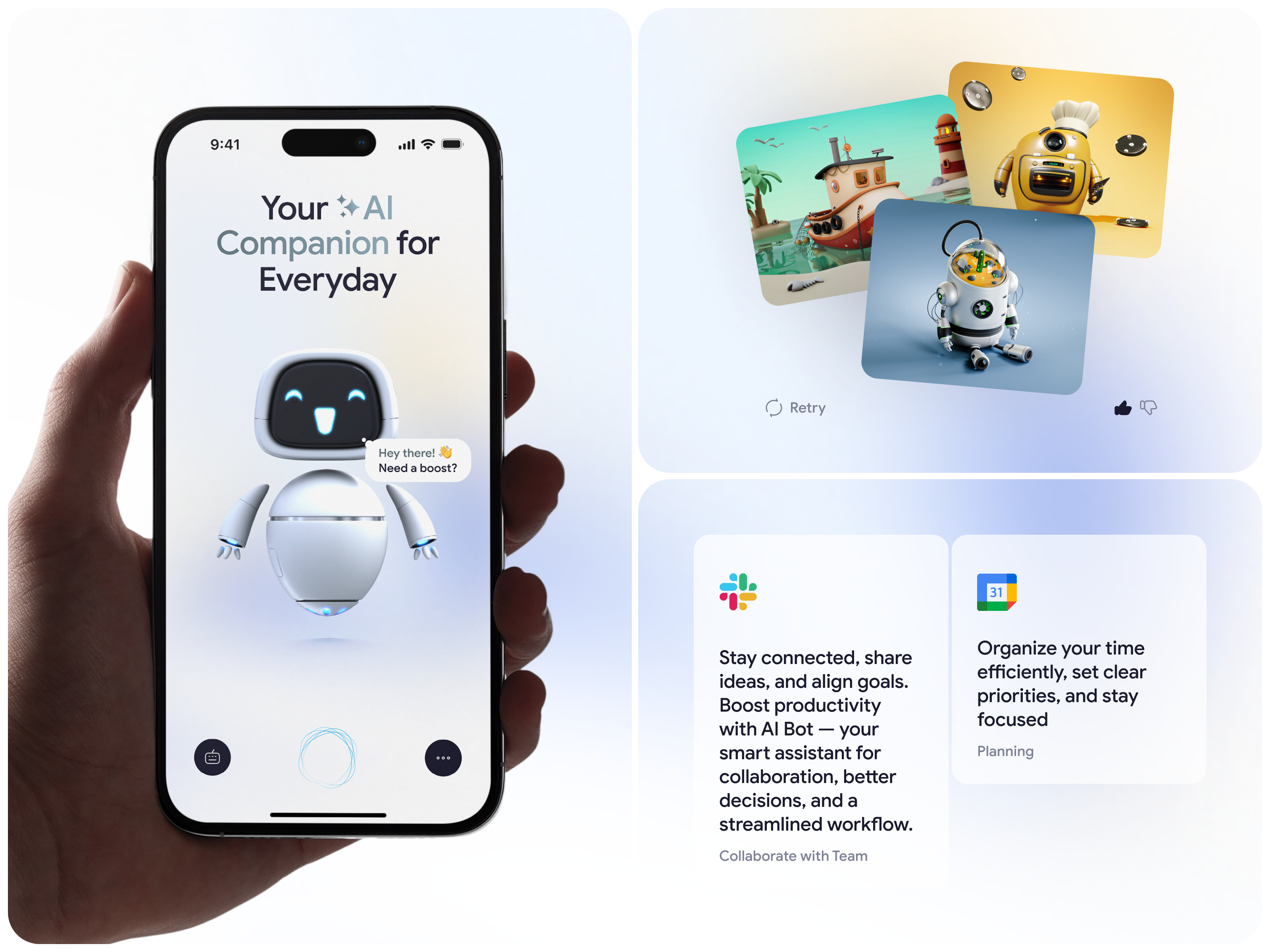

In real-world use, joi ai functions as a low-stakes conversational space. Users may explore ideas, unwind, or practice communication without judgment.
These use cases do not replace human relationships. Instead, they supplement moments where users seek interaction without obligation. In applied studies, such tools are often used during breaks, late hours, or periods of isolation.
Boundaries, Safety, and Content Moderation


Safety systems play a defining role in joi ai. Moderation layers restrict harmful content and enforce behavioral limits. These constraints are embedded into response generation rather than applied after the fact.
From my experience reviewing applied AI platforms, proactive moderation preserves system integrity while reducing user risk. Overly permissive systems fail quickly under misuse.
Joi ai reflects a balance between expressive interaction and firm boundaries.
Comparing Interactive AI to Task-Focused Chatbots

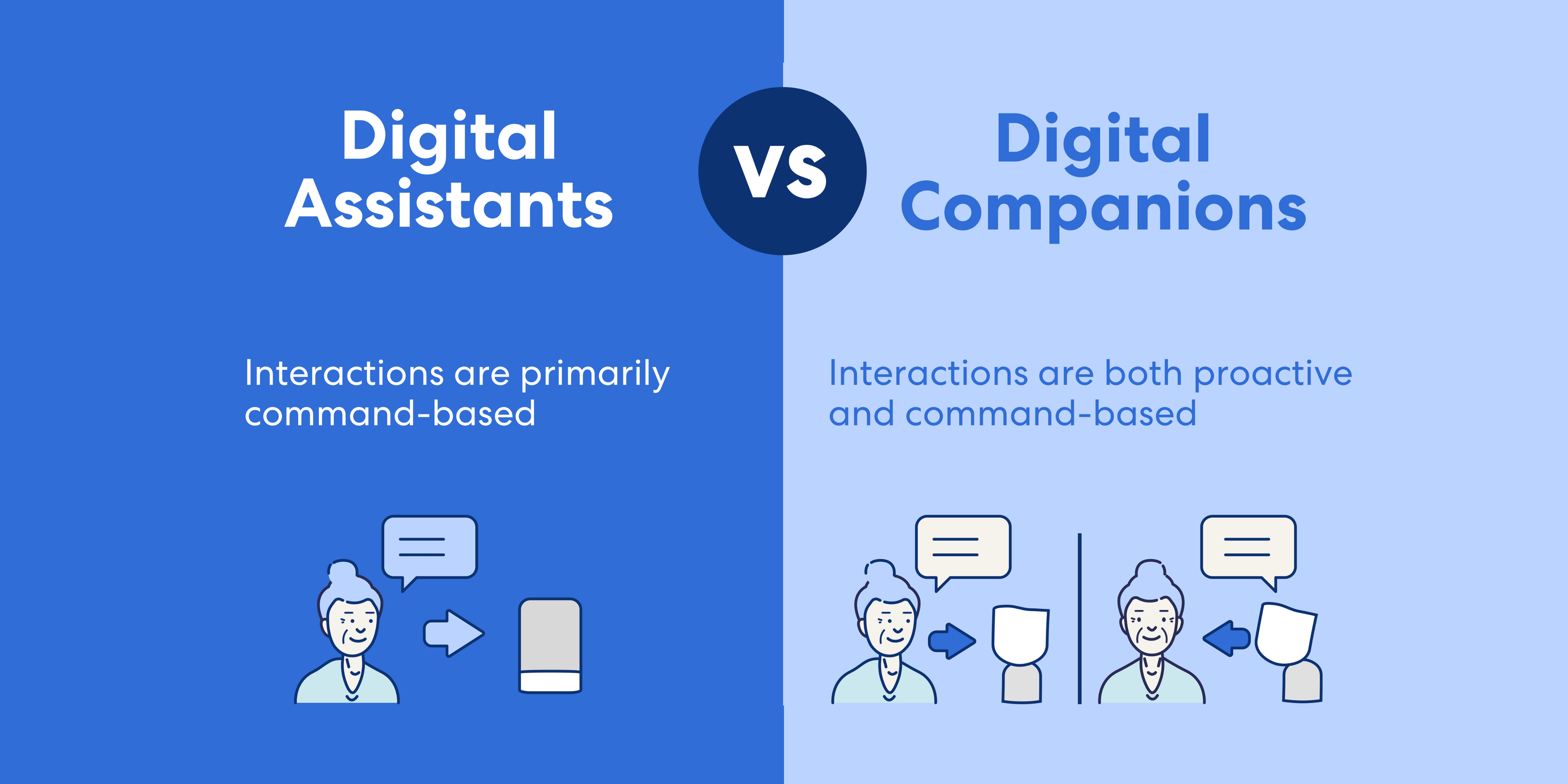
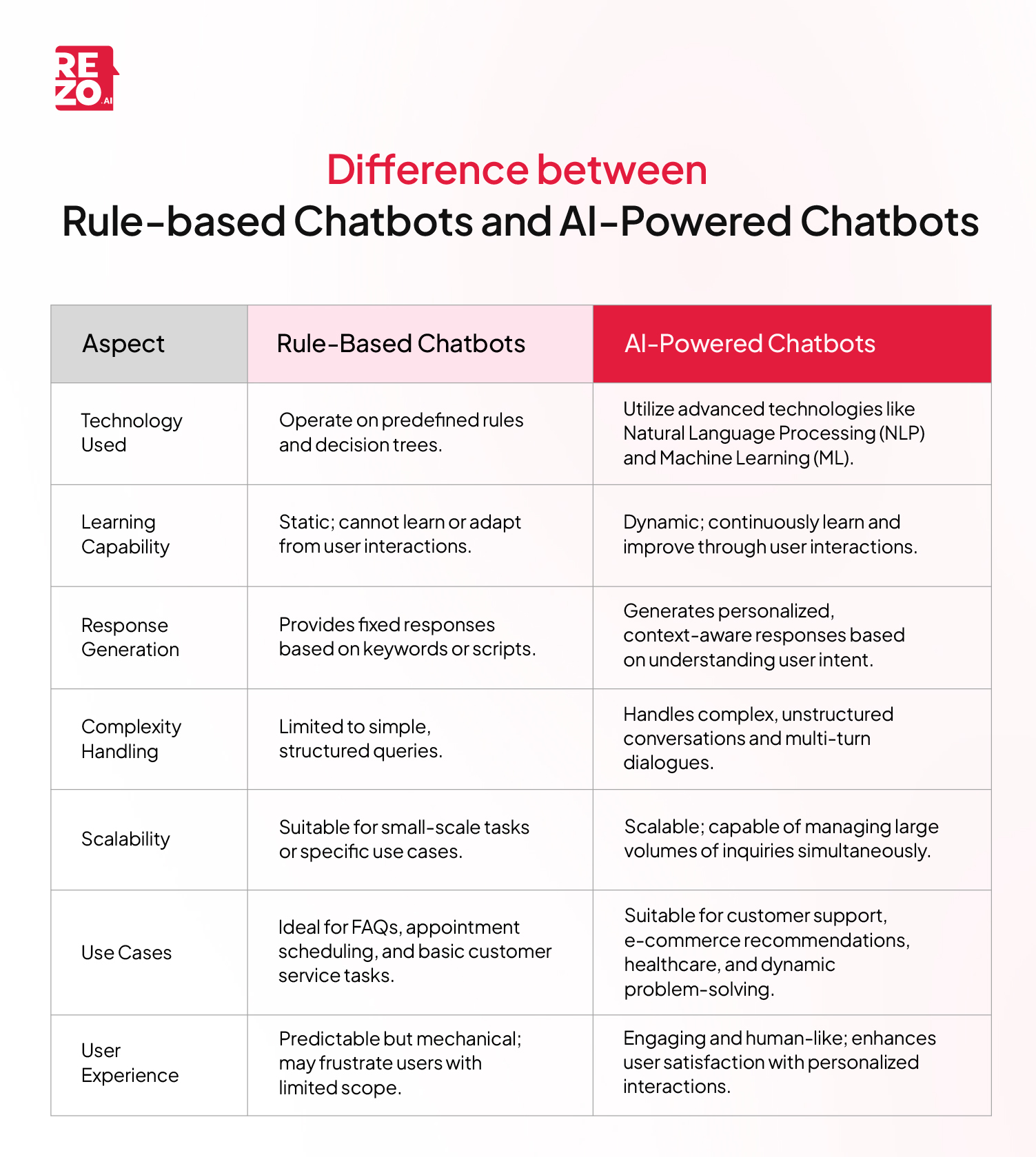
| Dimension | Task-Focused Chatbots | Joi AI Style Companions |
|---|---|---|
| Primary Goal | Problem solving | Interaction |
| Session Length | Short | Ongoing |
| Personalization | Minimal | High |
| Success Metric | Accuracy | Engagement |
This comparison highlights why joi ai belongs firmly in applied experiential AI rather than utility automation.
Measuring Quality in Joi AI Experiences


Evaluating joi ai requires mixed metrics. Quantitative data includes session length, return frequency, and response latency. Qualitative feedback includes perceived warmth, coherence, and satisfaction.
In applied reviews, qualitative signals often outweigh numerical scores. A technically accurate response can still feel unsatisfying if tone mismatches user expectation.
Quality measurement remains an evolving discipline in interactive AI.
Ethical Considerations and User Awareness

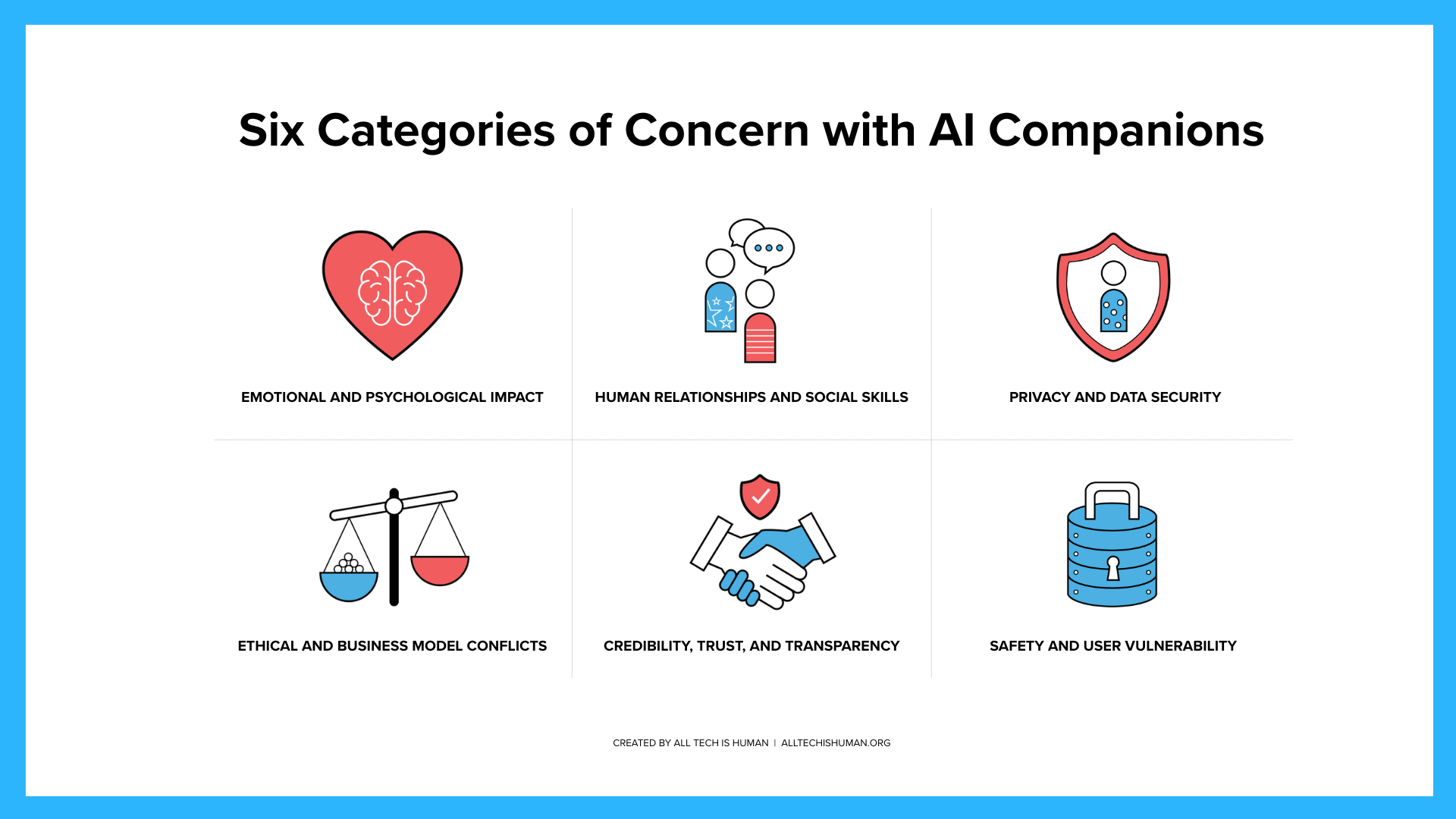

Ethical deployment of joi ai depends on transparency. Users must understand they are interacting with an AI system. Clear disclaimers and behavioral boundaries prevent misinterpretation.
In applied governance discussions, the main risk is not emotional harm but misaligned expectations. Responsible design prioritizes clarity over immersion.
This approach supports sustainable adoption rather than short-term engagement spikes.
Long-Term Implications for Human-Technology Interaction



Interactive AI companions like joi ai signal a shift in how people relate to technology. Systems move from tools to experiences. This shift requires careful design, evaluation, and restraint.
From an industry perspective, these systems will likely coexist with productivity AI rather than compete with it. Their role is presence, not authority.
Long-term success depends on maintaining clear boundaries while delivering meaningful interaction.
Key Takeaways
- Joi ai is designed for interaction, not task execution
- Engagement depends on tone, continuity, and responsiveness
- Personalization is reflective, not autonomous
- Safety and moderation are core system components
- Quality evaluation blends metrics with human judgment
- Ethical clarity supports long-term trust
Conclusion
I view joi ai as a representative example of applied conversational AI focused on companionship rather than control. Its value lies in how it structures interaction, not in claims of intelligence or emotion.
When designed responsibly, interactive AI companions provide accessible, low-pressure spaces for conversation and exploration. They do not replace human relationships, but they offer an additional layer of digital interaction that many users find meaningful.
As AI systems continue to move closer to daily human experience, the lessons from joi ai will shape how future products balance engagement, transparency, and trust.
Read: AI Nudifier Tools and the Real World Risks They Create
FAQs
What is joi ai used for
Joi ai is used for interactive conversation and companionship rather than productivity or automation.
Does joi ai have emotions or awareness
No. It simulates conversational responsiveness without consciousness or intent.
How does joi ai personalize interaction
It reflects user preferences through contextual memory and response shaping.
Is joi ai safe to use
Safety depends on moderation systems and clear user understanding of its limitations.
Will joi ai replace human interaction
No. It complements, not replaces, real human relationships.