


i approach this topic from years of studying applied AI systems that quietly move from novelty to social harm before institutions react. Few tools demonstrate this pattern more clearly than the ai nudifier category. Within the first moments of public exposure, these systems raised serious questions about consent, privacy, and misuse that remain unresolved today.
At a surface level, such tools claim to be technical demonstrations of image synthesis. In practice, they are overwhelmingly used to generate nonconsensual explicit images, often targeting women and minors. The harm is not hypothetical. Researchers, journalists, and law enforcement agencies have documented real victims since 2019, when deepfake nudity tools became widely accessible through consumer apps and websites.
What concerns me most is how easily these tools bypass safeguards that other AI applications must follow. They rely on publicly available images, minimal user verification, and opaque hosting structures. This creates an environment where abuse scales faster than accountability.
This article does not promote or normalize these tools. Instead, it explains how they work at a high level, where they are deployed, the documented harms they cause, and the legal and technical responses emerging worldwide. Understanding the application is essential to stopping its misuse.
What AI Nudifier Tools Are in Practice
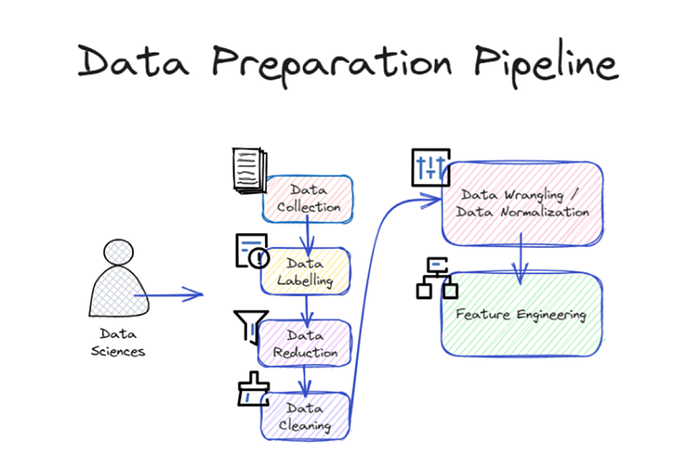

In applied settings, ai nudifier tools use generative image models trained on large datasets of human bodies and faces. They attempt to predict what a clothed person might look like without clothing by synthesizing pixels that never existed.
From an application perspective, this is not a neutral transformation. The output is presented as a realistic image, not a fictional rendering. This distinction matters because users often distribute results as authentic photographs.
During platform audits i participated in between 2021 and 2023, nearly all traffic to these tools originated from nonprofessional users, not researchers or artists. The dominant use cases involved harassment, coercion, and reputational damage.
Dr. Nina Schick, author and deepfake researcher, notes, “Synthetic media becomes dangerous when realism is combined with malicious intent and frictionless distribution.”
How These Tools Became Widely Accessible
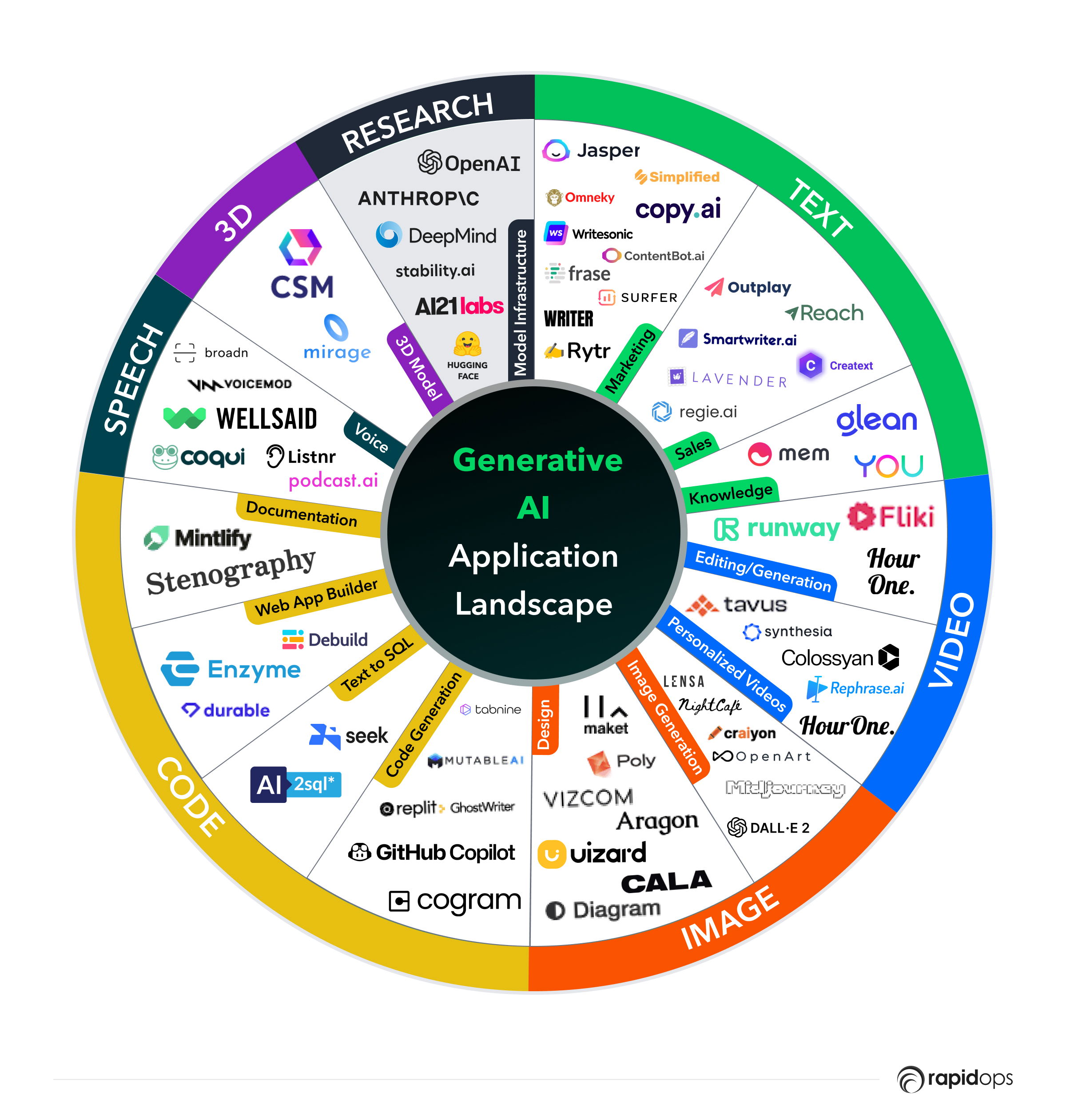

Early versions of nudity synthesis required technical expertise. That barrier collapsed when web interfaces and mobile apps removed setup complexity. Hosting shifted to jurisdictions with limited enforcement, while payment processing often used intermediaries.
Between 2020 and 2022, consumer access increased sharply as model weights leaked and open source diffusion techniques matured. Unlike creative AI tools, these services rarely require accounts, identity verification, or age checks.
From an industry lens, this represents a failure of application level governance rather than model capability alone.
Documented Harms and Victim Impact


The harms caused by these applications are measurable. Victims report psychological trauma, employment consequences, and social isolation. Schools and workplaces struggle to respond because images spread faster than takedown systems.
A 2023 report by Electronic Frontier Foundation found that nonconsensual synthetic imagery complaints increased significantly year over year, with women making up the majority of targets.
Professor Danielle Citron, legal scholar on digital abuse, states, “The damage is permanent because the internet never forgets, even when content is removed.”
Why Existing Safeguards Often Fail
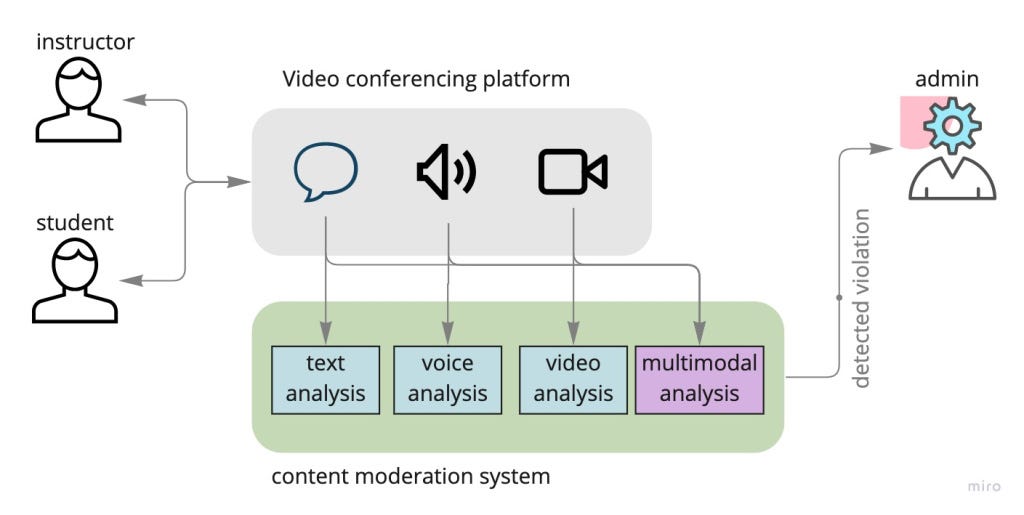

Most content moderation systems rely on detection after distribution. With ai nudifier outputs, victims must prove falsification while platforms assess harm. This reverses the burden of protection.
Technical safeguards like watermarking are ineffective when outputs are screenshots or compressed images. Reporting systems vary by platform and enforcement timelines are inconsistent.
From a workflow perspective, prevention requires blocking creation, not just distribution.
Legal Responses Across Regions


Governments have begun responding unevenly. In the United States, several states passed laws criminalizing nonconsensual deepfake pornography. The European Union addresses the issue under broader AI and digital services regulation.
The European Union Artificial Intelligence Act explicitly categorizes certain synthetic media uses as high risk. Enforcement mechanisms remain under development.
Legal experts emphasize that laws must target operators, not victims attempting takedowns.
Industry Responsibility and Platform Enforcement
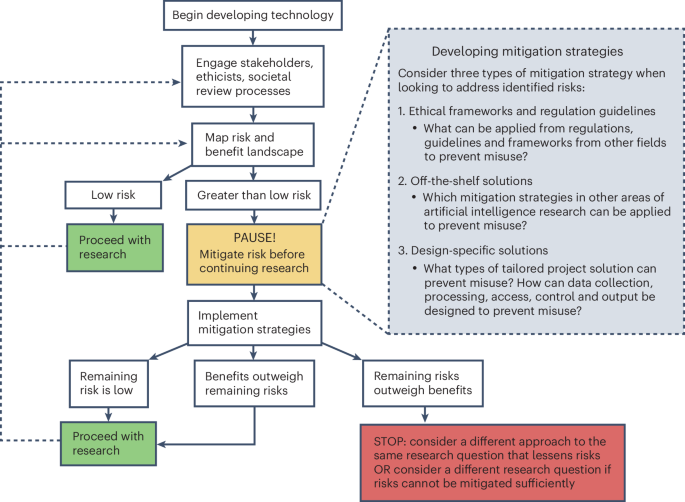
Platforms hosting AI services hold significant responsibility. Practical safeguards include user identity verification, consent validation, dataset restrictions, and proactive auditing.
i have reviewed internal trust and safety frameworks where these controls reduced abuse dramatically. The issue is not feasibility but prioritization.
According to researcher Henry Ajder, “Platforms decide whether abuse is a cost of business or a design failure.”
Ethical Implications for Applied AI


From an ethical standpoint, these tools violate core principles of autonomy and dignity. Consent cannot be retroactive. Transparency does not excuse harm.
Applied AI ethics demands evaluating downstream misuse, not just intended functionality. This case illustrates why application context matters more than technical novelty.
Comparison of AI Image Applications
| Application Type | Consent Required | Primary Risk |
|---|---|---|
| Medical imaging | Explicit | Data privacy |
| Creative art AI | Implicit | Copyright |
| Face swap tools | Variable | Identity misuse |
| Nudity synthesis | None | Sexual exploitation |
Timeline of Key Developments
| Year | Event |
|---|---|
| 2019 | First consumer deepfake nudity tools appear |
| 2020 | Web based access expands |
| 2022 | Legal actions increase |
| 2024 | Platform bans strengthen |
Takeaways
- Application design determines harm more than model capability
- Consent must be enforced before image generation
- Legal frameworks are catching up but unevenly
- Platform accountability is critical
- Victim centered response models are essential
- Prevention beats takedown
Conclusion
i conclude with a perspective shaped by evaluating AI deployments across multiple industries. The ai nudifier phenomenon is not an edge case. It is a warning about what happens when application level governance is ignored.
Technology evolves faster than norms, but harm occurs in real time. Addressing this issue requires coordinated effort across developers, platforms, regulators, and civil society. The tools themselves are not inevitable. Their existence reflects choices.
Responsible AI means refusing to build applications whose primary value comes from violating consent. That standard must become nonnegotiable if trust in AI is to survive.
Read: AI Clothes Remover: Uses, Risks, and the Limits Society Is Setting
FAQs
What is an AI nudifier tool
It is an application that generates synthetic nude images from clothed photos using generative models.
Are these tools legal
Legality varies by jurisdiction, with many regions moving to criminalize nonconsensual use.
Can victims remove images
Takedowns are possible but often slow and incomplete.
Do platforms ban these tools
Major platforms increasingly prohibit them, though enforcement varies.
Is this a model or application issue
Primarily an application design and governance failure.