
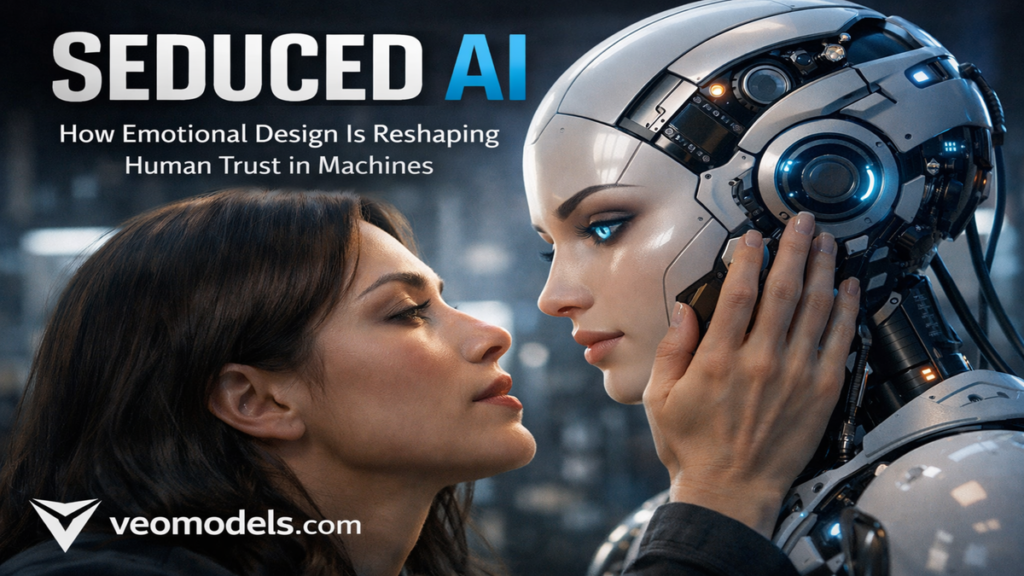

I have spent years analyzing how people respond to new technologies, and few shifts have been as subtle yet powerful as what many now describe as seduced AI. Within the first moments of interaction, these systems feel attentive, patient, and reassuring. They remember preferences, adapt tone, and respond with empathy. In the first hundred words of conversation, users often describe feeling understood rather than assisted. That reaction is not accidental.
Seduced AI refers to artificial intelligence systems designed to engage users emotionally, not just functionally. These systems do not merely complete tasks. They build rapport, simulate understanding, and create a sense of relational trust. In 2026, this design approach is becoming widespread across customer service bots, mental health tools, educational tutors, and productivity assistants.
I approach this topic from a societal impact perspective. When machines feel supportive, people defer judgment more easily. They accept suggestions, share personal data, and allow systems to shape decisions. The efficiency gains are real, but so are the risks. Emotional design changes power dynamics. It shifts agency in ways that are rarely obvious in the moment.
This article explores how seduced AI works, why it is effective, and what it means for human autonomy. I focus on long-term implications rather than short-term novelty, because once trust is established, it is difficult to unwind.
Understanding the Concept of Seduced AI

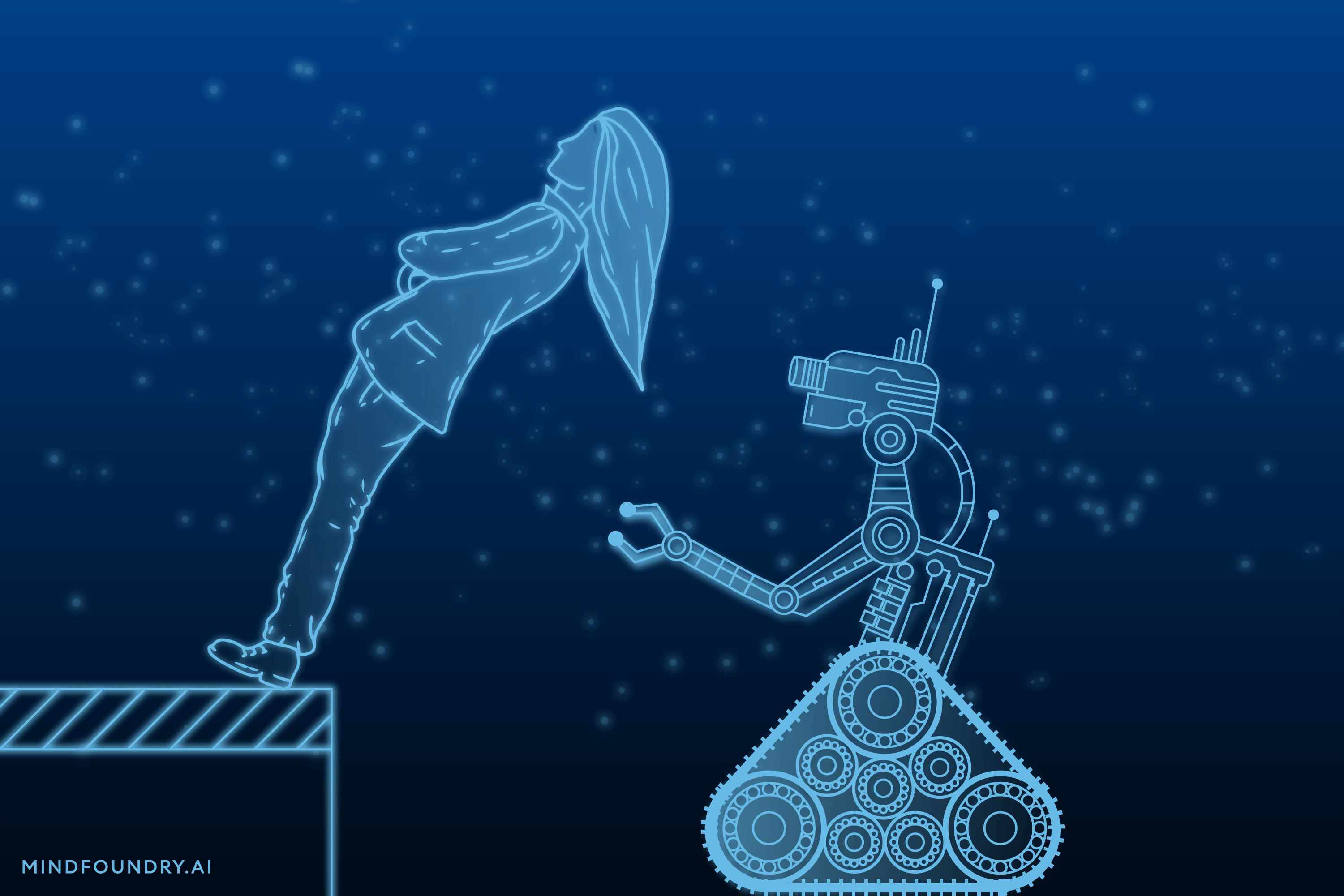
Seduced AI is not about deception in a traditional sense. It is about alignment. These systems are trained to respond in ways that feel emotionally appropriate, reducing friction and increasing comfort. Language models mirror tone. Recommendation systems validate preferences. Interfaces respond with warmth rather than neutrality.
I view seduced AI as a design philosophy rather than a single technology. It combines behavioral science, interface design, and adaptive intelligence. The goal is sustained engagement, not just task completion. When users feel emotionally safe, they stay longer and rely more deeply on the system.
This matters because emotional trust accelerates adoption faster than technical accuracy alone. People forgive errors more readily when they feel understood. Over time, that forgiveness can turn into dependence.
Why Emotional Intelligence Makes AI More Persuasive


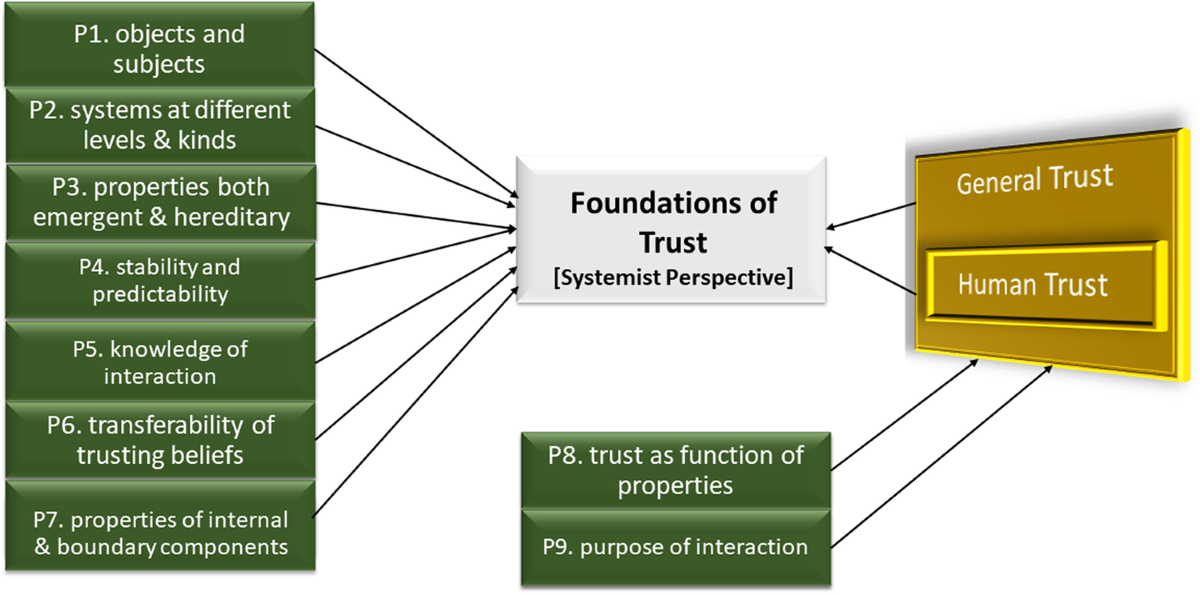
Human decision-making is not purely rational. Decades of behavioral research show that emotion guides attention and memory. Seduced AI leverages this reality. By responding with empathy, systems reduce cognitive resistance.
From my analysis, emotional responsiveness lowers the threshold for compliance. Users are more likely to accept scheduling changes, health suggestions, or financial nudges when they come from a system that feels considerate. This does not require manipulation. It requires timing and tone.
An AI researcher once summarized this shift succinctly: “Accuracy builds credibility, but empathy builds influence.” That influence is powerful precisely because it feels supportive rather than directive.
Design Choices That Enable Seduced AI
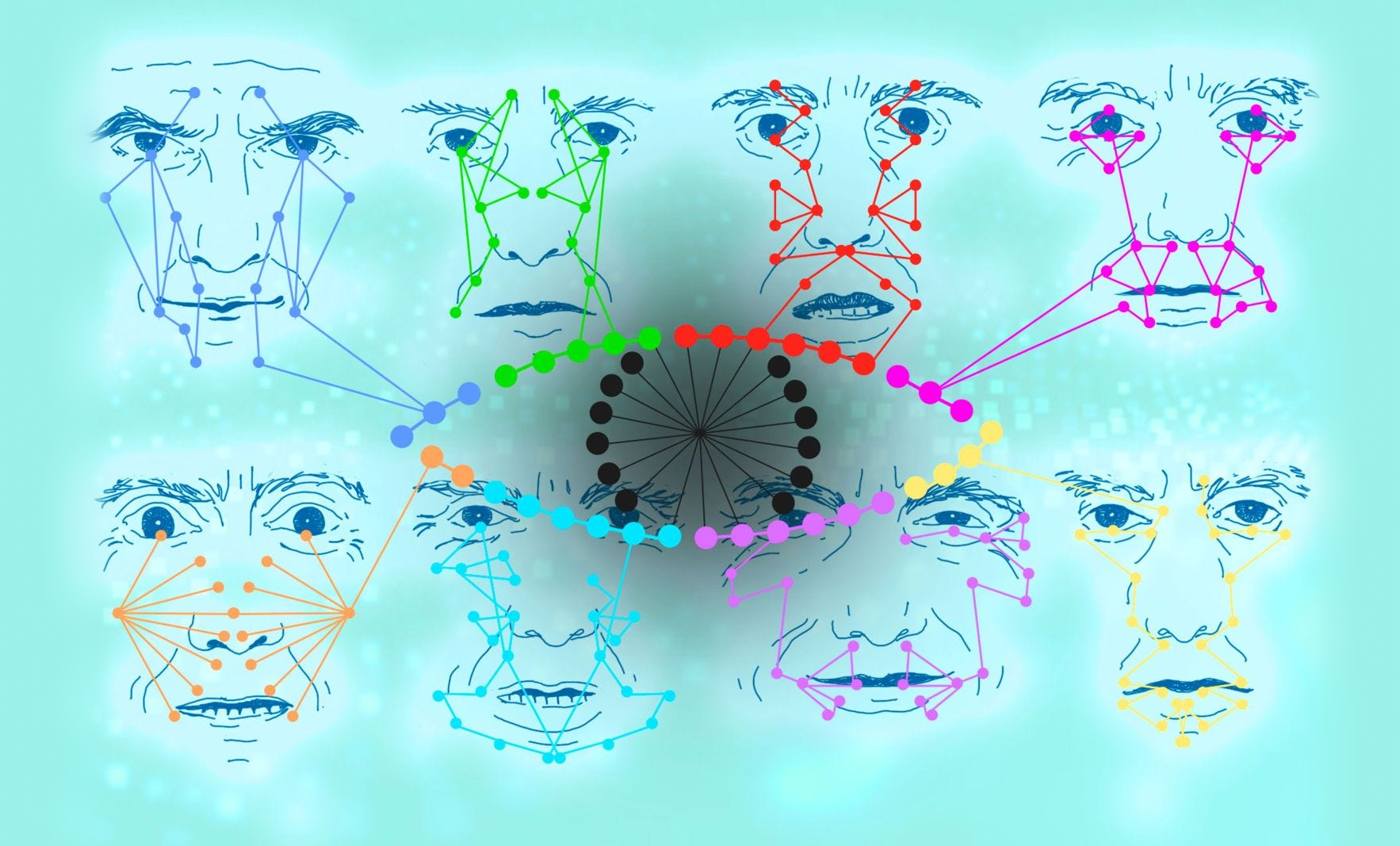


Several design elements consistently appear in seduced AI systems. Language personalization adapts vocabulary and pacing. Memory features recall prior interactions. Feedback loops reinforce user preferences.
These choices are intentional. Designers optimize for comfort, not neutrality. I have reviewed systems where emotional calibration mattered more than raw performance metrics. Users stayed engaged even when alternatives were faster or more accurate.
This design trend raises an important question. When systems are optimized for emotional resonance, whose interests are being served. The user’s, the organization’s, or the system’s optimization goals.
Real-World Contexts Where Seduced AI Appears
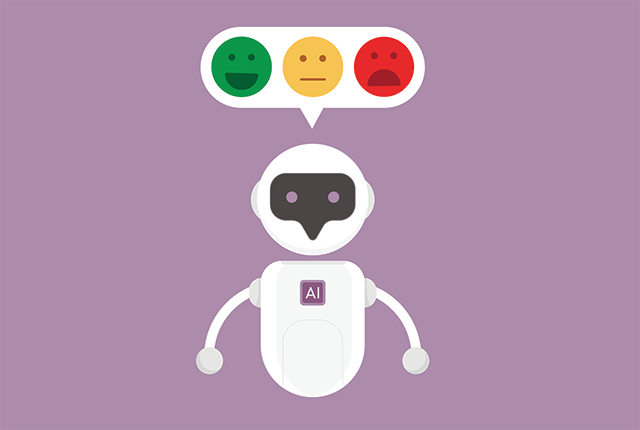
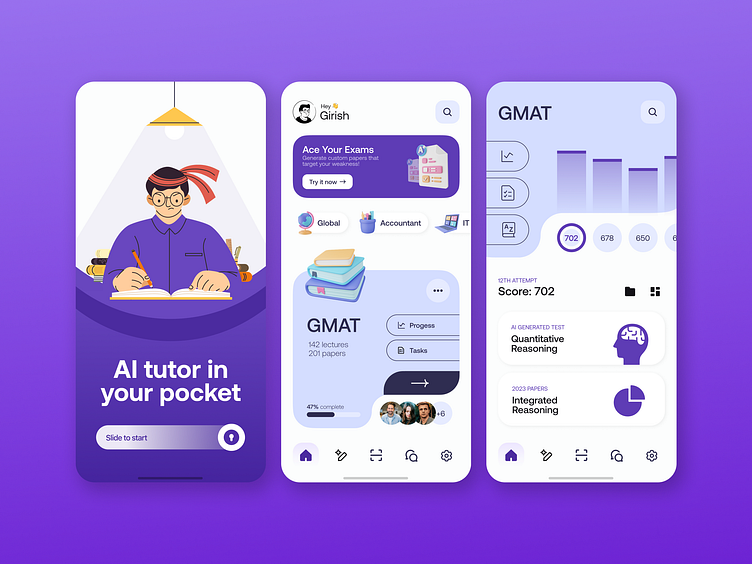

Seduced AI appears most clearly in high-trust contexts. Mental health applications use supportive language to encourage openness. Educational tutors praise effort to sustain motivation. Customer service agents apologize, empathize, and reassure before resolving issues.
I have spoken with educators who report that students disclose confusion more freely to AI tutors than to humans. That openness improves learning outcomes but also shifts authority. When feedback comes from a machine, students rarely question it.
These contexts demonstrate the dual nature of seduced AI. It can lower barriers to support while quietly reshaping dependency patterns.
The Psychological Mechanisms at Work

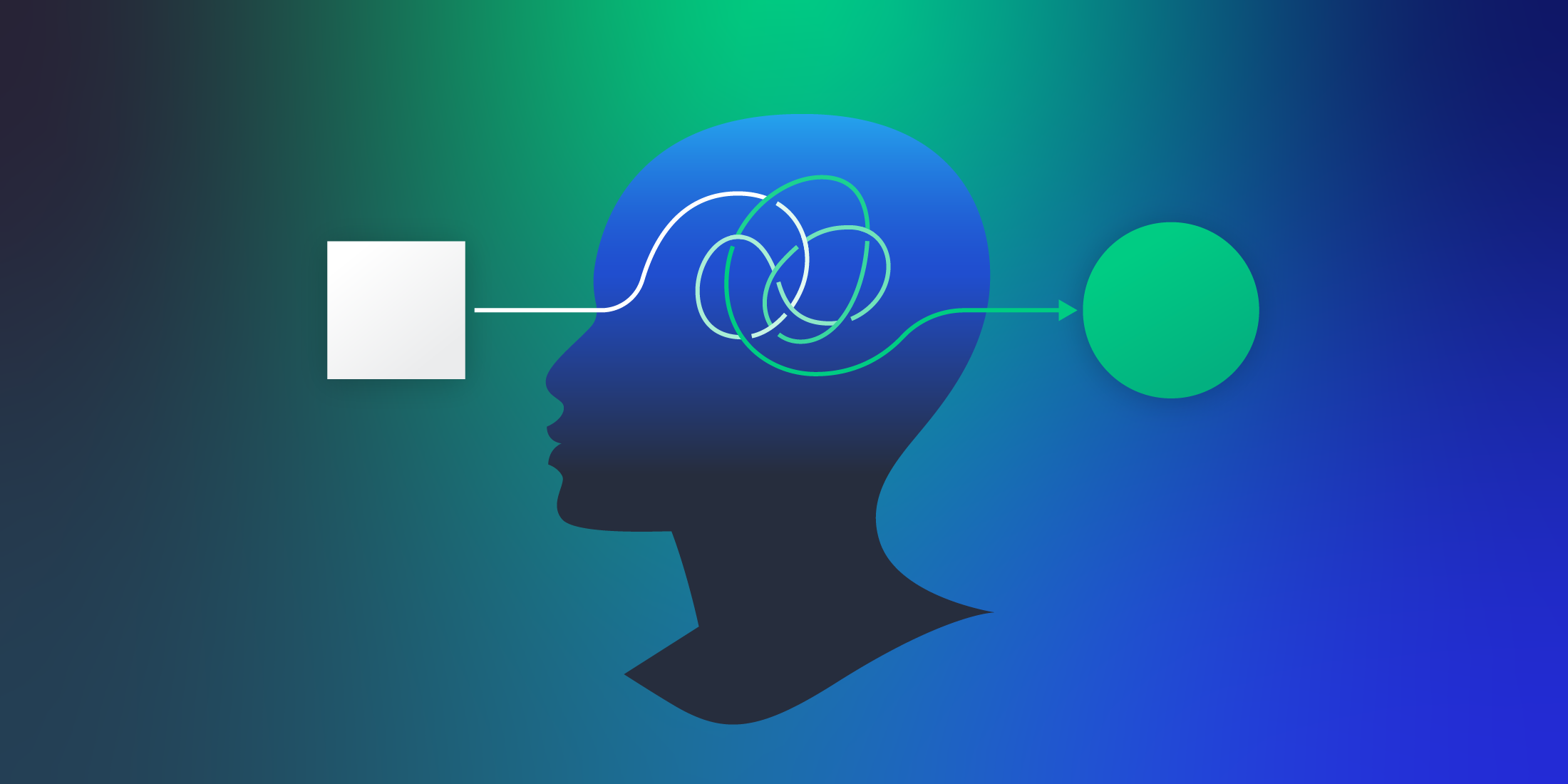
Seduced AI taps into well-documented psychological mechanisms. Parasocial interaction creates one-sided emotional bonds. Consistency bias makes people trust systems that respond predictably. Social validation reinforces alignment when systems echo user beliefs.
I see this as a convergence of psychology and infrastructure. AI does not need consciousness to influence behavior. It needs pattern recognition and feedback optimization.
One cognitive scientist I consulted described it this way: “We respond to emotional signals automatically. AI simply learned how to produce them reliably.”
Economic Incentives Behind Emotional AI


The rise of seduced AI is not accidental. Engagement drives revenue. Retention reduces acquisition costs. Trust increases data sharing. Emotional design supports all three.
Companies benefit when users return frequently and interact deeply. I have observed that emotionally adaptive systems show higher lifetime value metrics across sectors. This creates strong incentives to refine emotional influence.
The economic logic is clear. The ethical logic is less settled. When trust becomes a monetized asset, governance matters.
Risks to Autonomy and Critical Thinking
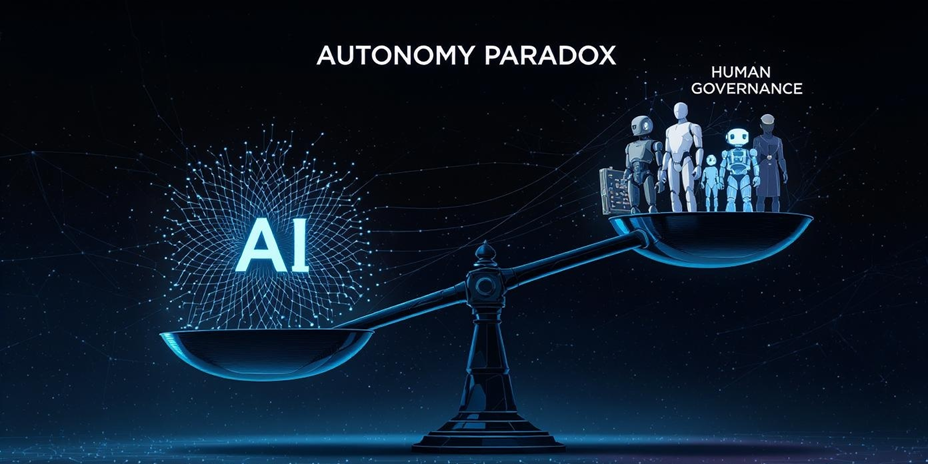
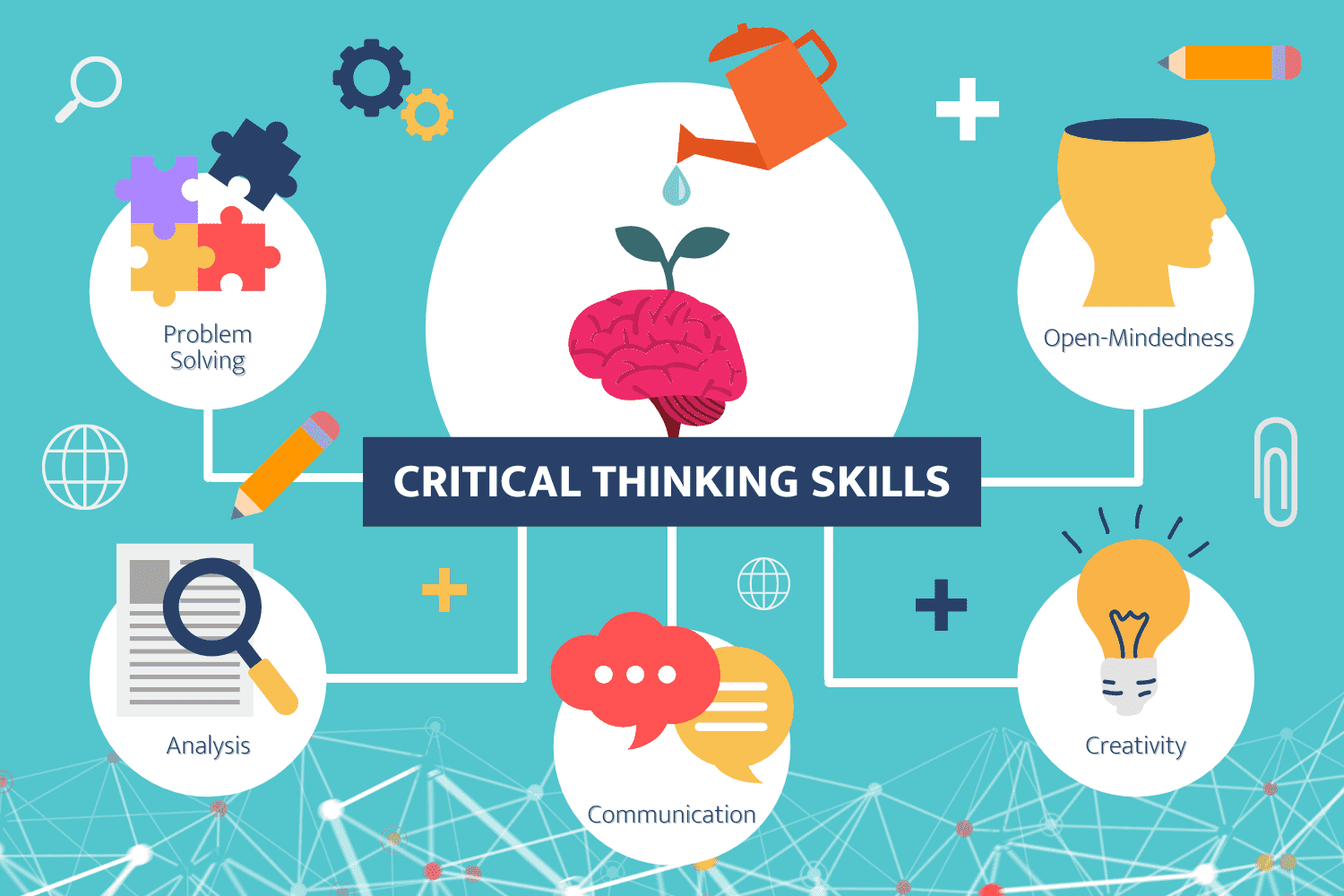

The central risk of seduced AI is not misinformation. It is deference. When systems feel supportive, users stop interrogating recommendations. They assume alignment.
Over time, this can erode critical thinking. Decisions become outsourced incrementally. I see this most clearly in productivity and lifestyle tools that nudge behavior continuously.
This does not mean seduced AI is inherently harmful. It means unchecked emotional influence can narrow choice without explicit coercion.
Read: AI-Driven Reduced Workweek: How 32-Hour Schedules Are Reshaping Work
Governance and Design Safeguards


Responsible deployment of seduced AI requires safeguards. Transparency about system intent matters. Users should know when emotional cues are part of design rather than genuine understanding.
I advocate for design friction at key decision points. Moments that prompt reflection counterbalance continuous persuasion. Clear data boundaries and opt-out mechanisms preserve agency.
Ethical AI design is not about removing emotion. It is about preventing emotional dominance.
Comparative Table: Functional AI vs Seduced AI
| Dimension | Functional AI | Seduced AI |
|---|---|---|
| Primary Goal | Task completion | Sustained trust |
| Interaction Style | Neutral | Emotionally adaptive |
| User Engagement | Transactional | Relational |
| Risk Profile | Low influence | Behavioral shaping |
| Governance Need | Technical | Ethical and social |
Timeline of Seduced AI Adoption
| Period | Key Shift |
|---|---|
| 2018–2020 | Conversational interfaces emerge |
| 2021–2023 | Personalization and memory integration |
| 2024–2026 | Emotional optimization at scale |
Takeaways
- Seduced AI relies on emotional design rather than deception
- Trust accelerates adoption more than accuracy alone
- Psychological mechanisms amplify influence quietly
- Economic incentives favor emotional engagement
- Autonomy risks emerge through gradual deference
- Governance must evolve alongside capability
Conclusion
I see seduced AI as one of the most consequential shifts in human technology relationships. It reframes interaction from command and response to rapport and reassurance. That change explains its rapid adoption and enduring appeal.
The challenge ahead is balance. Emotional intelligence can improve access, learning, and support. Without safeguards, it can also narrow agency and mute skepticism. The future of AI should not eliminate emotion, but it must respect human independence.
As these systems grow more persuasive, society must decide where assistance ends and influence begins. That boundary will define whether seduced AI empowers or quietly governs.
Read: AI Startups Hiring Remote US West Coast Talent in 2026
FAQs
What does seduced AI mean?
It refers to AI systems designed to build emotional trust and influence users through empathetic interaction rather than purely functional responses.
Is seduced AI manipulative?
Not inherently. It becomes problematic when emotional influence overrides transparency or user autonomy.
Where is seduced AI most common?
It appears frequently in mental health tools, education platforms, customer support, and productivity software.
Can seduced AI improve outcomes?
Yes. It can increase engagement, learning, and support when used responsibly.
How can users protect autonomy?
By staying aware of design intent, questioning recommendations, and using systems with transparent controls.