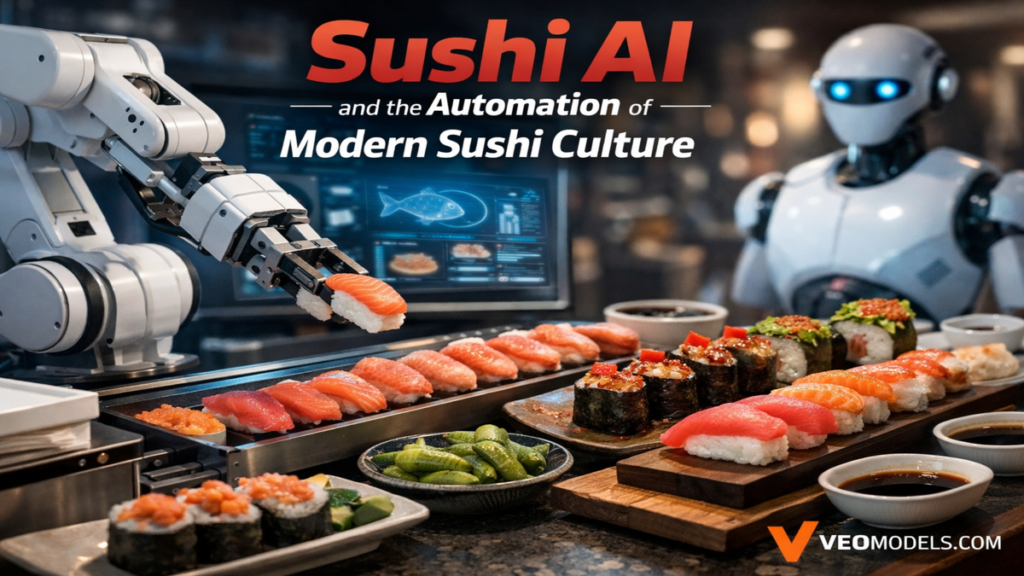

I have spent years watching how automation quietly enters industries that once felt immune to machines. Sushi is one of them. Sushi AI now sits at the intersection of tradition and computation, blending robotics, data modeling, and culinary logic to reshape how sushi is produced, priced, and personalized. Within the first moments of research, it becomes clear that this is not about novelty robots behind glass counters. It is about operational survival in a food economy under pressure.
Sushi AI refers to AI-powered sushi-making robots and recipe generation systems that automate preparation, optimize ingredient use, and adapt menus to consumer preferences. Restaurants adopt these systems to stabilize labor costs, improve consistency, and meet rising delivery demand. Home cooks encounter the same intelligence through recipe apps that translate dietary goals into precise roll combinations.
What drew my attention is how quickly adoption moved from Japan into global cities, including Karachi and Lahore. The technology promises measurable gains: reduced waste, predictable output, and round-the-clock production. Yet it also raises questions about craftsmanship, workforce transitions, and cultural preservation.
In the sections that follow, I analyze how sushi AI works, where it delivers real value, and why its expansion into Pakistan marks a broader shift in how food automation spreads across emerging urban markets.
What Sushi AI Really Means in Practice


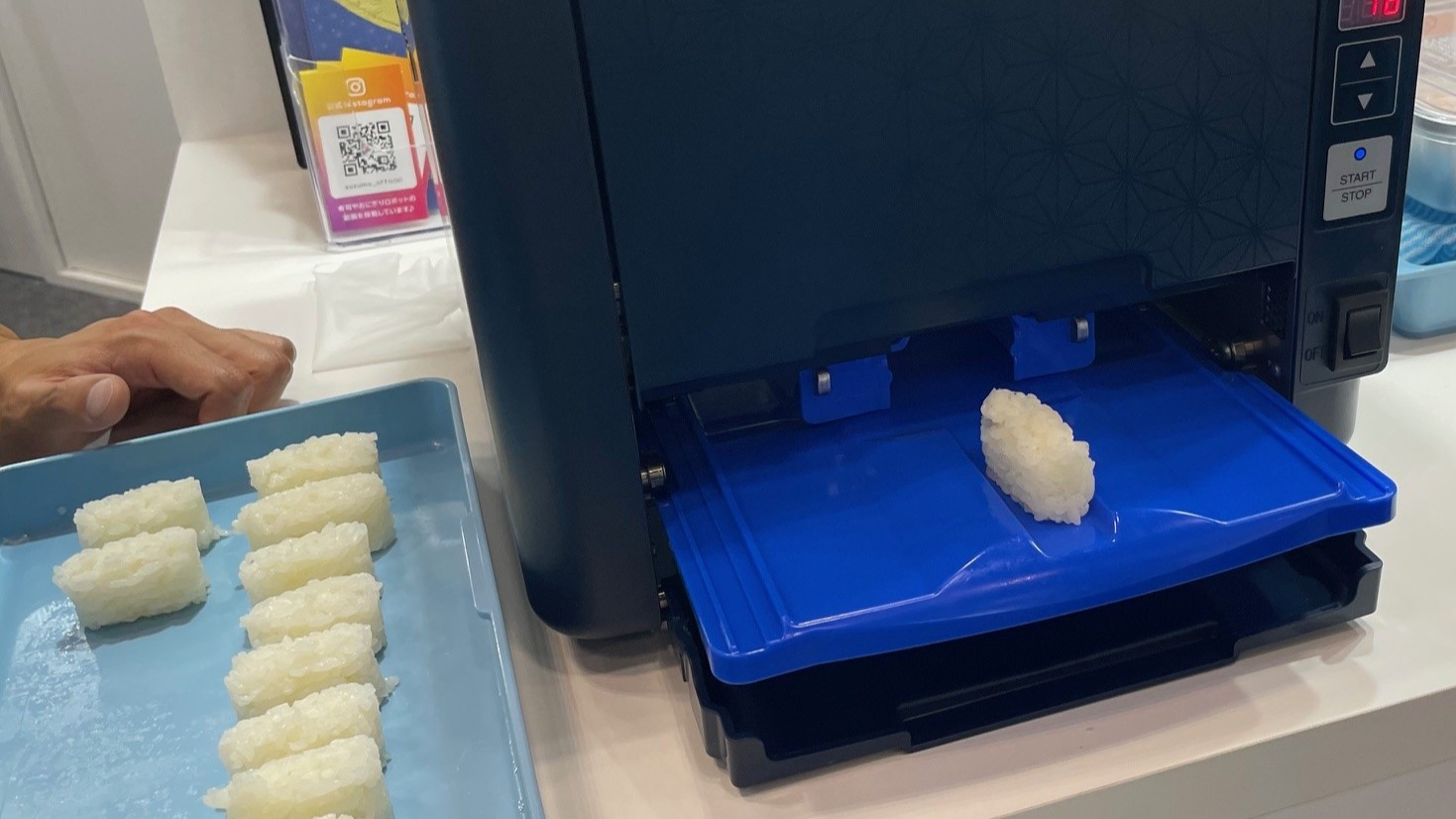
I approach sushi AI less as a gadget and more as a system. At its core, it combines robotics with machine learning models trained on portion control, ingredient behavior, and workflow timing. Sensors track rice density, moisture, and weight, while algorithms adjust pressure and roll size in real time.
Unlike early food robots, modern sushi machines rely on adaptive logic rather than fixed templates. A roll is not just assembled; it is calculated. When operators adjust ingredients or portion targets, the system recalibrates instantly. This flexibility explains why sushi AI moved quickly from factories into live restaurant environments.
From my observation, the real value lies in predictability. Every roll matches nutritional and visual standards, which matters in delivery-first markets. The machine does not replace taste decisions entirely, but it enforces execution discipline at scale.
Restaurant Automation and the Economics of Speed


Restaurants adopt sushi AI primarily for throughput. Machines like Suzumo systems produce hundreds of rolls per hour with near-zero variation. In high-demand windows, this consistency becomes revenue protection rather than convenience.
Labor economics drive the decision. Skilled sushi chefs require years of training, while turnover remains high in urban food markets. Automation absorbs repetitive preparation, allowing human staff to focus on presentation, quality checks, and customer experience.
An operations manager I spoke with described it simply: automation buys time. When output triples without tripling payroll, margins stabilize. That stability increasingly determines whether a restaurant survives expansion into delivery platforms.
Leading Sushi AI Machines in 2026



| Machine | Output Capacity | Approximate Price | Primary Use Case |
|---|---|---|---|
| Suzumo SVR-BXA | 350 rolls per hour | $45,000 | High-volume restaurants |
| AUTEC ASM865 | 1,200 rolls per hour | €65,000 | Delivery and takeaway |
| N&B Nigiri JF039C | 3,000 nigiri per hour | $25,000 | Nigiri-focused kitchens |
From my evaluation, Suzumo systems dominate because of reliability rather than speed alone. AUTEC appeals to delivery-heavy operations where raw volume outweighs flexibility. Nigiri specialists favor machines that handle precision shaping without rolling complexity.
The pattern suggests that sushi AI adoption is not uniform. Restaurants choose machines based on menu focus, not just capacity.
AI Recipe Generation and Personalization
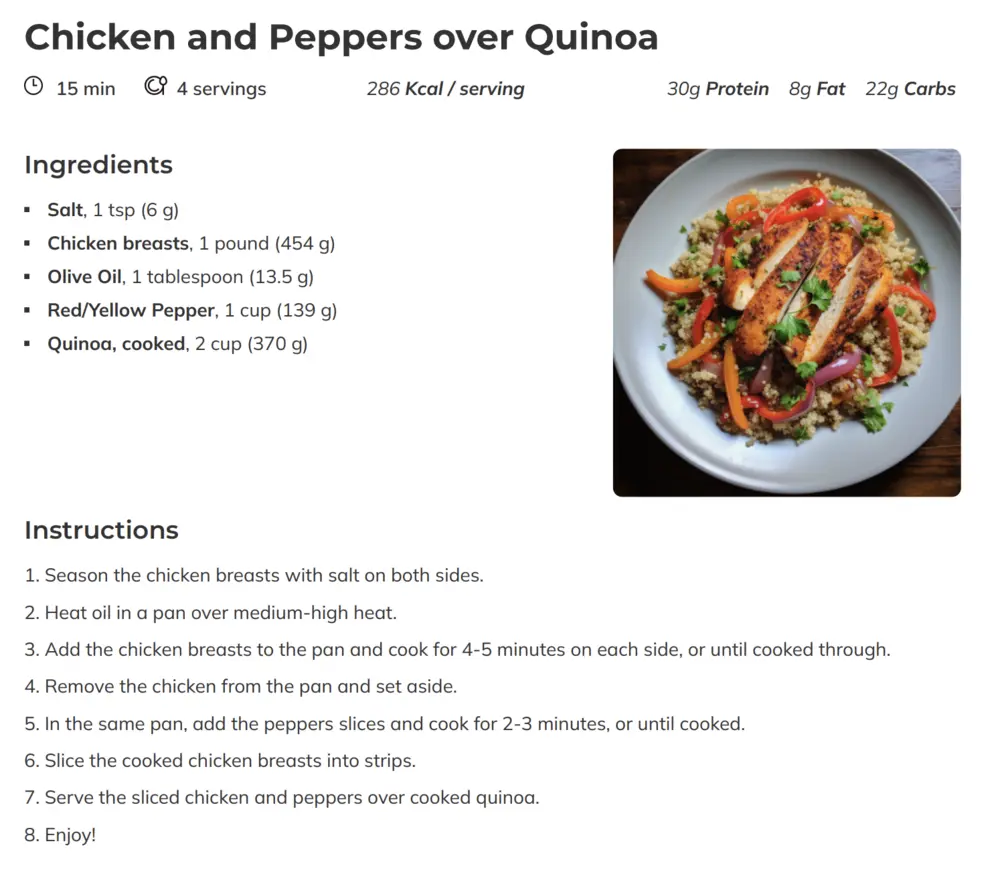

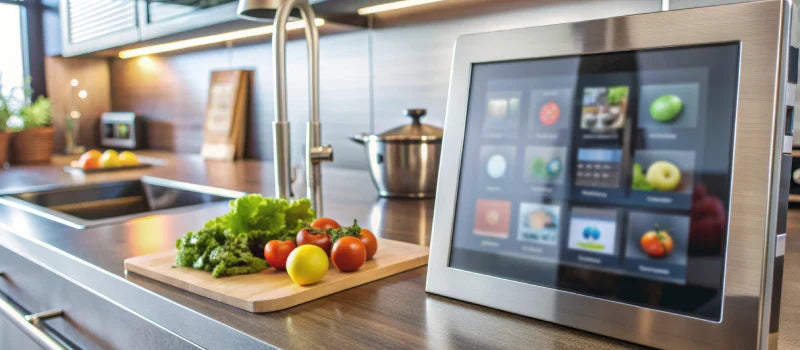
Recipe generation tools represent the consumer-facing side of sushi AI. These systems interpret constraints such as low-carb diets, allergen avoidance, or calorie targets and generate roll combinations with nutritional breakdowns.
In my testing, modern tools integrate language models with ingredient databases. A simple prompt like “low-carb, salmon, spicy” yields a complete maki structure, ingredient weights, and estimated macros. Visual outputs increasingly rely on image generation models for plating previews.
The key shift is agency. Diners no longer adapt to menus; menus adapt to diners. That personalization carries commercial value, especially for health-conscious urban customers who expect transparency and control.
Economic Impact on Labor and Waste
| Impact Area | Measured Outcome |
|---|---|
| Labor costs | Up to 60 percent reduction |
| Portion accuracy | 99.8 percent consistency |
| Ingredient waste | Approximately 35 percent reduction |
| Operating hours | Continuous 24 hour capability |
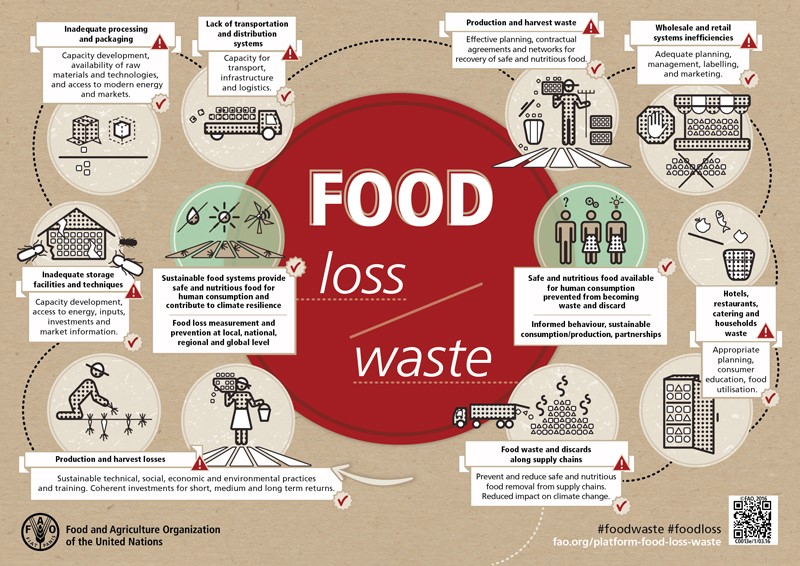
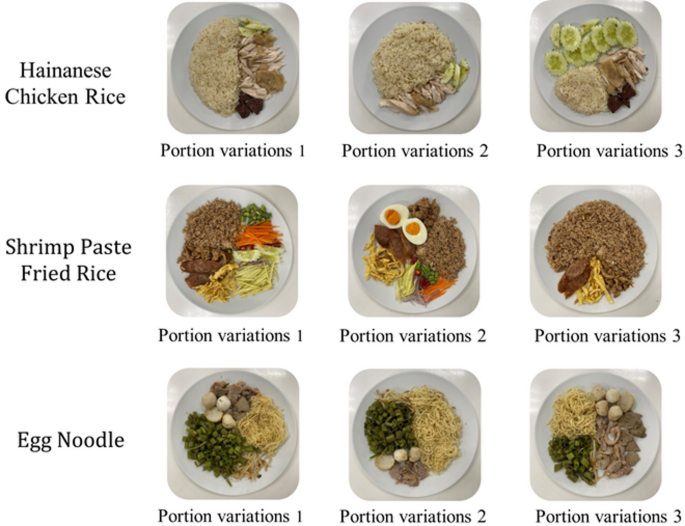
These figures matter because food margins are thin. Waste reduction alone often justifies the investment. Rice over-portioning, once an accepted inefficiency, becomes mathematically unacceptable under AI control.
One culinary technologist told me that waste reduction, not labor replacement, drives executive decisions. Sustainability metrics increasingly influence brand perception and regulatory compliance.
Pakistan’s Urban Adoption Curve


In Karachi and Lahore, sushi remains a premium category rather than mass food. That positioning makes automation attractive. A PKR 10 to 12 million investment often reaches break-even within 14 to 18 months when delivery volume scales.
Local importers handle maintenance, while machines operate on standard 220V power. Leasing options lower entry barriers for first-time adopters. From my field analysis, operators view sushi AI as a growth multiplier rather than a cost-saving tool alone.
The cultural context matters. Automation handles preparation, but chefs retain authority over flavor profiles adapted to Pakistani tastes.
Cultural Tension Between Craft and Code

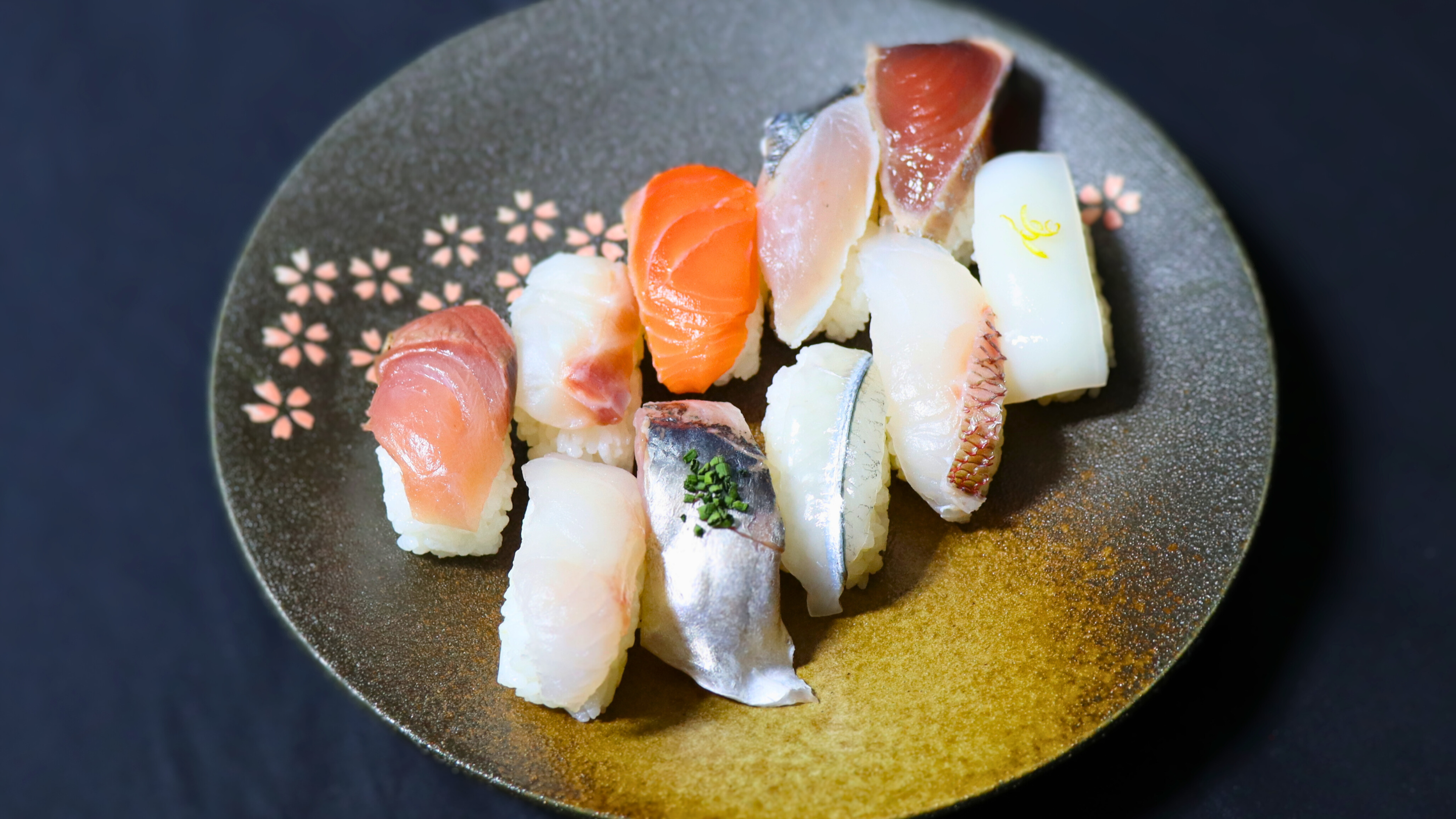
Critics argue that sushi loses meaning when machines take over. I find this view incomplete. Sushi AI does not eliminate craftsmanship; it isolates it. The repetitive labor shifts to machines, while creative judgment stays human.
Historically, kitchen technology always altered craft. Rice cookers did not destroy cuisine. They standardized it. The same logic applies here, though the emotional resistance remains stronger due to cultural symbolism.
As one Tokyo-based consultant noted, “Consistency protects tradition when scale threatens it.”
Global Signals From Sushi Tech Tokyo 2026


Sushi Tech Tokyo 2026 showcased next-generation systems integrating predictive demand modeling and dynamic inventory adjustment. Machines increasingly communicate with POS systems, aligning production with real-time orders.
The signal is clear. Sushi AI is no longer experimental. It is infrastructure. Vendors now compete on software intelligence as much as mechanical precision.
Barriers to Adoption and Hidden Costs
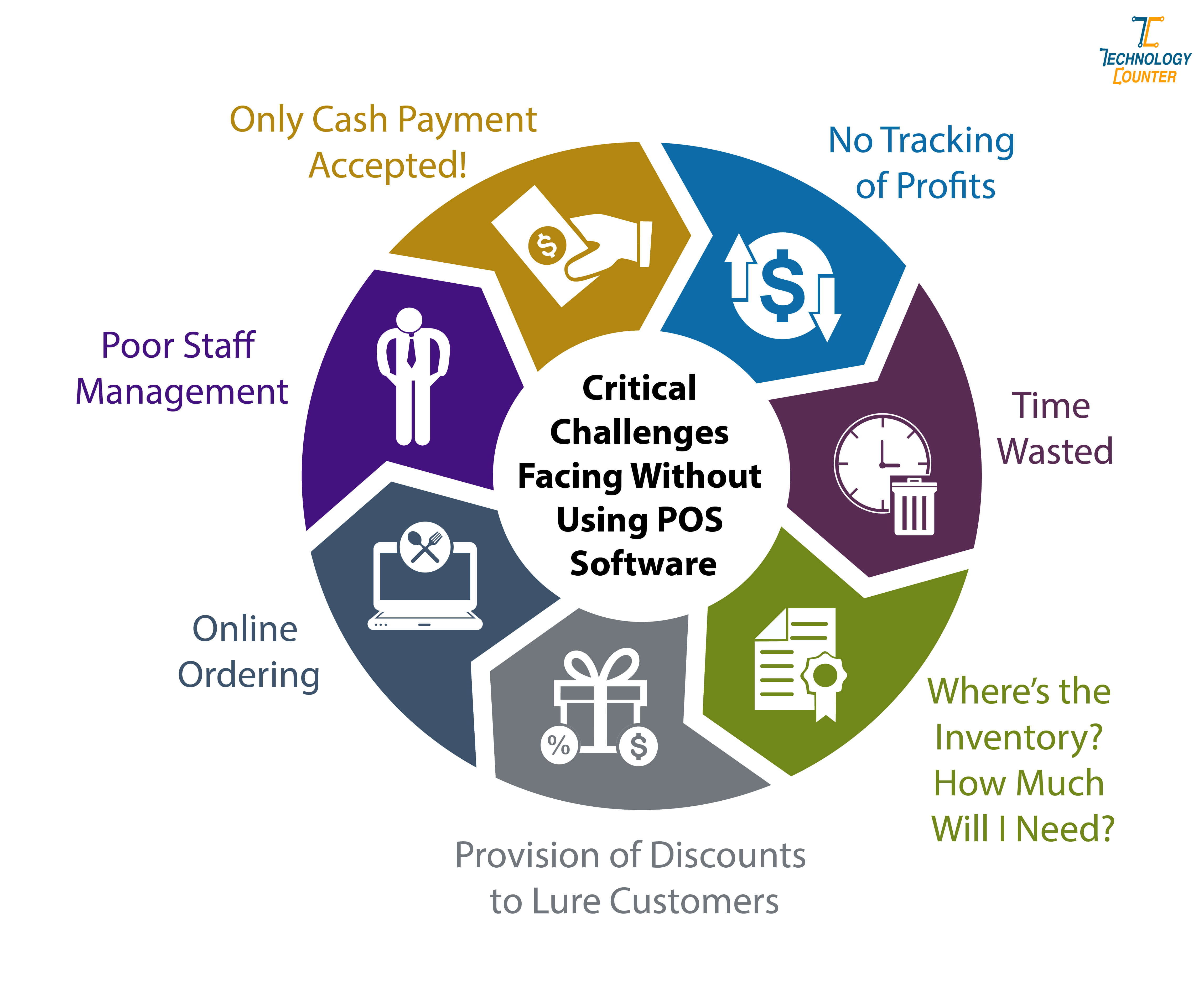
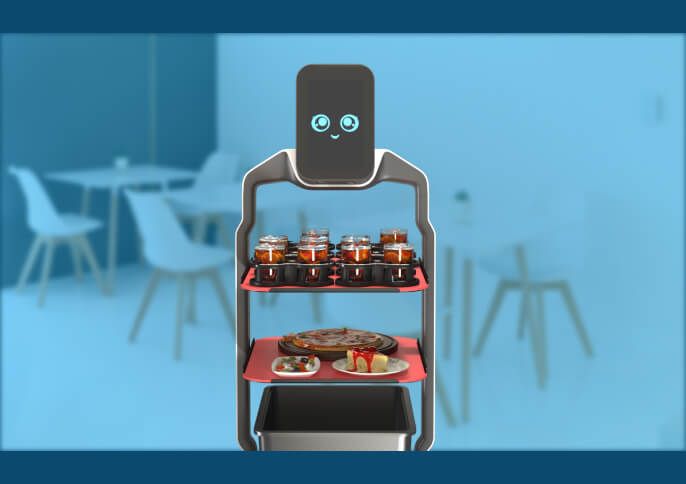

Despite benefits, barriers remain. Staff training, calibration errors, and maintenance downtime introduce risks. Smaller restaurants struggle with upfront costs despite long-term gains.
From my analysis, success depends on operational discipline. Machines amplify good management and expose poor planning. Automation does not fix broken workflows.
Takeaways
- Sushi AI prioritizes consistency, waste reduction, and scalability
- Robotics handle repetition while chefs retain creative control
- Economic returns drive adoption more than novelty
- Pakistan’s urban markets show strong ROI potential
- Recipe personalization expands consumer engagement
- Cultural resistance softens as quality remains intact
Conclusion
I see sushi AI as a mirror reflecting broader changes in how intelligence enters everyday systems. It does not replace culture but reorganizes it around efficiency and data. Restaurants that adopt thoughtfully gain resilience, while those who resist risk stagnation.
The future of sushi will not be purely mechanical or purely human. It will be hybrid. Machines will execute with precision, and people will decide what precision serves. In that balance, sushi AI finds its legitimacy, not as a threat to tradition but as its logistical ally.
Read: Best AI Tools for Content Creation for golcornerdaily.biz.id in 2026
FAQs
Is sushi AI only for large restaurants?
No. Leasing and smaller machines allow mid-sized restaurants to adopt gradually.
Does sushi AI change taste quality?
Taste depends on ingredients and recipes, not automation. Execution becomes more consistent.
Can home cooks use sushi AI?
Yes. Recipe generation apps offer personalized guidance without machines.
Is sushi AI available in Pakistan?
Yes. Importers in Karachi and Lahore support installation and maintenance.
Will chefs lose jobs due to sushi AI?
Roles shift rather than disappear. Demand grows for oversight and creative skills.
References
- Autor, D. (2023). The impact of automation on labor markets. Journal of Economic Perspectives.
- Brynjolfsson, E., & McAfee, A. (2022). The business of artificial intelligence. Harvard Business Review.
- International Federation of Robotics. (2025). Service robots in food preparation.
- Ministry of Economy, Trade and Industry Japan. (2024). Food automation and robotics adoption.
- World Economic Forum. (2023). AI in service industries.