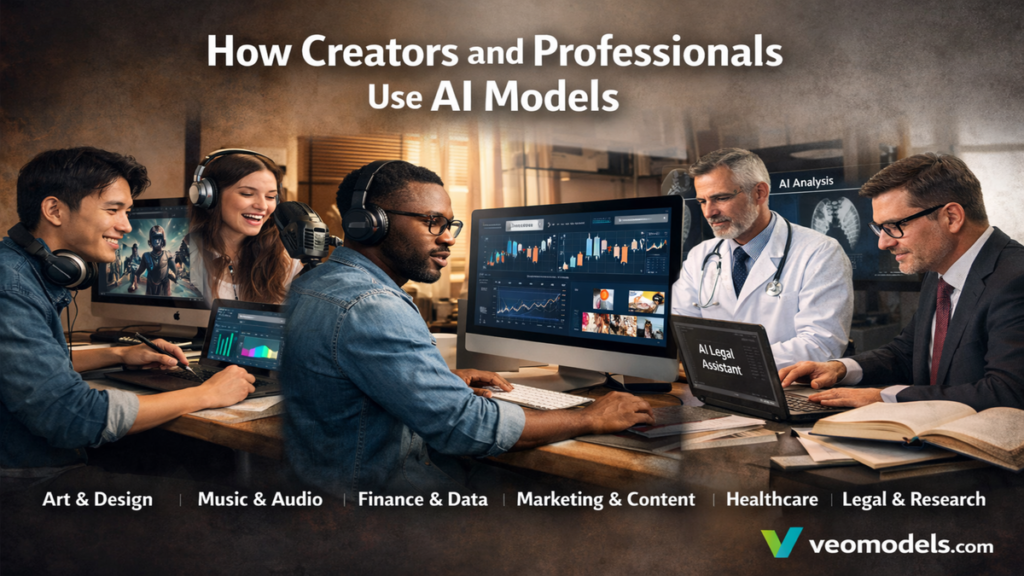

I have watched digital tools evolve from simple productivity aids into systems that now participate in creative and professional thinking itself. Over the last few years, that shift has become unmistakable. How Creators and Professionals Use AI Models is no longer a speculative question. It is a daily reality inside studios, offices, classrooms, and startups.
Within the first moments of interaction, AI models assist with writing drafts, exploring visual concepts, analyzing data, and accelerating routine decisions. For creators, these systems act like an always available collaborator. For professionals, they function as analytical amplifiers that surface patterns humans might miss. The change is not about replacement. It is about leverage.
In my work analyzing applied AI adoption, I have seen teams move faster not because AI is smarter than humans, but because it reduces friction. Tasks that once consumed hours now take minutes. Early ideas become tangible sooner. Complex information becomes easier to interpret. These gains compound across workflows.
Yet adoption is uneven. Some professionals integrate AI deeply into daily practice, while others remain cautious or overwhelmed. Understanding how creators and professionals use AI models requires looking beyond tools into habits, incentives, trust, and limits. This article explores those patterns across creative industries, knowledge work, and applied professional domains, focusing on what works, what fails, and why the distinction matters now.
From Tools to Cognitive Partners

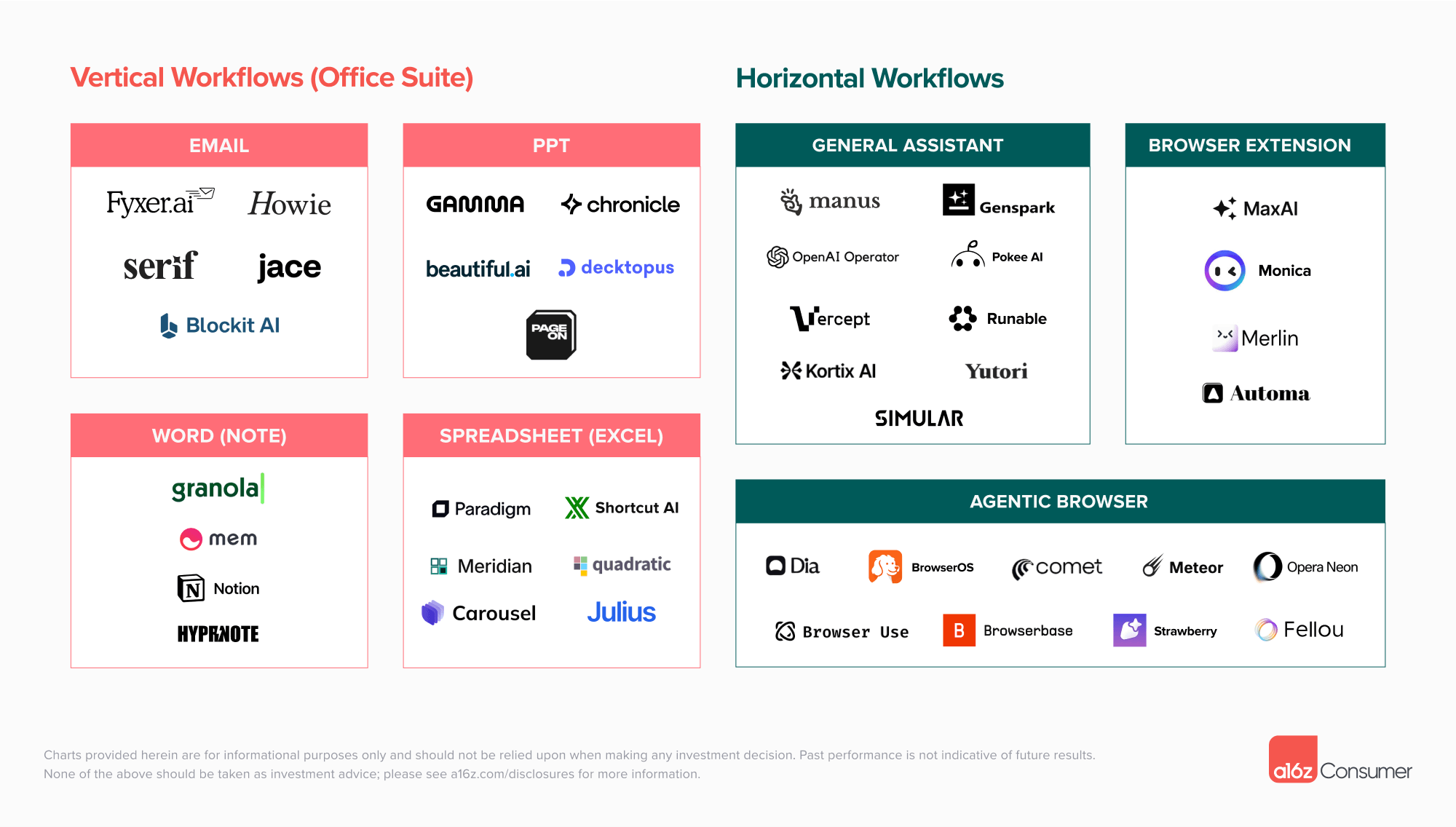

AI models began as narrow utilities. Today, many creators treat them as cognitive partners. Large language and multimodal models assist with brainstorming, outlining, and iteration rather than final execution alone.
Writers use models to explore narrative structures or alternative tones. Designers test visual directions before committing resources. Analysts ask models to summarize complex datasets or explain unfamiliar domains. The value comes from speed and breadth, not authority.
In consulting environments I have observed, professionals often describe AI as a thinking surface. It externalizes partial ideas, allowing faster refinement. This reduces the fear of starting and lowers creative inertia. Importantly, the final judgment still rests with humans. Models propose, humans decide.
This shift marks a transition from automation to augmentation. The most effective users understand that AI expands option space rather than delivering answers.
Creative Workflows in Practice

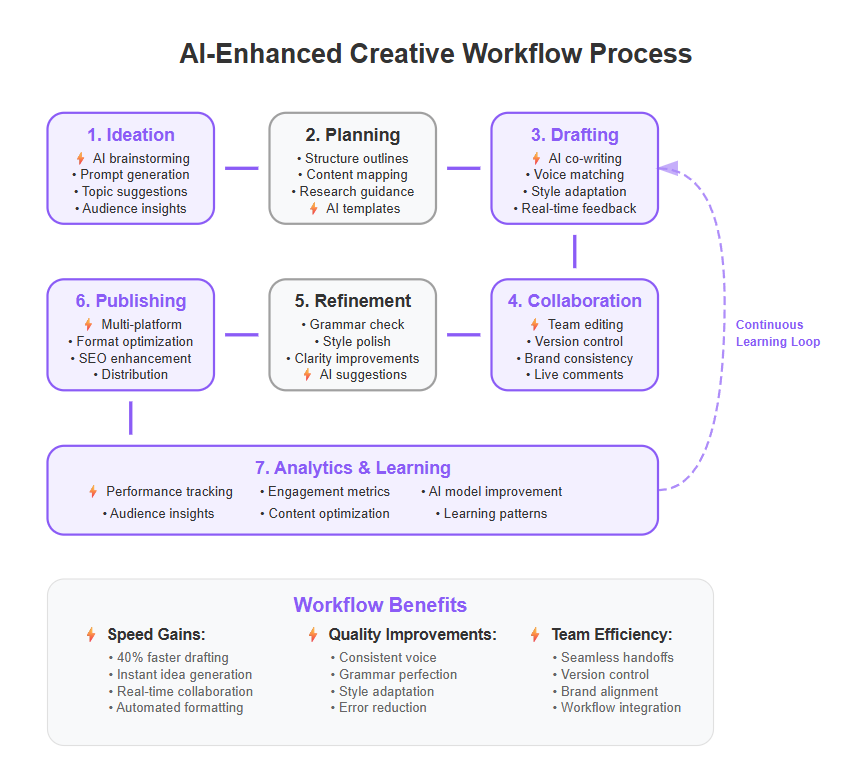

Creative professionals integrate AI at different stages of production. Early ideation remains the most common entry point. Visual artists generate rough concepts. Video creators explore storyboards. Musicians prototype melodies.
One senior designer told me, “AI does not give me the final image. It gives me ten starting points I would not have considered.”
The following table illustrates how creators commonly apply AI across disciplines.
| Discipline | AI Use Case | Human Role |
|---|---|---|
| Writing | Draft outlines, tone variation | Narrative judgment |
| Design | Concept generation, mood boards | Aesthetic decisions |
| Video | Script drafts, scene planning | Editorial control |
| Music | Melody exploration | Emotional intent |
Creatives who succeed with AI treat it as iterative material, not output to publish unchanged.
Professional Decision Support


In professional settings, AI models support decisions rather than replace expertise. Consultants summarize research. Lawyers explore precedent language. Marketers analyze customer sentiment at scale.
How Creators and Professionals Use AI Models differs here in emphasis. Accuracy, traceability, and accountability matter more than novelty. In my experience advising enterprise teams, the most effective deployments pair AI summaries with human verification layers.
A product manager at a healthcare startup noted, “AI helps me see the landscape faster, but I never act without checking the sources.”
This pattern reflects growing maturity. Professionals view AI as a first pass, not a final authority.
Education, Learning, and Skill Development
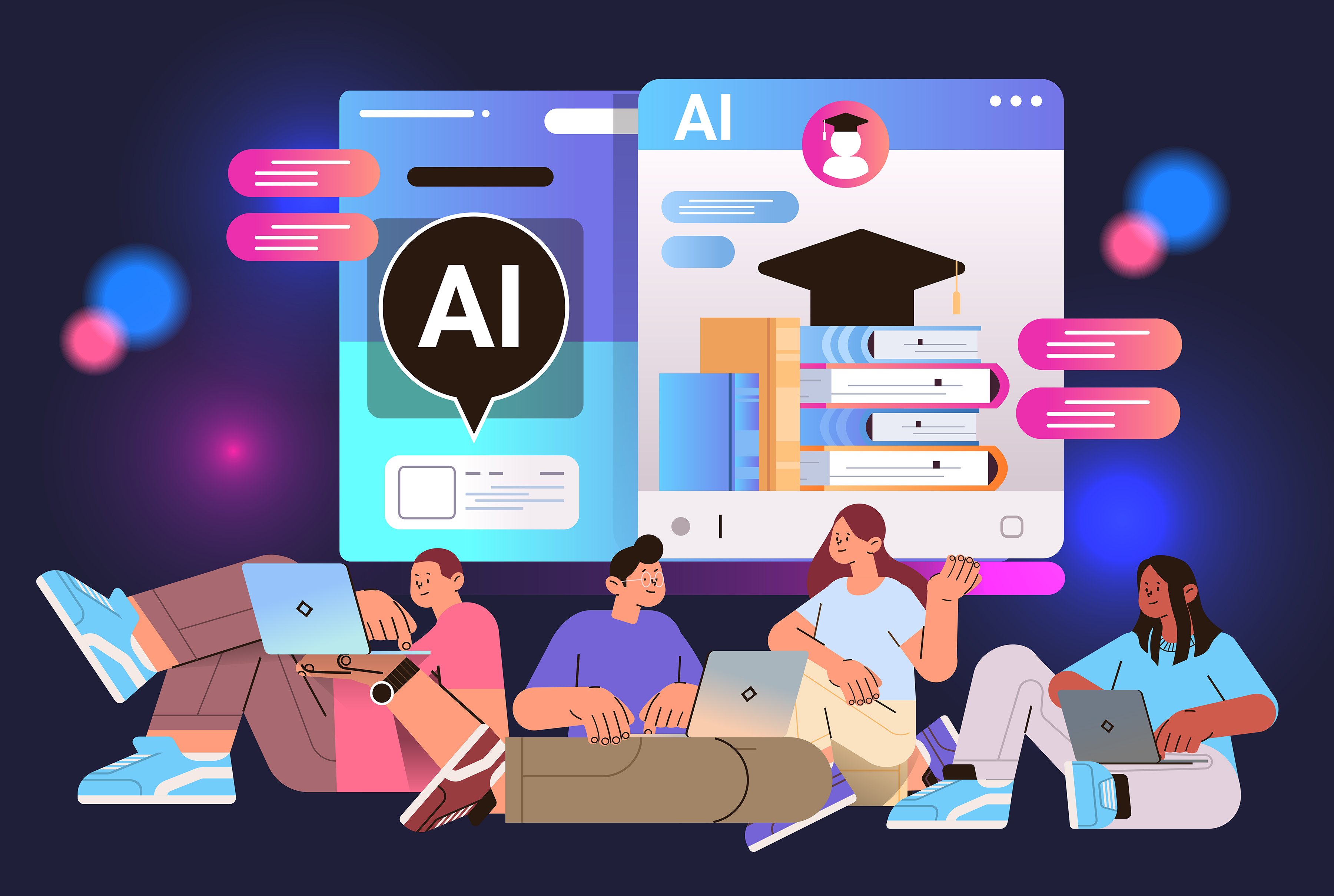


AI models increasingly function as personalized tutors. Creators learn new software faster. Professionals upskill without formal courses. Models explain unfamiliar concepts in context.
I have personally tested this in technical domains outside my training. Asking models to explain systems step by step accelerates comprehension, especially when paired with hands on practice.
However, overreliance carries risk. Passive consumption reduces deep understanding. Effective users ask follow up questions, challenge explanations, and apply knowledge immediately.
Industry Specific Adoption Patterns
Different industries adopt AI models based on tolerance for error and regulation. Creative industries move quickly. Finance and healthcare proceed cautiously.
| Industry | Adoption Speed | Primary Use |
|---|---|---|
| Media | Fast | Content ideation |
| Marketing | Fast | Campaign analysis |
| Finance | Moderate | Risk modeling support |
| Healthcare | Slow | Documentation assistance |
These differences explain why headlines often overstate universal adoption. Context matters.
Trust, Limits, and Human Oversight

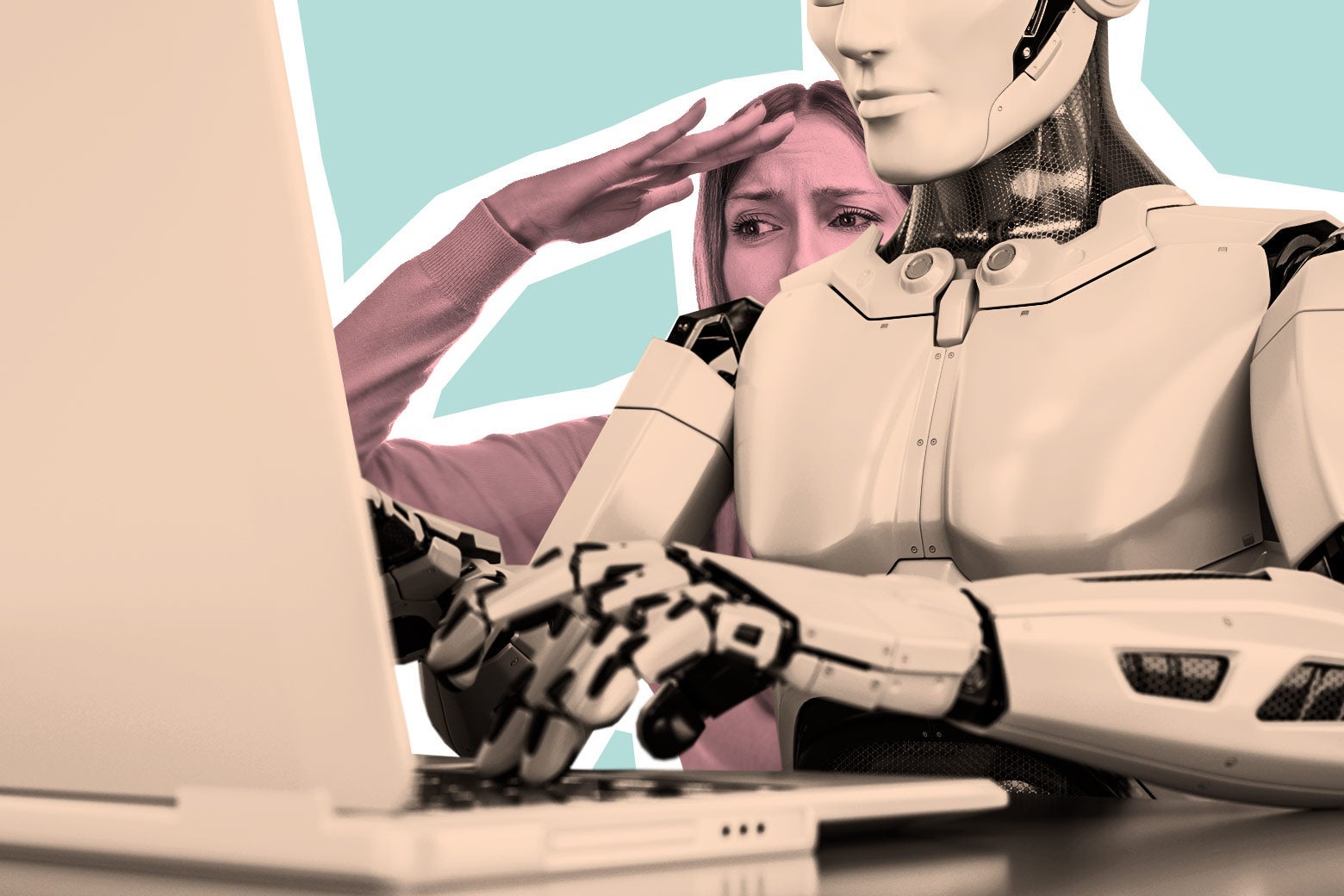
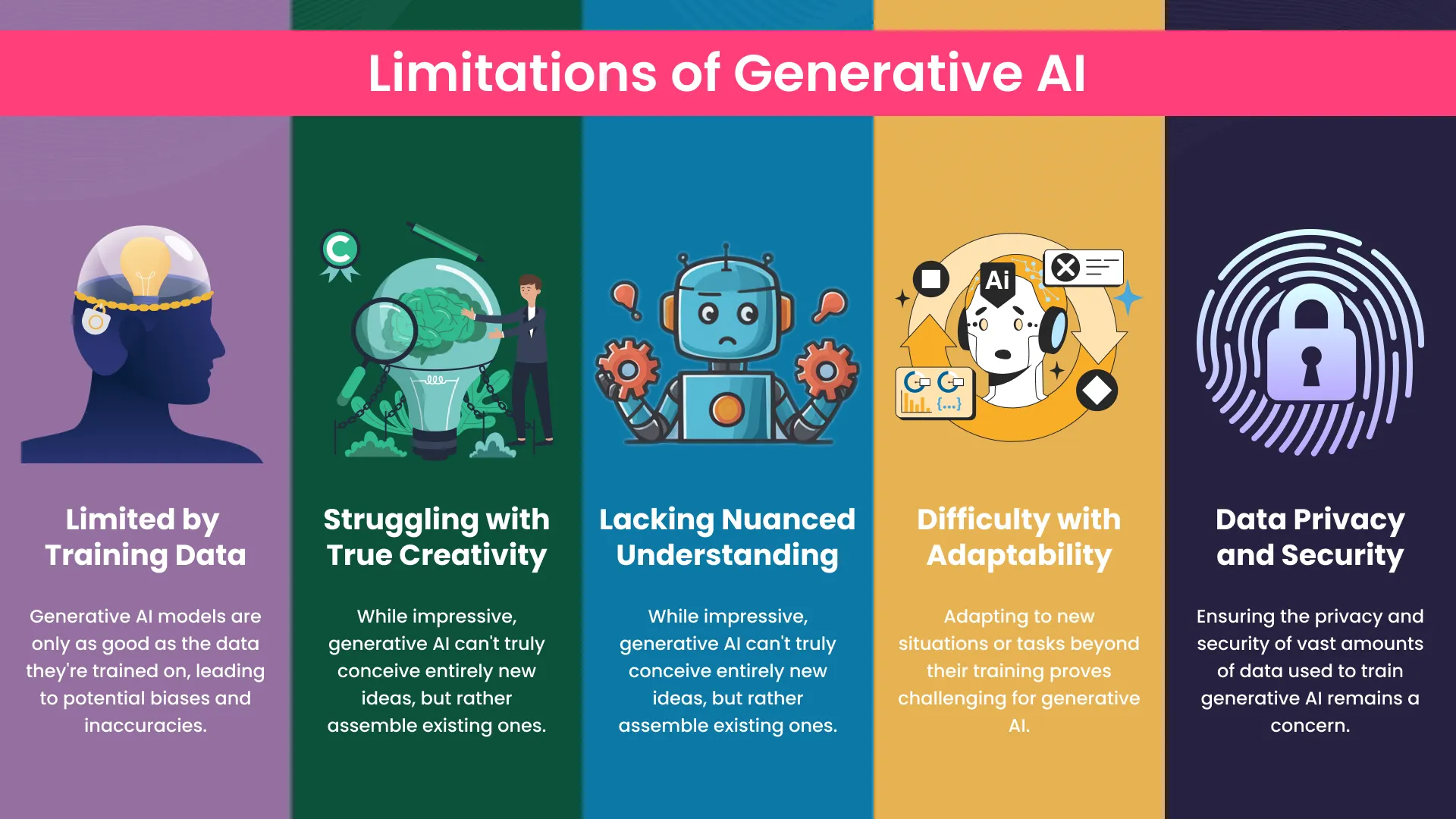
Trust determines how deeply AI integrates into work. Creators tolerate ambiguity. Professionals demand reliability.
In interviews and workshops, I repeatedly hear concerns about hallucinations, bias, and outdated knowledge. Responsible use involves verification, domain expertise, and awareness of model limits.
A data analyst summarized it well. “AI is confident even when wrong. That means I have to be humble and skeptical at the same time.”
Human oversight remains non negotiable.
Economic and Workflow Implications
How Creators and Professionals Use AI Models has economic consequences. Productivity gains reshape pricing, timelines, and expectations. Entry barriers lower. Competition increases.
Freelancers who adopt AI often deliver faster. Teams without AI struggle to match pace. This creates pressure to adapt even among skeptics.
From a labor perspective, the advantage accrues to those who combine domain expertise with AI fluency. Models reward judgment, not raw output.
Ethical and Creative Identity Questions


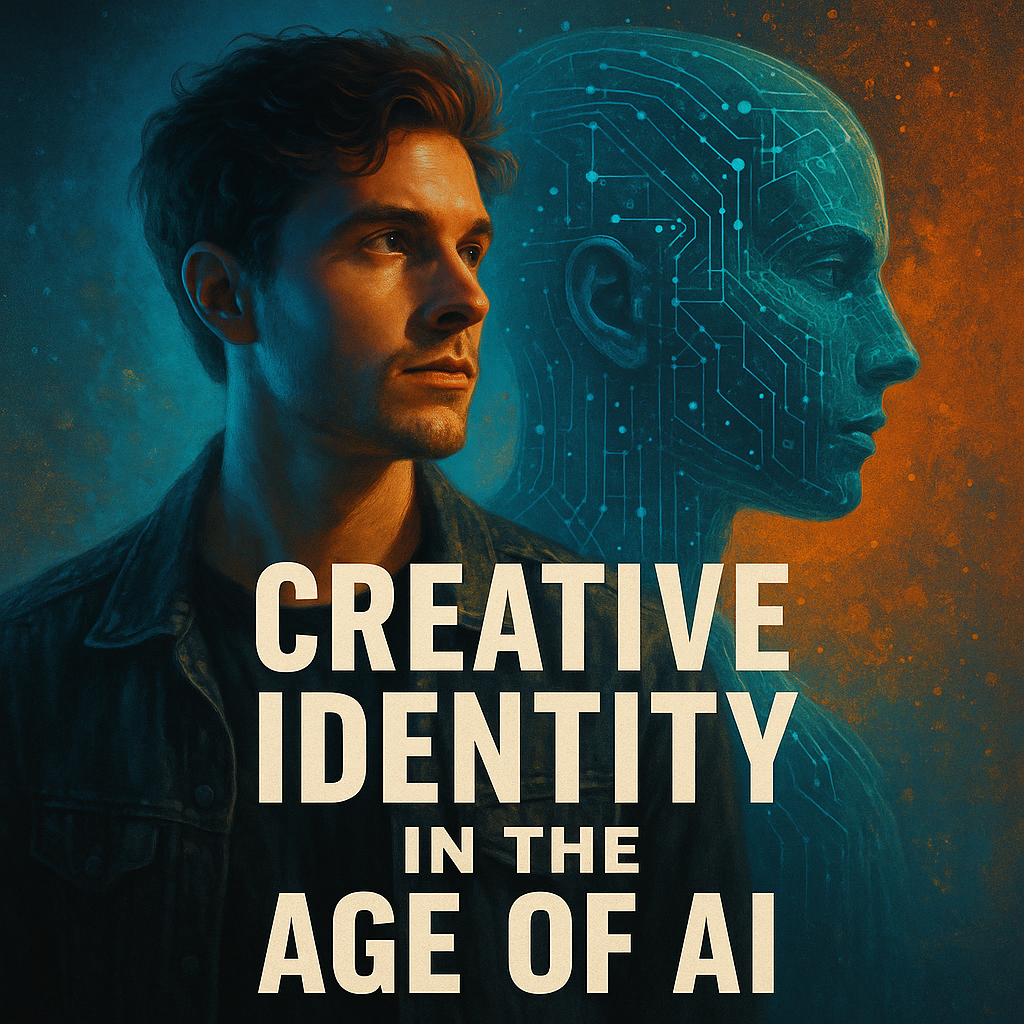
AI challenges notions of authorship and originality. Creators ask whether using models dilutes personal voice. Professionals question accountability.
In my observation, identity concerns fade with experience. Users recognize that intention, selection, and refinement define authorship, not the absence of tools.
Ethical practice depends on transparency, attribution where required, and respect for original sources.
The Near Future of Applied AI Use
AI models will become more contextual, multimodal, and embedded. Workflows will feel less like prompting and more like conversation.
Professionals will rely on persistent AI assistants tuned to specific domains. Creators will blend AI output seamlessly with human craft.
The winners will not be those who use AI the most, but those who use it thoughtfully.
Key Takeaways
- AI models act as collaborators, not replacements
- Early ideation remains the most valuable use case
- Verification and oversight define professional adoption
- Skill development accelerates with active engagement
- Industry context shapes risk tolerance
- Human judgment remains the core differentiator
Conclusion
I see the current moment as transitional rather than final. How Creators and Professionals Use AI Models continues to evolve as tools mature and norms stabilize. The real transformation lies not in automation, but in amplification.
Creators gain freedom to explore more ideas. Professionals gain clarity faster. Both gain leverage, provided they maintain responsibility and discernment. AI rewards curiosity paired with skepticism.
The future of work will not belong to machines or humans alone. It will belong to those who understand how to think with machines without surrendering agency. That balance, more than any tool, defines sustainable advantage.
Read: AI in Education and Personalized Learning Systems
FAQs
How do creators use AI models without losing originality?
They treat AI as a starting point and apply personal judgment, style, and revision.
Are AI models reliable for professional decisions?
They support decisions but require verification and human accountability.
Which professionals benefit most from AI today?
Knowledge workers handling large information volumes see the fastest gains.
Do AI models replace learning new skills?
No. They accelerate learning but do not replace practice or understanding.
Is AI adoption necessary to stay competitive?
Increasingly yes, especially in fast moving creative and analytical fields.