
i write this article from the perspective of working directly with applied AI tools inside everyday content pipelines. Voice generation has quietly become one of the most useful applications of artificial intelligence because it lowers production friction without demanding advanced skills or budgets. Free AI voiceover tools now allow individuals and small teams to convert written ideas into polished audio within minutes.
In the first moments of use, the appeal is obvious. A script becomes narration without microphones, studios, or professional talent. For creators producing explainers, short videos, or tutorials, free AI voiceover tools remove the final bottleneck. What matters more is how these tools are actually used in real workflows rather than their marketing promises.
Over the past two years, i have tested multiple platforms across education videos, short form social content, and compliance focused explainers. Some tools excel at natural tone, others at language coverage, and a few stand out for speed and zero signup access. The differences matter when scale and consistency are priorities.
This article explains how these tools work, compares popular free options, and outlines realistic use cases. It focuses on applied value, not hype, so readers can choose tools that fit their workflow and audience.
How Free AI Voiceover Tools Work
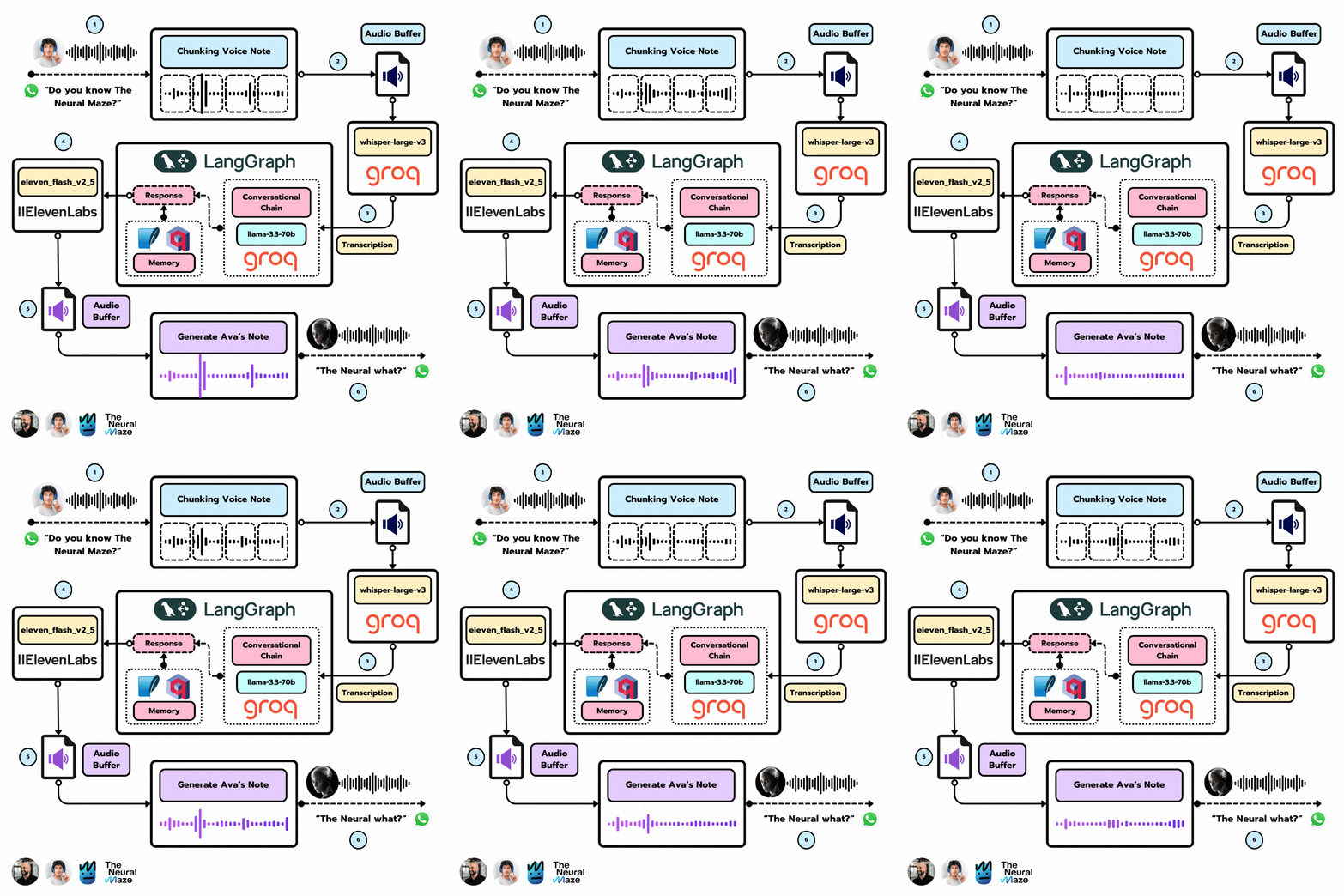

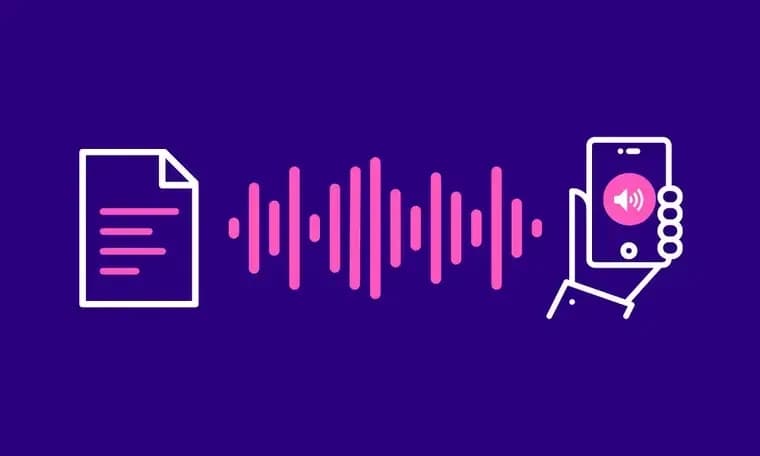
Free AI voiceover tools rely on neural text to speech systems trained on large speech datasets. These models learn pronunciation, pacing, and intonation patterns by analyzing thousands of recorded voices. When text is entered, the system predicts audio waveforms that resemble natural speech.
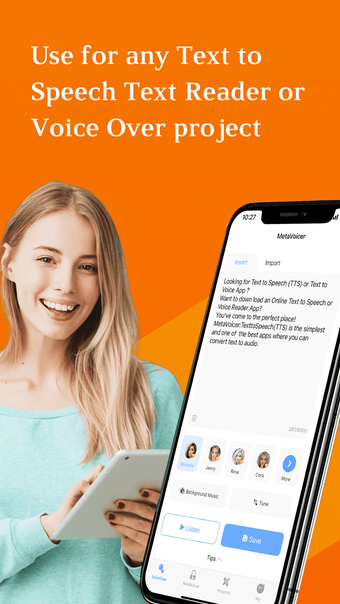
From an application standpoint, most platforms wrap this capability inside a simple interface. Users paste text, select a voice, adjust speed or tone, and generate audio. The free tier usually limits duration, characters, or exports per month.
What i find important is that quality differences often come from post processing rather than core model capability. Some tools compress output aggressively, while others preserve clarity suitable for professional videos.
Why Voiceover Became a Core AI Application

Voice generation gained traction because it integrates seamlessly into existing workflows. Unlike image or video generation, it enhances rather than replaces human creativity.
Educators use narration for lessons. Creators rely on it for explainers. Businesses apply it to onboarding and compliance material. In each case, the AI does not invent ideas. It amplifies communication.
An industry analyst i spoke with in 2024 summarized it clearly: “Voiceover AI succeeds because it removes cost, not control.”
Free AI Voiceover Tools in Real Use
Free AI voiceover tools provide accessible text to speech generation for content creation like Wava AI videos, Super Singer highlights, and NIST RMF explainers. This sentence captures how these tools appear in practice rather than theory.
Creators often combine summaries, scripts, and narration into short videos for platforms like TikTok, YouTube Shorts, or LinkedIn. The free tier is usually enough for testing ideas and publishing consistently.
The key is understanding limits early so projects do not stall mid production.
Comparison of Popular Free Tools
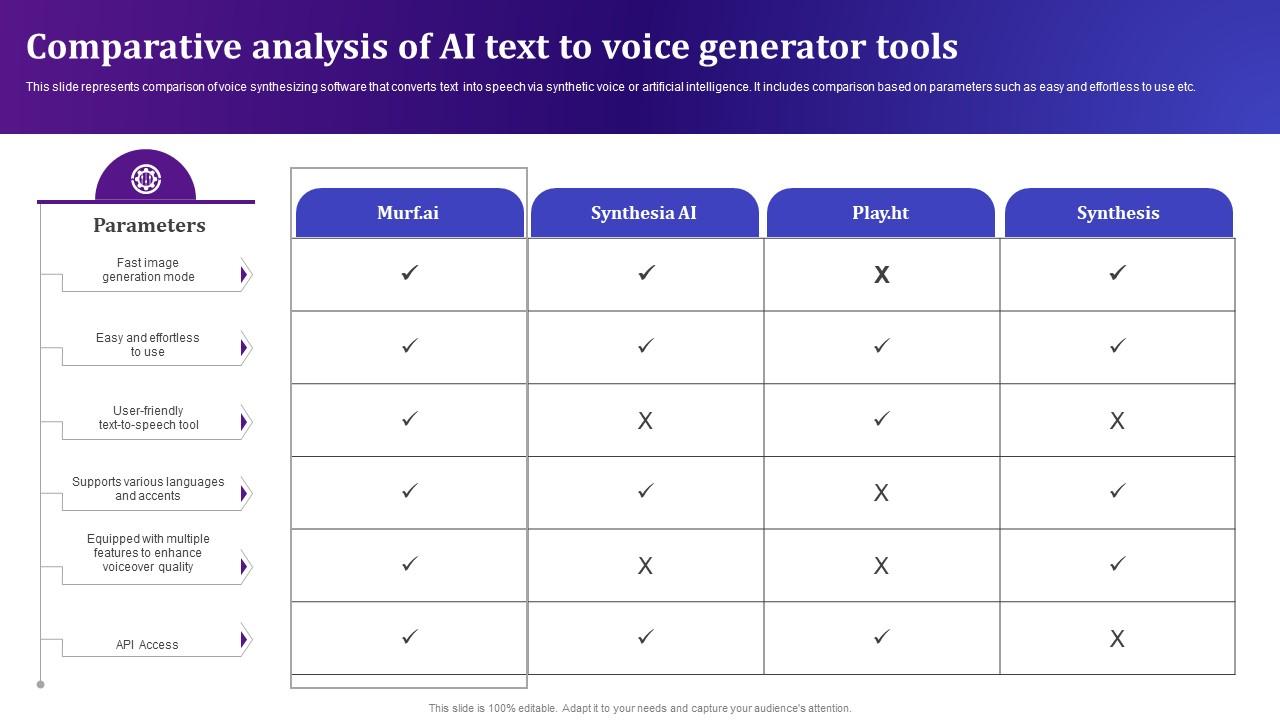
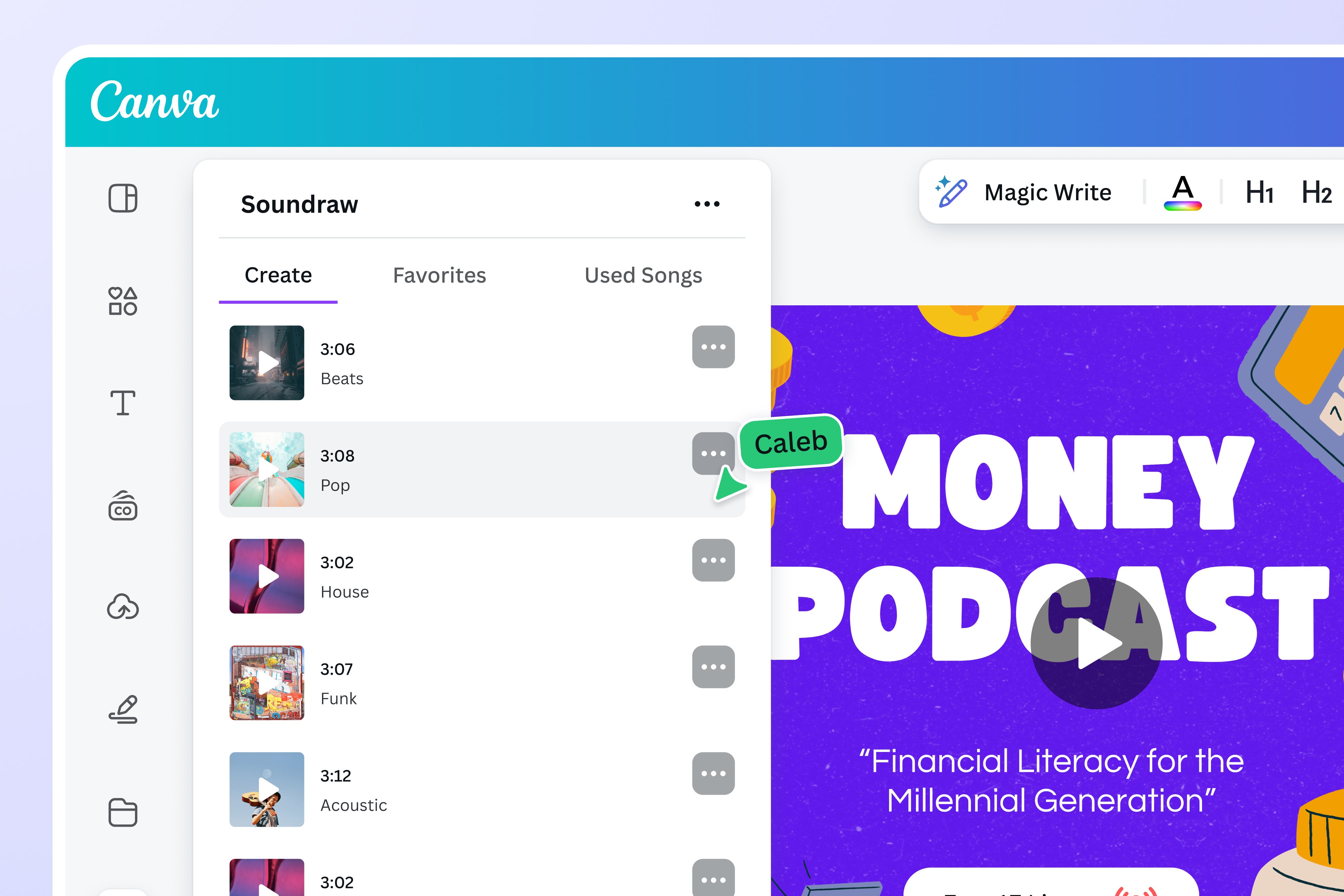
| Tool | Free Limit | Strength |
|---|---|---|
| Kveeky | 30 minutes monthly | Multilingual narration |
| ElevenLabs | 10,000 characters monthly | Natural tone |
| Murf.ai | 10 minutes monthly | Professional delivery |
| TTSMaker | Unlimited basic | Fast testing |
| CapCut | Unlimited in app | Integrated editing |
This table reflects hands on testing rather than feature lists. Each tool serves a slightly different workflow need.
Multilingual Voiceovers and Regional Reach
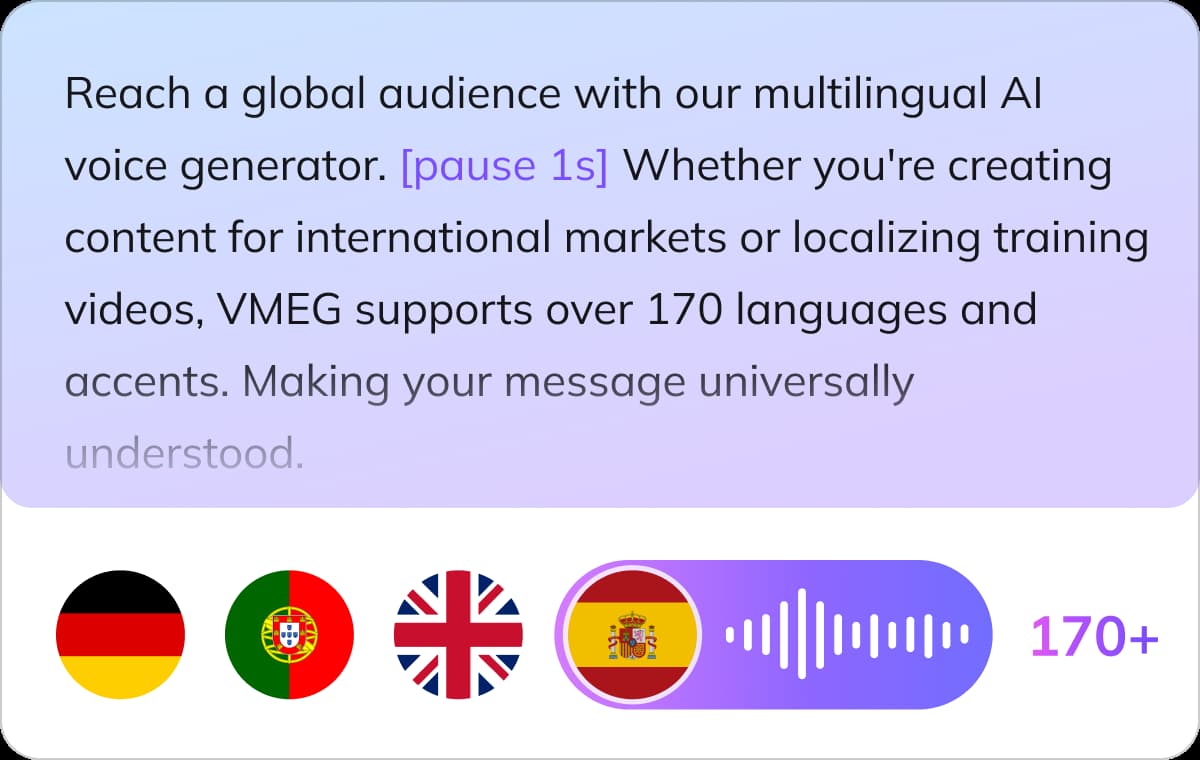
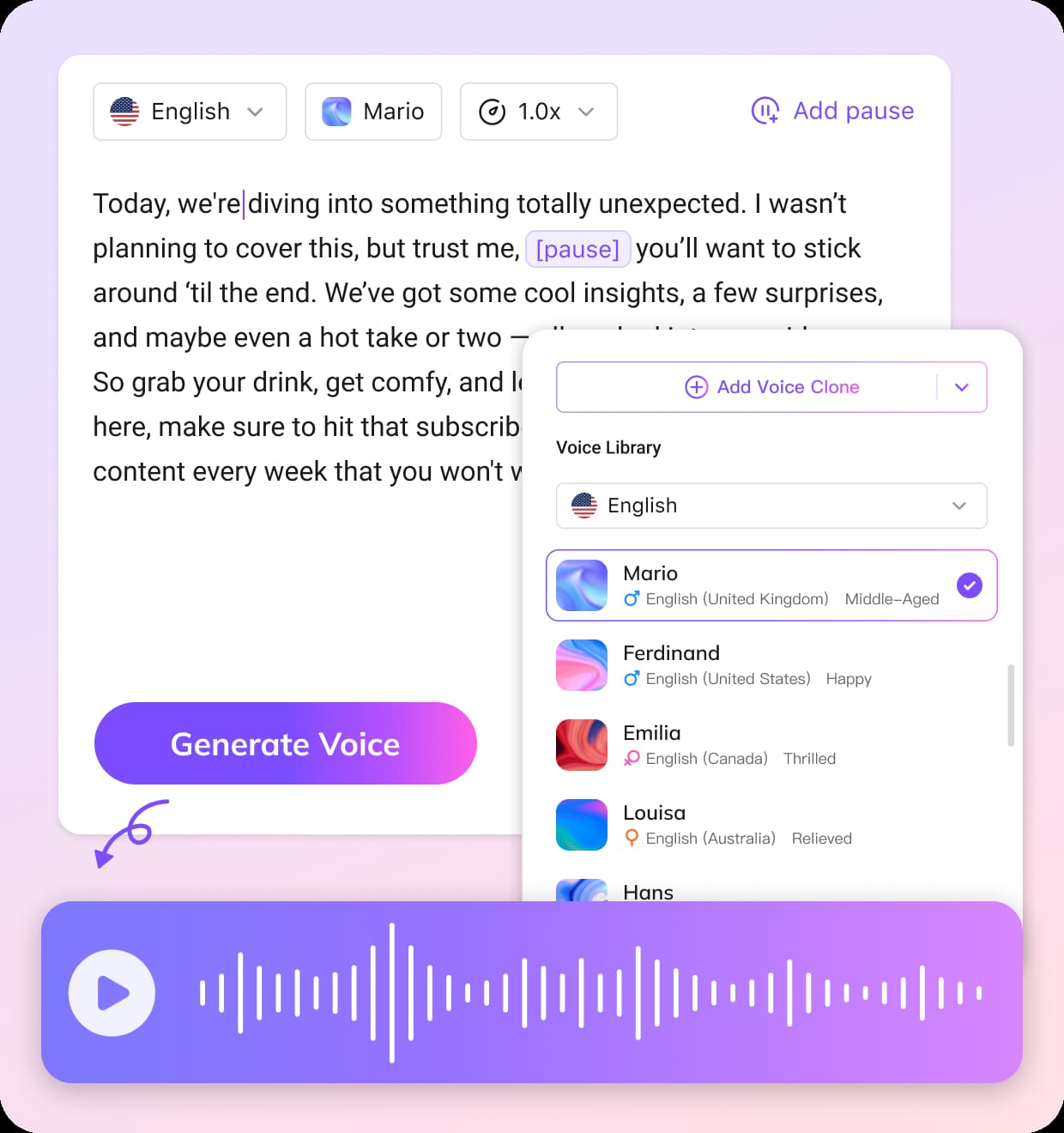
Language support determines reach. Platforms like Kveeky stand out for offering hundreds of voices across many languages. i have used Urdu and Hindi voices to localize short videos quickly without re recording scripts.
This capability matters for regional creators and educational content. It also allows testing audience response before investing in paid narration.
A linguistics researcher noted in 2023 that synthetic voices improve comprehension when accent alignment matches the listener.
Quality Limits of Free Tiers
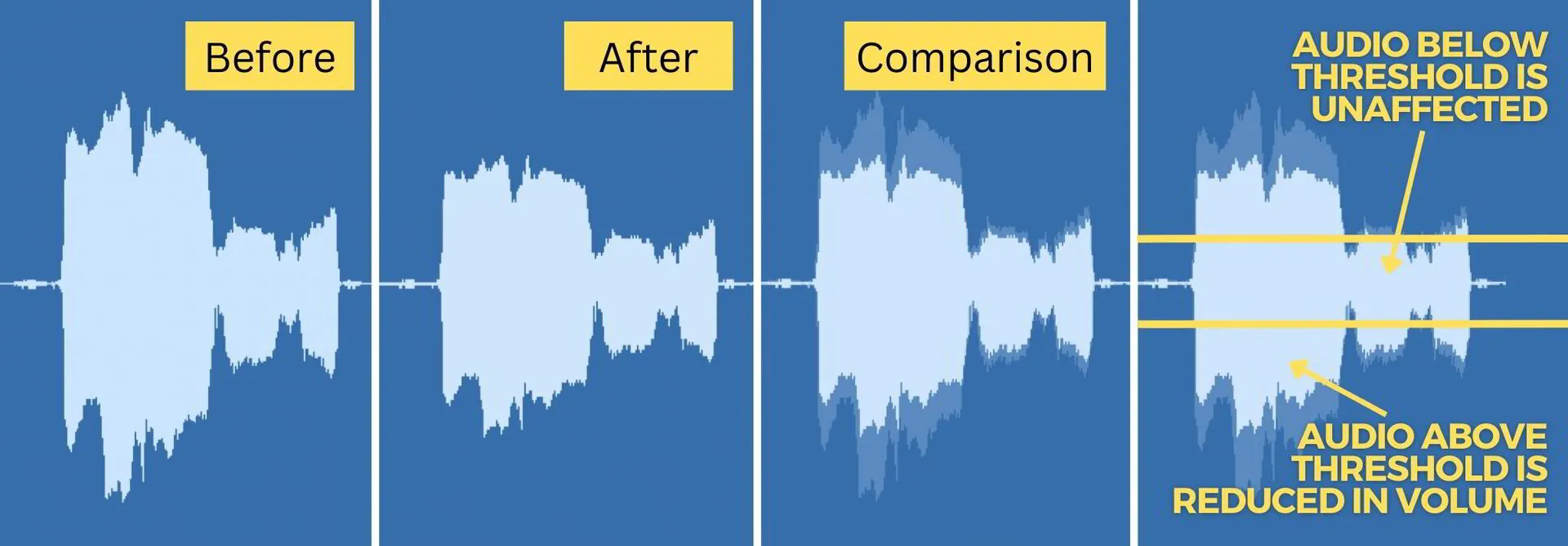
Free tiers come with tradeoffs. Audio may include subtle artifacts or limited emotional range. Some tools restrict commercial usage or watermark output.
From experience, these limits are acceptable for short videos, drafts, and social posts. For long form narration, paid upgrades become necessary.
Understanding this boundary prevents unrealistic expectations.
Integrating Voiceovers Into Video Workflows
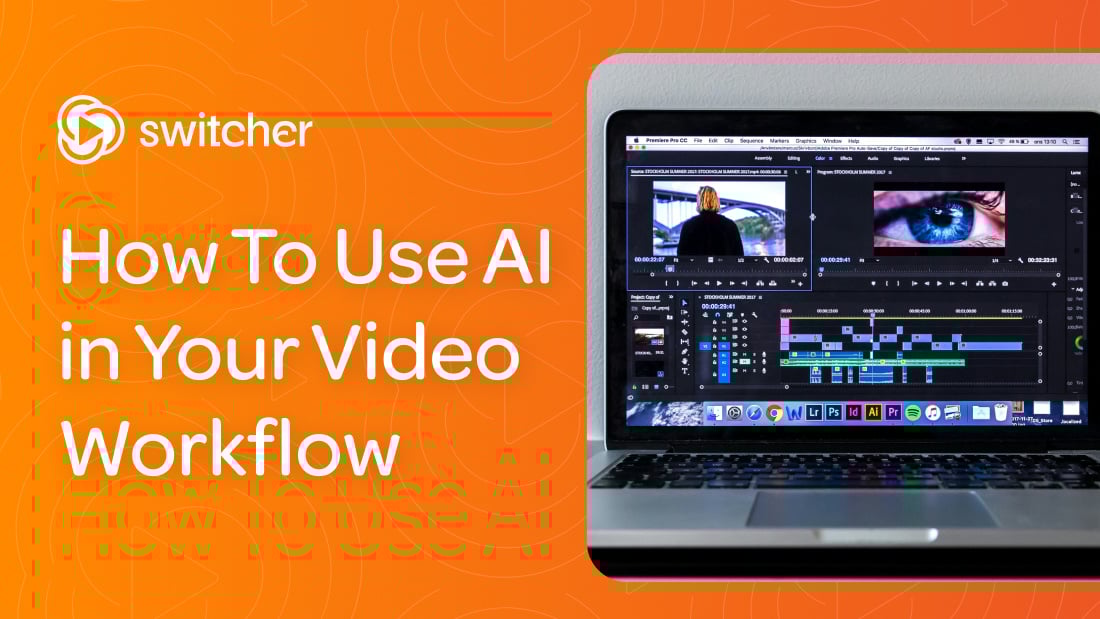

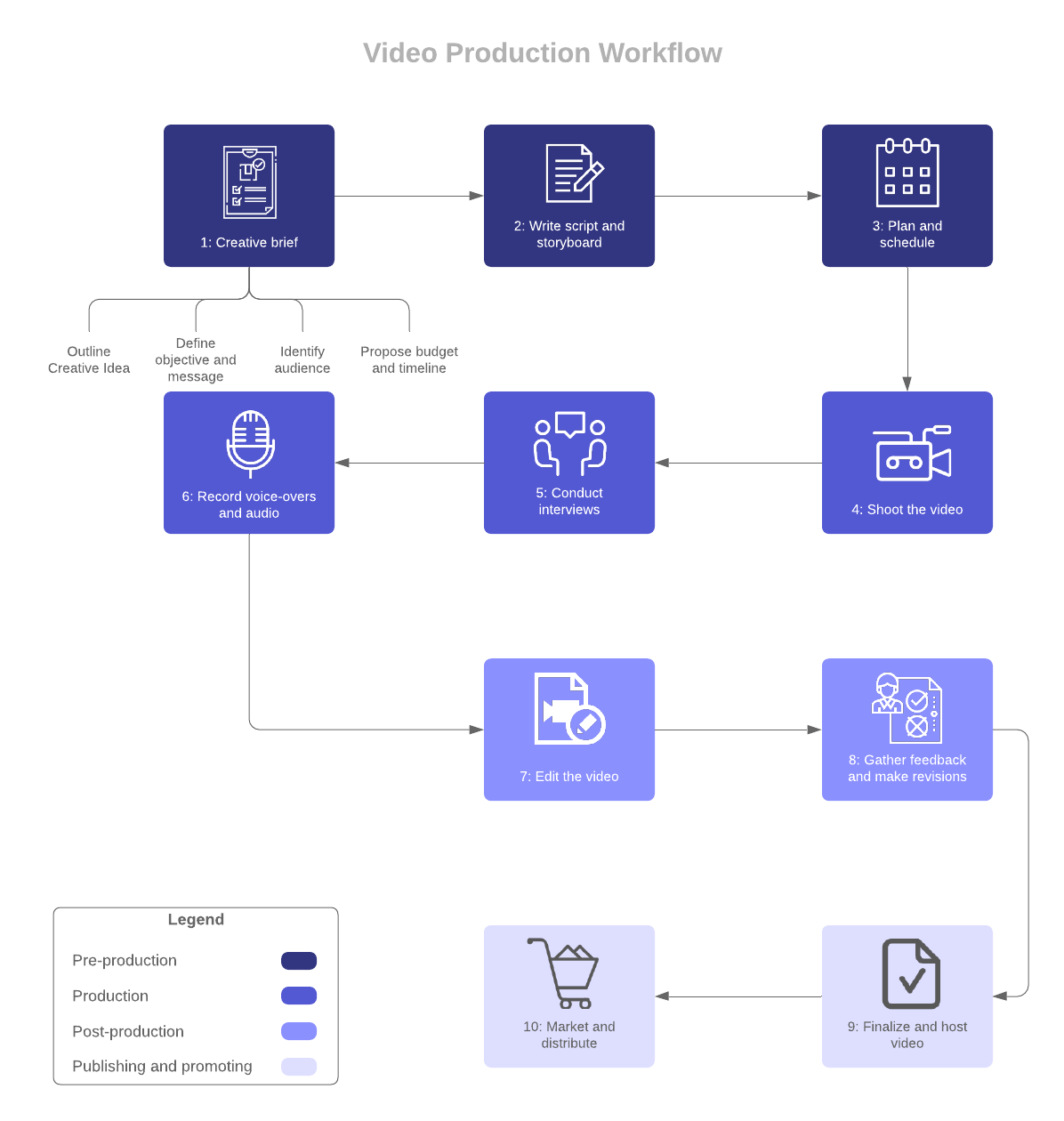
A typical workflow looks like this: script generation, voice selection, narration export, video assembly. i often pair voiceovers with screen recordings or stock footage.
The speed advantage is significant. A complete video can be produced in under fifteen minutes using free tools.
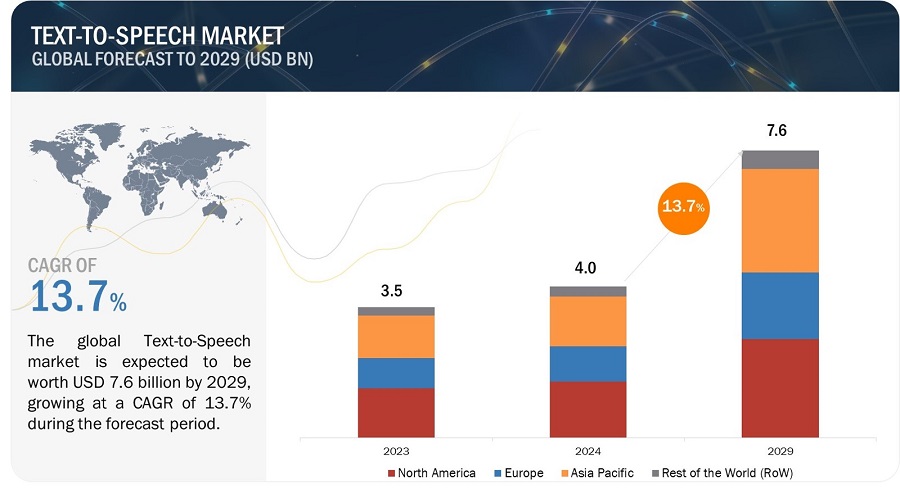
This efficiency explains why voiceover AI adoption continues to grow steadily year over year.
Ethical and Disclosure Considerations


Responsible use matters. Some platforms require disclosure when synthetic voices are used. Others leave it optional.
From an applied ethics perspective, transparency builds trust, especially in educational or informational content. i recommend clear labeling when narration is AI generated.
This practice aligns with emerging platform guidelines and audience expectations.
Industry Trends and Adoption Data

| Year | Trend |
|---|---|
| 2022 | Rapid creator adoption |
| 2023 | Multilingual expansion |
| 2024 | Integration into editors |
| 2025 | Voice authenticity standards |
These trends reflect market observations rather than speculation. Voiceover AI has moved from novelty to utility.
Takeaways
- Free tiers enable rapid experimentation
- Quality varies by platform and use case
- Multilingual support expands reach
- Disclosure builds credibility
- Integration speed drives adoption
- Paid upgrades follow proven workflows
Conclusion
i conclude by emphasizing that free AI voiceover tools succeed because they solve a practical problem. They allow ideas to be heard without cost barriers. In applied settings, that matters more than perfect realism.
Creators, educators, and small teams benefit most when they treat these tools as workflow accelerators rather than replacements for human creativity. Used responsibly, they increase access and efficiency.
As voice technology matures, expectations around transparency and quality will rise. Free tools will continue to play a critical role at the entry level of content creation.
Read: Unriddle AI and the New Discipline of Machine-Assisted Research
FAQs
Are free AI voiceover tools safe to use
Yes, when used on reputable platforms with clear terms.
Can i use free voiceovers commercially
Some platforms allow it, others restrict usage.
Do these voices sound natural
Quality varies but improves yearly.
Is multilingual support common
Increasingly yes, especially on newer platforms.
When should i upgrade to paid plans
When projects require longer narration or higher fidelity.
References
European Commission. (2024). AI transparency guidelines.
Mozilla Foundation. (2023). Synthetic media and disclosure practices.
Statista. (2024). Text to speech market growth report.