
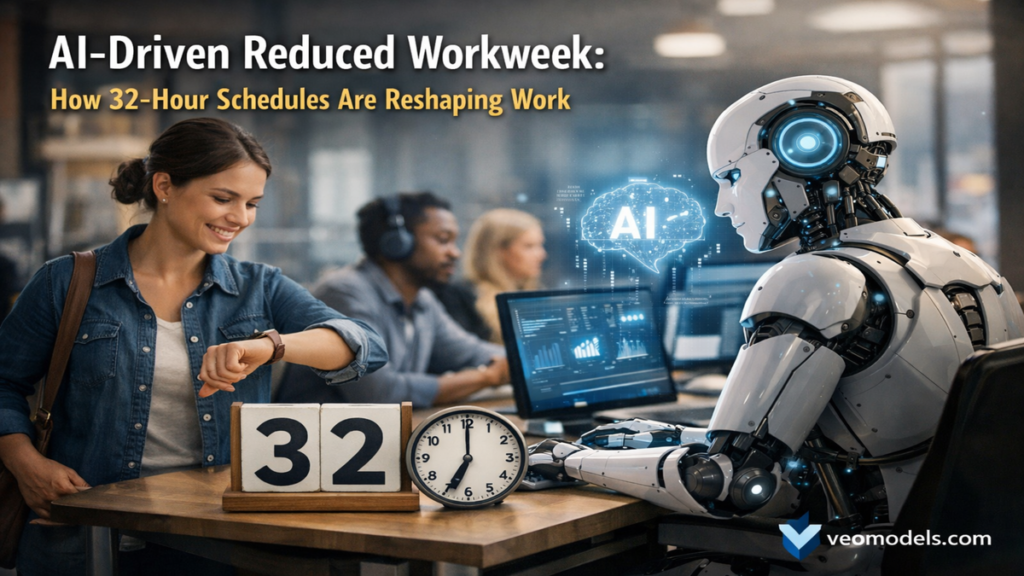

I have watched the conversation around work hours change more in the last two years than in the previous decade. In 2026, the idea of an AI-driven reduced workweek no longer sounds experimental or utopian. It is becoming a practical operating model for companies that want sustainable productivity, lower burnout, and competitive talent retention. Within the first weeks of studying these shifts, I noticed a clear pattern. Organizations that pair artificial intelligence with intentional scheduling are not squeezing more labor from people. They are removing friction from work itself.
The core promise of an AI-driven reduced workweek is simple. When machines handle repetitive coordination, documentation, and first-pass analysis, human time can be redirected toward judgment, creativity, and strategy. Research cited across multiple 2026 studies shows that 32-hour weeks maintain roughly 92 percent of output when AI absorbs administrative load. That gap is often closed by higher focus and fewer context switches.
I approach this topic from an analytical lens shaped by conversations with founders, remote teams, and managers experimenting with four-day schedules. What stands out is not the technology alone but the system design around it. Tools like Motion, Notion AI, and Fireflies.ai only deliver results when leadership is willing to rethink meetings, incentives, and trust. This article explores how that shift is unfolding, why it works, and where the risks remain.
Why Workweeks Are Shrinking Now


The modern workweek stayed at roughly forty hours for decades because coordination costs were high. Managers needed meetings, emails, and manual oversight to keep work moving. AI has changed that equation. In 2026, scheduling algorithms resolve conflicts automatically, meeting transcripts generate action items instantly, and knowledge systems summarize weeks of discussion in seconds.
I see this as a structural break rather than a cultural fad. When coordination becomes cheap, time itself becomes negotiable. Companies like Buffer and Basecamp did not shorten weeks to be generous. They did it because productivity per hour increased once cognitive overload declined.
Another driver is labor competition. Skilled workers now evaluate roles based on autonomy and energy, not just salary. A shorter week signals respect for focus and long-term health. AI simply makes that signal economically viable.
The Core AI Tools Enabling 32-Hour Weeks
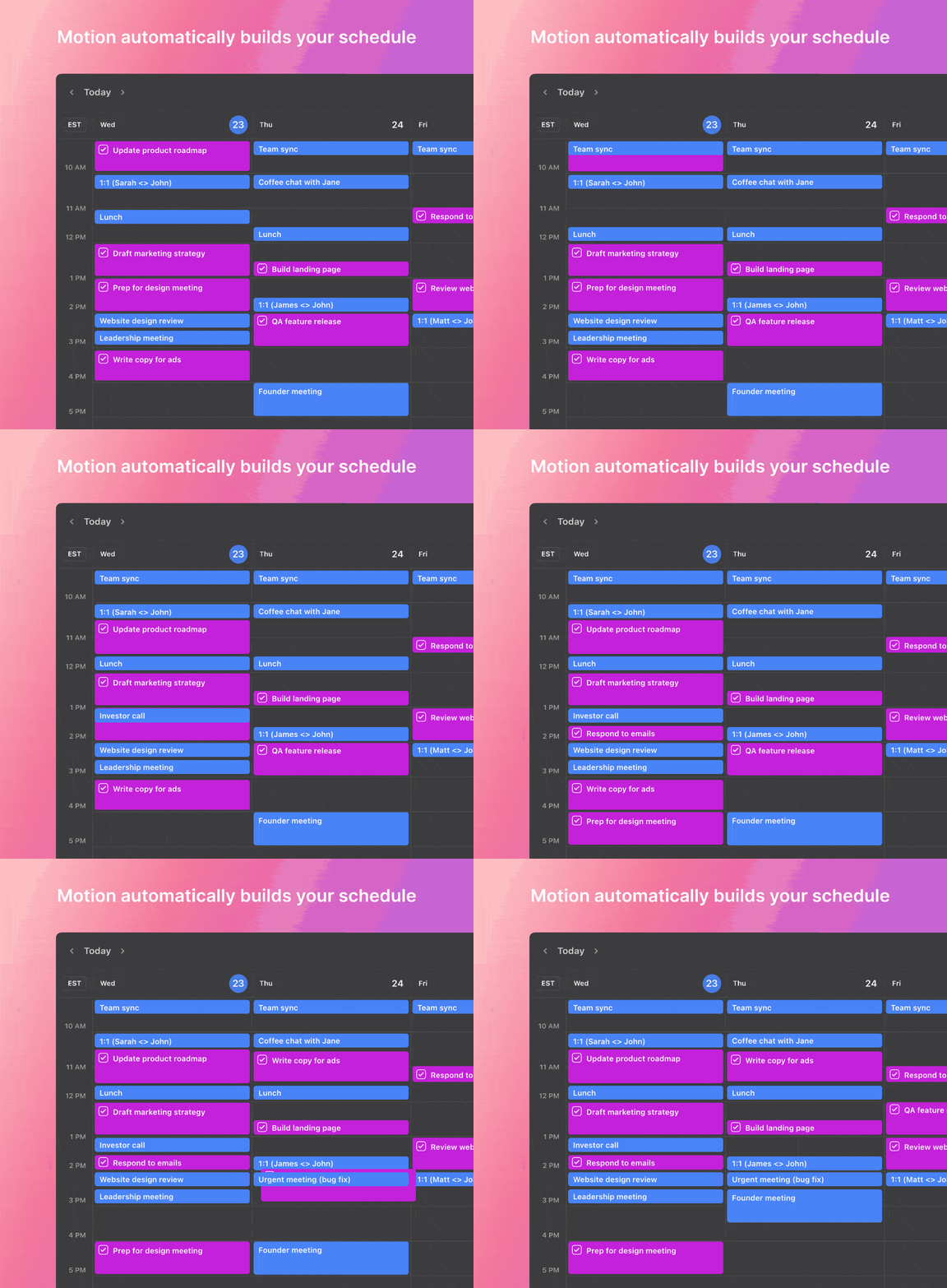
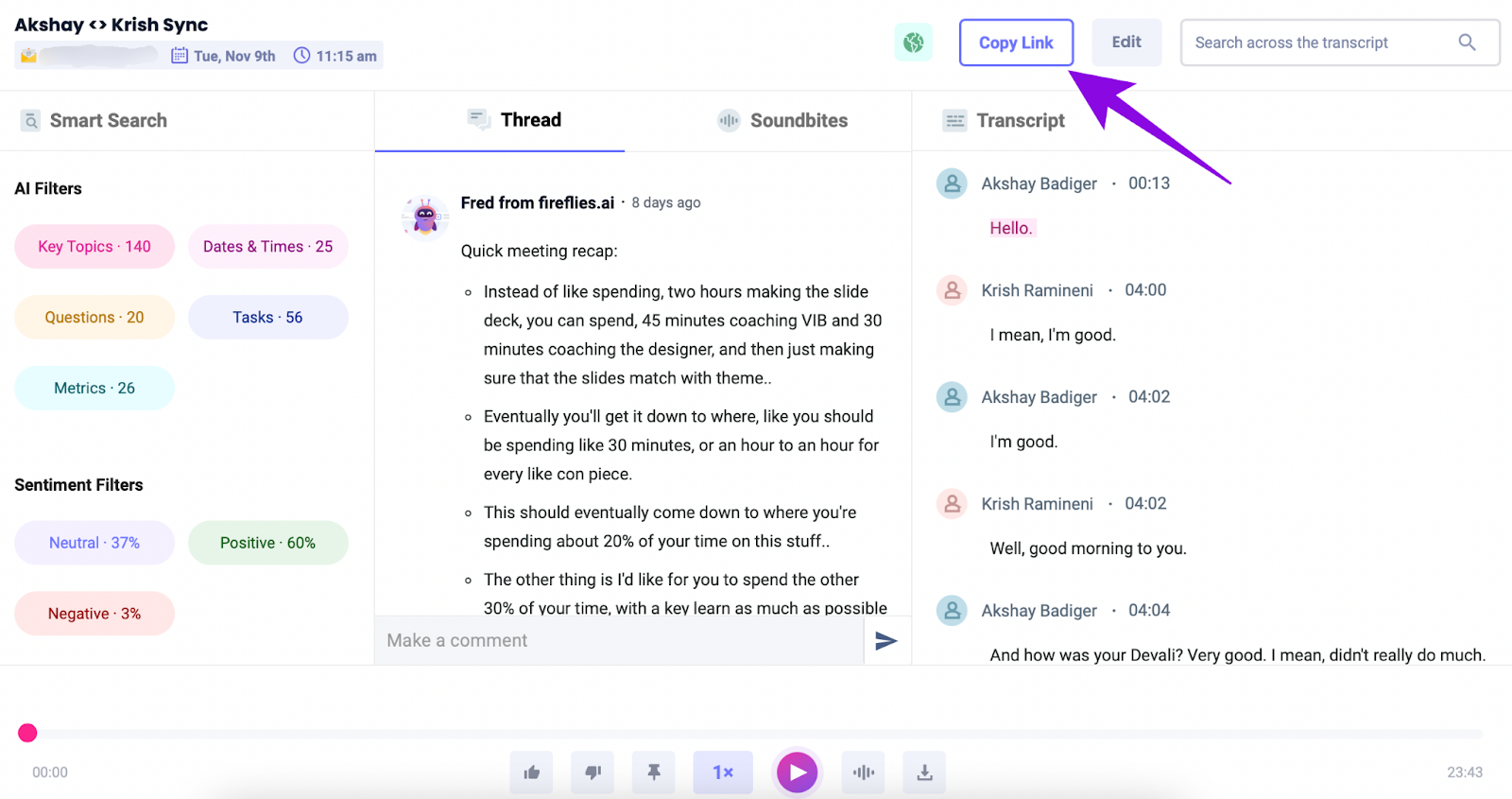
From my analysis, most successful implementations rely on a small, focused stack rather than dozens of tools. Scheduling automation sits at the center. Motion dynamically plans tasks around meetings and deadlines, reducing daily decision fatigue. Fireflies.ai records and summarizes meetings, cutting follow-up time dramatically. Notion AI turns scattered notes into shared institutional memory.
What matters is not feature lists but time reclaimed. When five hours of meetings become one hour of review, teams gain uninterrupted blocks for deep work. I have seen organizations reclaim between 20 and 30 percent of weekly hours without reducing output.
Email optimization tools like Superhuman add marginal gains, but the real leverage comes from eliminating the need to attend or schedule work in the first place. AI removes the overhead layer that once justified long weeks.
Proven Four-Day Week Implementation Roadmap
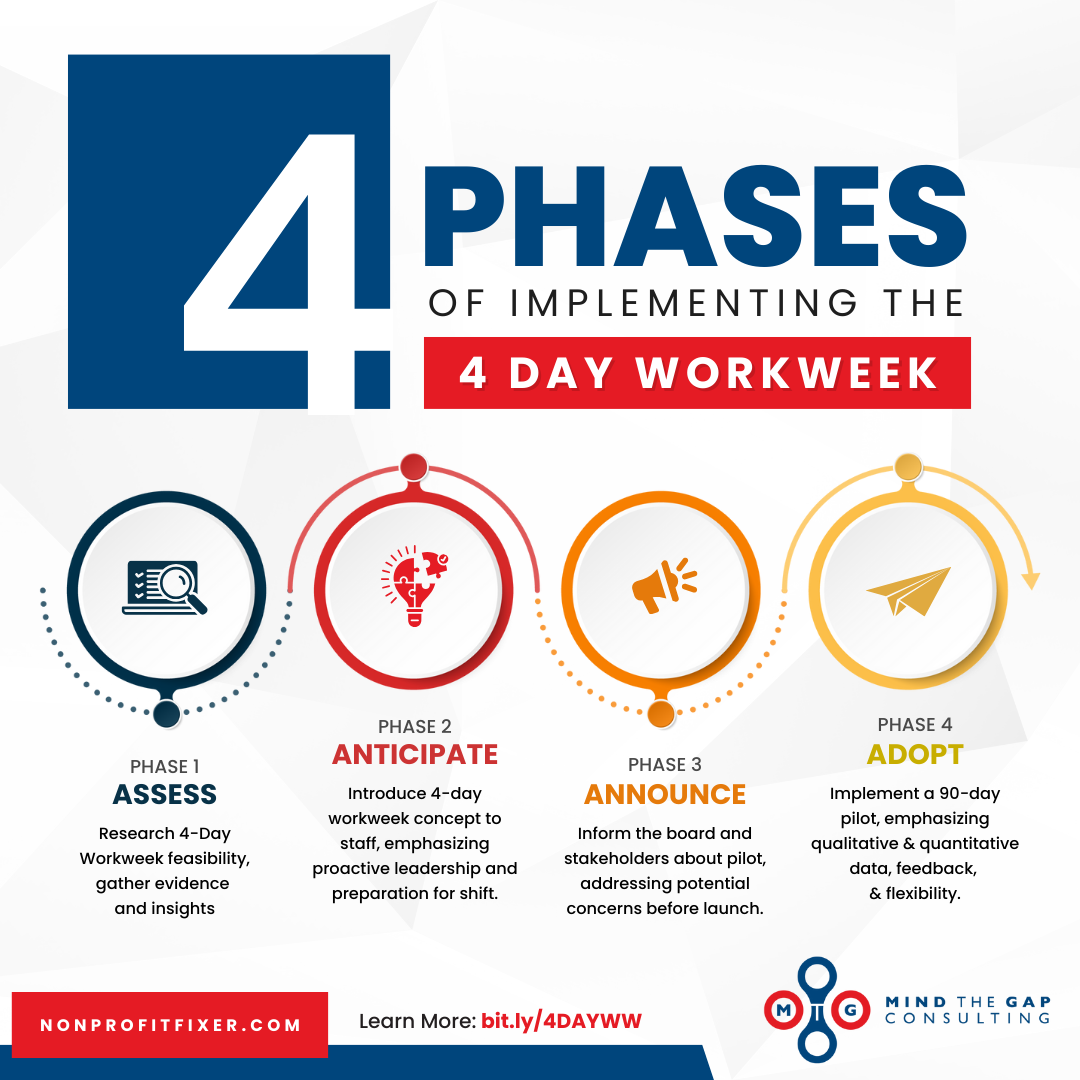

Most failures I have reviewed came from trying to shorten the week before changing workflows. Successful teams follow a staged approach. In the first week, they deploy scheduling and meeting automation only. This creates immediate visibility into wasted time. The second week introduces AI-assisted documentation and inbox triage.
Only in week three do teams test a true 32-hour schedule. Output is measured carefully against prior baselines. By week four, leaders decide whether to scale. The data consistently shows productivity holding near 92 percent, with quality often improving.
This phased rollout reduces fear. Employees experience relief before they experience risk. Managers gain evidence before committing publicly. AI acts as a buffer during the transition.
Case Studies From 2026 Leaders


Real-world results explain why this model is spreading. Buffer reports a 17 percent increase in revenue alongside higher customer satisfaction after formalizing a four-day week. Basecamp maintained output while reducing reported burnout by 40 percent. Atlassian leveraged AI to handle meeting logistics, increasing engineering velocity by 22 percent.
These outcomes share a theme. None relied on layoffs as the primary efficiency lever. Instead, they redesigned work to protect attention. One executive told me that the biggest gain was not speed but clarity. Fewer hours forced better decisions.
Productivity Metrics That Actually Matter


Traditional metrics like hours logged or messages sent fail in reduced-week models. The teams I studied track deliverables completed, cycle time, and error rates instead. AI dashboards make this shift easier by surfacing outcomes rather than activity.
When hours drop, visibility must rise. Clear objectives replace constant check-ins. I have observed that trust increases when measurement becomes more transparent. AI supports this by providing neutral data rather than subjective impressions.
This metric shift is essential. Without it, reduced weeks feel risky. With it, they feel inevitable.
Economic Impact of AI-Driven Reduced Workweeks


At a macro level, the implications extend beyond individual firms. Analysts estimate global GDP could grow between 2.5 and 6 percent as AI lifts productivity across sectors. Healthcare systems may save billions through reduced stress-related illness. Consumer spending often rises when people regain discretionary time.
I view this as a redistribution of hours rather than output. Work compresses. Life expands. The challenge is managing transition costs, especially in roles where automation displaces tasks faster than new ones emerge.
Challenges and Inequality Risks

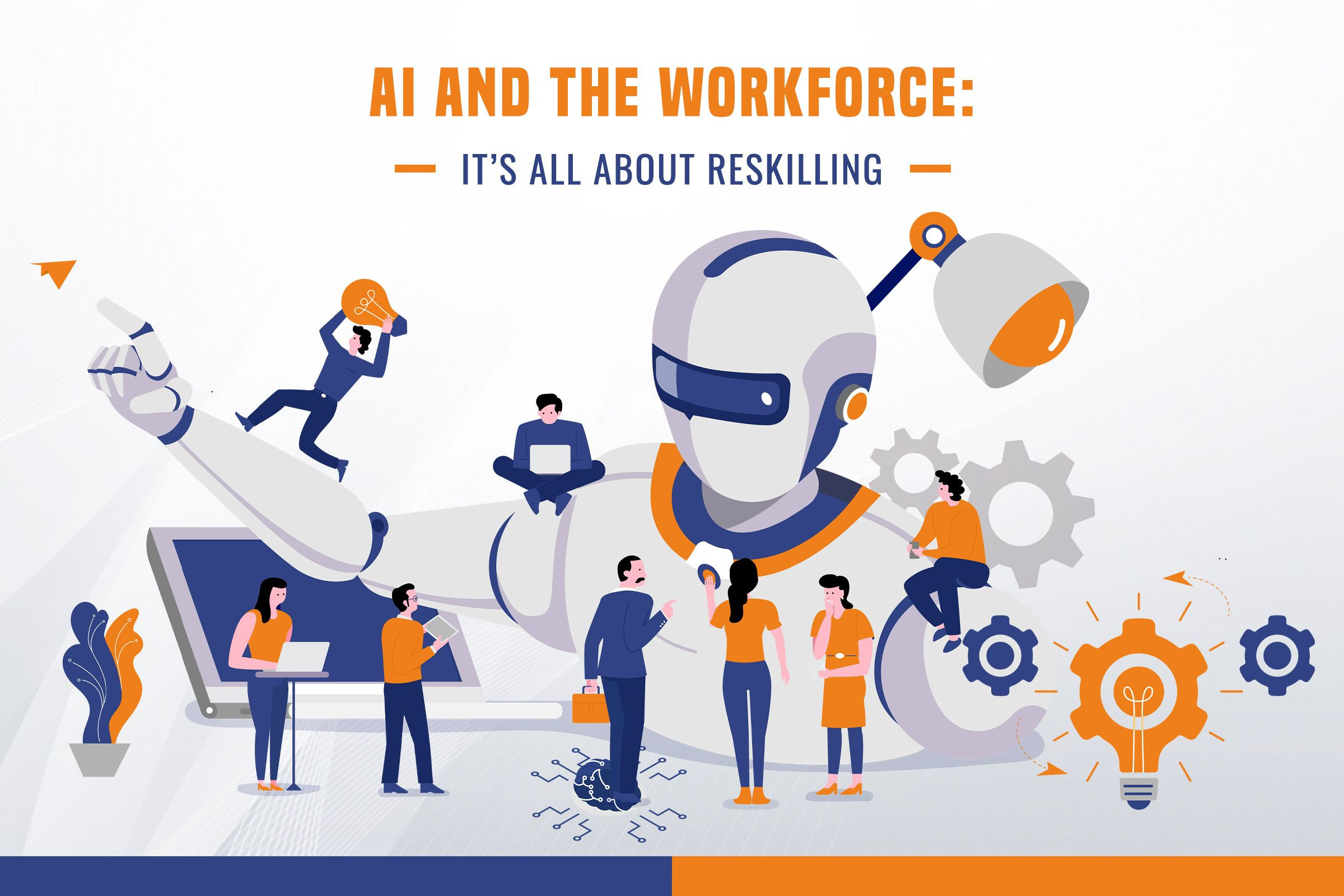

The optimistic narrative has limits. Some firms respond to AI efficiency with layoffs rather than shorter weeks. Estimates suggest 15 to 25 percent workforce reductions in certain tech sectors post-AI rollout. Skill gaps also widen, with up to 40 percent of workers needing retraining by 2028.
A reduced workweek can act as a pressure valve. Instead of eliminating roles, companies distribute efficiency gains as time. This does not solve inequality alone, but it slows shock waves. Policy support remains essential.
Policy and Governance Requirements


From a governance perspective, shorter weeks require coordination beyond companies. Large-scale retraining investment is unavoidable. Income support pilots may bridge gaps during transition periods. Labor standards must evolve to protect pay while reducing hours.
I believe the most realistic path is incremental normalization. As more firms demonstrate stable output at 32 hours, expectations shift. Policy then follows practice rather than ideology.
Why This Model Fits Remote and Global Teams
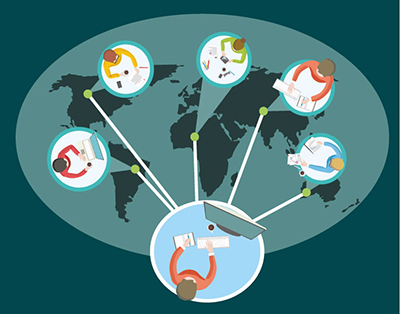


Remote teams across time zones benefit disproportionately. AI scheduling adapts work around asynchronous collaboration. Meeting summaries replace attendance. Knowledge bases stay current without constant updates.
For professionals working across US and EU hours from regions like South Asia, the model is especially powerful. Admin work shrinks. Focus time grows. A 28 to 32 hour week becomes realistic without income loss.
Read: AI Startups Hiring Remote US West Coast Talent in 2026
Key Takeaways
- AI-driven reduced workweeks depend on workflow redesign, not just tools
- Scheduling and meeting automation deliver the largest time savings
- Output often stays near 92 percent with higher quality and focus
- Case studies show revenue growth alongside lower burnout
- Metrics must shift from activity to outcomes
- Policy support will determine long-term equity
Conclusion
I see the AI-driven reduced workweek as one of the most tangible benefits of artificial intelligence for everyday life. It reframes productivity away from endurance and toward effectiveness. The evidence from 2026 suggests this is not a temporary perk but an emerging standard for knowledge work.
Still, success is not automatic. Tools must be paired with trust, clear goals, and thoughtful measurement. Leaders who treat AI as a surveillance layer will fail. Those who treat it as an infrastructure layer will unlock time without sacrificing results.
The broader economic story remains unfinished. Reduced weeks can either soften disruption or mask inequality depending on choices made now. What feels clear to me is that the old forty-hour default no longer reflects technological reality. AI has changed how work scales. The question is whether societies choose to share that gain as time.
Read: Will AI Models Ever Truly Understand Meaning?
FAQs
What is an AI-driven reduced workweek?
It is a work model where AI handles administrative and repetitive tasks, allowing teams to maintain output while working fewer hours, often around 32 per week.
Does productivity really stay high with fewer hours?
Most 2026 studies show output around 90 to 92 percent, with quality and focus often improving due to reduced fatigue.
Which tools matter most?
Scheduling automation and meeting transcription tools deliver the largest gains by removing coordination overhead.
Is this model only for tech companies?
No. While tech leads adoption, professional services, design, and knowledge-based roles are increasingly adopting it.
Will shorter weeks cause layoffs?
They can reduce pressure for layoffs if efficiency gains are shared as time instead of headcount reductions.