
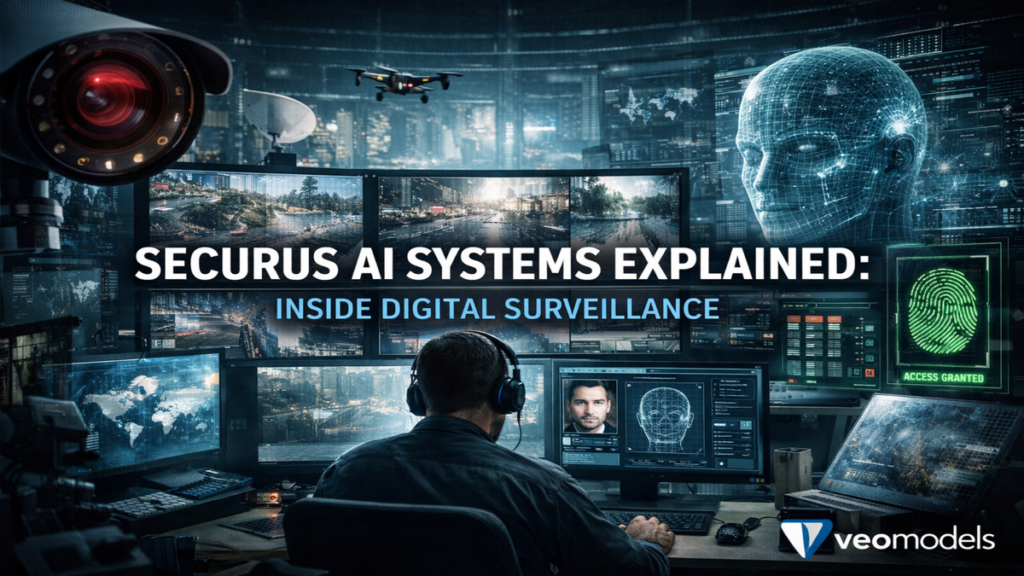

I have spent years analyzing how AI reshapes institutional systems, and one of the most revealing examples comes from platforms like securus. At its core, securus refers to a suite of communication technologies used primarily in correctional facilities to manage inmate communications, monitor interactions, and enforce security protocols. For readers seeking clarity, securus is not just a service but an evolving ecosystem where artificial intelligence, surveillance, and digital infrastructure intersect to control and analyze human communication.
What makes this system particularly significant is not only its functionality but its implications. It sits at the intersection of public safety, privacy rights, and technological advancement. Over time, securus has expanded from basic phone services to include video communication, data analytics, and AI-assisted monitoring. This evolution reflects a broader trend in which institutions increasingly rely on automated systems to interpret and regulate human behavior.
As I have observed across multiple AI deployments, systems like securus do not operate in isolation. They shape workflows, influence decision-making, and redefine expectations about privacy and accountability. The question is no longer whether such systems are effective, but how they should be governed. Understanding securus requires examining both its technical capabilities and the broader societal context in which it operates.
The Evolution of Securus Communication Systems

I have observed that securus systems have evolved significantly over the past two decades, moving from simple telephony services to complex digital communication ecosystems. Initially, these platforms were designed to provide controlled phone access within correctional facilities. Over time, however, the integration of internet-based communication and data analytics transformed their capabilities.
By the early 2010s, securus platforms began incorporating video visitation, allowing inmates to connect with families through monitored digital channels. This shift was driven by both technological advancement and institutional demand for more flexible communication options. As AI capabilities matured, these systems further expanded to include automated monitoring and data analysis tools.
This evolution reflects a broader trend in institutional technology adoption, where systems become more integrated and data-driven over time. The transition from analog to digital communication not only improved efficiency but also introduced new layers of oversight. In my experience analyzing similar systems, such transitions often bring both operational benefits and ethical complexities, particularly when surveillance capabilities expand faster than governance frameworks.
Read: Apple Music Replay Insights and Analysis
AI Integration and Monitoring Capabilities

I find that the integration of artificial intelligence into securus systems represents a critical turning point in how communication is monitored and interpreted. AI tools are now capable of analyzing voice patterns, detecting keywords, and identifying anomalies in communication behavior. These capabilities enable institutions to flag potential risks in real time, reducing reliance on manual monitoring.
Natural language processing plays a central role in this process, allowing systems to interpret spoken or written communication with increasing accuracy. Machine learning models are trained on large datasets to recognize patterns that may indicate security concerns. In practice, this means that conversations can be analyzed not just for content but for context, tone, and frequency.
From my perspective, this level of analysis introduces both efficiency and complexity. While AI can process data at a scale far beyond human capability, it also raises questions about accuracy and bias. False positives, for example, can lead to unnecessary interventions, while missed signals may undermine the system’s effectiveness. Balancing these factors is essential for ensuring that AI-driven monitoring remains both reliable and fair.
Operational Impact on Correctional Facilities
I have seen how securus systems fundamentally reshape workflows within correctional facilities. By centralizing communication and integrating monitoring tools, these platforms streamline operations and reduce administrative burdens. Staff can access communication logs, analyze trends, and respond to incidents more efficiently.
One of the most significant changes is the shift from reactive to proactive management. Instead of responding to incidents after they occur, institutions can use data insights to anticipate potential issues. This predictive capability aligns with broader trends in AI adoption, where systems are designed to identify risks before they escalate.
However, this transformation also requires new skills and training. Staff must understand how to interpret data outputs and integrate them into decision-making processes. In my experience, the success of such systems often depends on how well they are integrated into existing workflows. Technology alone is not sufficient; it must be supported by clear protocols and human expertise.
Privacy, Ethics, and Surveillance Boundaries
I think one of the most critical aspects of securus systems is the ethical dimension of surveillance. While these platforms are designed to enhance security, they also involve the continuous monitoring of personal communication. This raises fundamental questions about privacy and consent.
Scholars like Shoshana Zuboff have argued that modern surveillance systems often blur the line between security and control (Zuboff, 2019). In the context of correctional facilities, this tension is particularly pronounced. Inmates have limited privacy rights, but the extent of monitoring still requires careful consideration.
From my perspective, the challenge lies in establishing clear boundaries. Systems must be designed to achieve their intended purpose without overreaching. This requires transparency, accountability, and ongoing evaluation. As AI capabilities continue to evolve, these considerations will become increasingly important, shaping how such systems are perceived and regulated.
Economic and Infrastructure Considerations
I have analyzed how securus systems operate not only as technological tools but also as economic infrastructures. These platforms involve significant investment in hardware, software, and maintenance. They also generate revenue through service fees, creating a complex financial model.
Infrastructure and Cost Overview
| Component | Function | Impact on Operations |
|---|---|---|
| Communication Hardware | Enables calls and video interactions | Core service delivery |
| AI Monitoring Tools | Analyzes communication data | Enhances security |
| Data Storage Systems | Stores communication records | Supports compliance |
| Network Infrastructure | Connects systems across facilities | Ensures reliability |
The financial aspects of these systems often influence how they are implemented and maintained. Institutions must balance cost considerations with operational needs, ensuring that systems remain effective without becoming burdensome.
Comparing Traditional and AI-Enhanced Systems
I have found it useful to compare traditional communication systems with AI-enhanced platforms like securus to understand their impact more clearly.
System Comparison
| Feature | Traditional Systems | AI-Enhanced Systems |
|---|---|---|
| Monitoring | Manual review | Automated analysis |
| Scalability | Limited | High |
| Response Time | Delayed | Real-time |
| Data Insights | Minimal | Advanced analytics |
This comparison highlights the transformative potential of AI integration. However, it also underscores the need for careful implementation, as increased capability often comes with increased responsibility.
Human Decision-Making in AI Systems
I have consistently observed that even the most advanced systems rely on human judgment. In securus platforms, AI provides data and insights, but decisions are ultimately made by individuals. This interplay between technology and human oversight is critical for maintaining accountability.
Expert Andrew Ng has noted that “AI is the new electricity, but it still requires human direction” (Ng, 2017). This principle applies directly to securus systems, where the value of AI depends on how it is used.
From my experience, the most effective implementations are those that combine technological efficiency with human expertise. This ensures that decisions are informed by both data and context, reducing the risk of errors.
Broader Implications for AI Governance
I see securus as a microcosm of broader trends in AI governance. It illustrates how technology can enhance efficiency while also introducing new challenges. The lessons learned from such systems can inform policies and practices in other domains.
Governance frameworks must address issues such as transparency, accountability, and fairness. This requires collaboration between technologists, policymakers, and stakeholders. As AI continues to expand into new areas, these considerations will become increasingly important.
In my analysis, the key is not to resist technological advancement but to guide it responsibly. Systems like securus demonstrate both the potential and the risks of AI, highlighting the need for thoughtful implementation.
The Future of Controlled Communication Systems
I believe that the future of systems like securus will be shaped by ongoing advancements in AI and digital infrastructure. Emerging technologies such as edge computing and multimodal analysis may further enhance capabilities, allowing for more nuanced interpretation of communication.
At the same time, public awareness and regulatory scrutiny are likely to increase. This will influence how systems are designed and deployed, ensuring that they align with societal expectations.
The challenge will be to balance innovation with responsibility. As I have seen in other domains, the most successful systems are those that integrate technological advancement with ethical considerations. This balance will determine the long-term impact of securus and similar platforms.
Takeaways
- Securus systems integrate AI to monitor and manage communication in controlled environments.
- They have evolved from basic telephony to complex digital ecosystems.
- AI enables real-time analysis but introduces challenges related to accuracy and bias.
- Ethical considerations around privacy and surveillance remain central.
- Economic and infrastructure factors influence system implementation.
- Human oversight is essential for effective and accountable use.
Conclusion
I find that securus represents a compelling example of how AI transforms institutional systems. It demonstrates the power of technology to enhance efficiency and security while also highlighting the complexities of implementation. The integration of AI into communication systems offers significant benefits, but it also requires careful consideration of ethical and practical implications.
As these systems continue to evolve, their impact will extend beyond correctional facilities, influencing broader discussions about surveillance, governance, and human rights. The challenge lies in ensuring that technological advancement serves the public good without compromising fundamental values.
In the end, securus is not just a tool but a reflection of how society chooses to balance innovation with responsibility. Its future will depend on the decisions made today, shaping the role of AI in controlled communication environments.
FAQs
What is securus used for?
Securus provides communication and monitoring systems primarily used in correctional facilities to manage inmate interactions.
How does AI enhance securus systems?
AI enables automated analysis of communication, detecting patterns and potential risks in real time.
Are securus systems secure?
They are designed for security, but concerns remain about data privacy and surveillance practices.
What are the ethical concerns?
Continuous monitoring raises questions about privacy, consent, and the potential for misuse.
What is the future of securus technology?
It is likely to incorporate more advanced AI and data analytics while facing increased regulatory scrutiny.
References
Ng, A. (2017). Artificial intelligence is the new electricity. Stanford University Lecture.
Zuboff, S. (2019). The age of surveillance capitalism. PublicAffairs.
National Institute of Justice. (2020). Technology in corrections: Communication systems and monitoring. https://nij.ojp.gov
Federal Communications Commission. (2021). Inmate calling services report and order. https://www.fcc.gov
Electronic Frontier Foundation. (2022). Privacy and surveillance in correctional technology. https://www.eff.org