
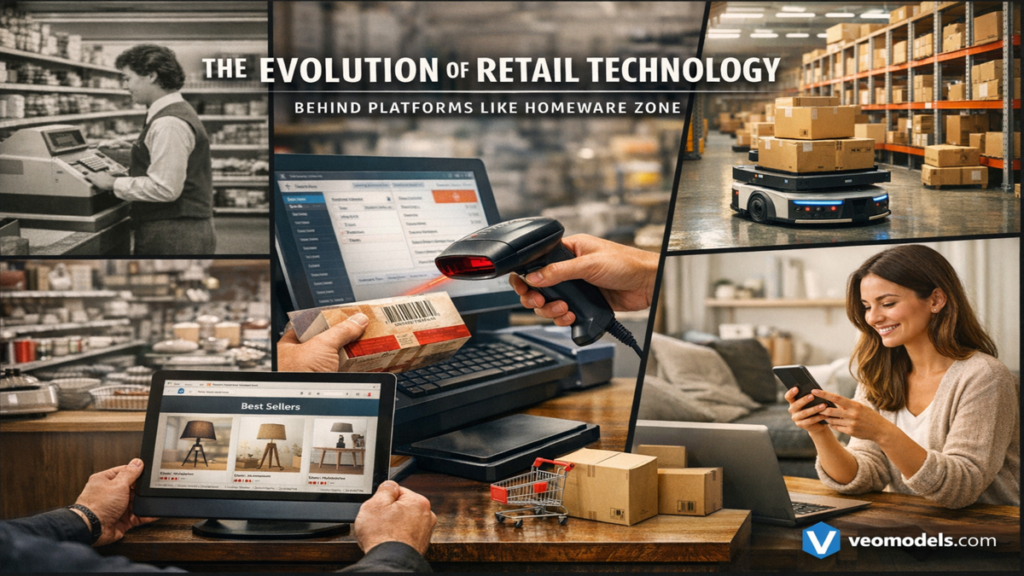

In the past decade, I have watched retail technology evolve from simple online storefronts into complex ecosystems powered by intelligent systems, automated logistics, and data-driven recommendations. Platforms like Homeware Zone, which showcase practical appliances such as rice cookers, pressure washers, and small household electronics, represent a growing segment of retail where technology directly shapes everyday living. While many retailers still rely on conventional product catalogs, modern digital platforms are increasingly integrating AI-driven insights, logistics automation, and smart appliance ecosystems.
For consumers, the result is a smoother experience: products are easier to discover, appliances are becoming smarter, and retailers can anticipate household needs more accurately. For businesses, the shift is even more significant. Retailers selling home appliances must now operate at the intersection of commerce, technology, and data analytics. From recommendation algorithms to inventory forecasting systems, artificial intelligence is quietly reshaping how stores present and distribute everyday household products.
When I analyze retail technology adoption across industries, homeware and small electronics retail often provide some of the most practical examples of applied AI. These products are used daily, and their performance affects routine activities like cooking, cleaning, and home maintenance. Platforms similar to Homeware Zone illustrate how retail innovation is no longer limited to large e-commerce companies; smaller regional sellers are also leveraging digital tools, social media engagement, and automated fulfillment strategies to reach broader audiences.
Understanding how these systems operate reveals a deeper trend: the convergence of retail infrastructure, smart appliances, and intelligent software is gradually redefining how households interact with technology.
Digital Retail Platforms Transforming Household Shopping
Retail platforms specializing in home appliances have evolved dramatically. Early online stores simply replicated physical catalog listings. Today’s systems are designed to guide consumer decisions using behavioral data and usage patterns.
Platforms promoting products like pressure washers or rice cookers often rely heavily on social commerce, particularly through video demonstrations and short product reels. These formats provide an immediate visual understanding of how appliances function, reducing uncertainty for buyers.
AI-driven retail tools now analyze customer engagement metrics, such as viewing time or interaction rates. Retailers can determine which appliances resonate most with their audience and adjust product positioning accordingly.
The approach is especially effective for practical products. A short video demonstrating a pressure washer cleaning a driveway communicates value more efficiently than a written description. Retailers leveraging such content strategies often see higher conversion rates.
In my experience evaluating digital retail systems, the combination of video-based marketing and algorithmic product promotion has become one of the most powerful sales tools for appliance-focused businesses.
How Homeware Zone Reflects the Rise of Practical Appliance Retail
Although global technology discussions often focus on advanced AI products, everyday appliances remain one of the most consistent technology adoption categories. Retail platforms like Homeware Zone highlight this reality.
Many of the products promoted through such stores emphasize convenience and efficiency:
- Pressure washers for household cleaning
- Energy-efficient rice cookers
- Compact kitchen appliances
- Cleaning tools designed for quick maintenance
These products address common household tasks, making them highly relatable to consumers. What distinguishes modern appliance retailers is their ability to demonstrate functionality through digital media.
For instance, short demonstration videos showing real-world performance often outperform traditional product photography. This shift toward demonstration-based retail is partly driven by AI-powered engagement analysis, which helps retailers understand which content formats perform best.
As retail platforms continue evolving, the focus on functional household technology is likely to remain central to the sector.
AI-Driven Product Discovery in Appliance Retail
Artificial intelligence plays an increasingly important role in how customers discover household products online. Recommendation engines analyze browsing patterns, purchase histories, and engagement behavior to surface relevant items.
For example, someone researching cleaning tools may receive recommendations for pressure washers, vacuum systems, or surface cleaners. AI models can also identify seasonal purchasing patterns, promoting certain products at optimal times.
Industry researchers emphasize the impact of personalization systems.
“Recommendation algorithms now account for a significant share of online retail revenue,” notes McKinsey’s research on digital commerce personalization.
Retailers selling household appliances benefit particularly from this approach because many purchases are need-based rather than impulsive. Intelligent recommendation systems help customers locate solutions more quickly.
Platforms similar to Homeware Zone often integrate such insights indirectly through social engagement analytics and targeted promotion strategies.
Table: Typical Appliance Categories in Digital Homeware Retail
| Category | Common Products | Consumer Benefit |
|---|---|---|
| Kitchen Appliances | Rice cookers, kettles, blenders | Faster meal preparation |
| Cleaning Tools | Pressure washers, vacuum systems | Efficient home maintenance |
| Smart Home Accessories | Sensors, smart plugs | Energy management |
| Utility Appliances | Water heaters, dispensers | Everyday convenience |
The Role of Social Media in Modern Appliance Retail
Social media platforms have become essential distribution channels for small and regional appliance retailers. Unlike traditional online stores, social commerce enables direct engagement with customers.
Video content plays a particularly important role. Demonstrations of appliances in action help buyers evaluate real-world performance.
For example, a pressure washer demonstration that visually removes dirt from a driveway immediately communicates product effectiveness. Retailers often pair such videos with limited-time offers or delivery promotions to encourage purchases.
From a technology perspective, these platforms rely heavily on engagement algorithms. Content that receives higher interaction rates is automatically promoted to larger audiences.
In my research on digital retail trends, I have repeatedly observed that short-form video demonstrations outperform static product listings, especially for practical household equipment.
Smart Appliances and the Expanding Home Technology Ecosystem
Home appliances themselves are becoming more technologically advanced. Even relatively simple devices are increasingly integrating sensors, energy management systems, or connectivity features.
Smart rice cookers, for example, may adjust cooking temperatures automatically or offer programmable cooking schedules. Pressure washers incorporate improved motor efficiency and adjustable pressure systems.
These innovations contribute to a broader shift toward smart household infrastructure.
Technology analysts highlight the importance of this trend.
“The connected home ecosystem will continue expanding as appliances gain intelligence and connectivity,” explains research from IDC’s smart home market analysis.
Retailers that showcase these features effectively can differentiate their product offerings and provide additional value to customers.
Table: Retail Technology Systems Supporting Appliance Stores
| Technology | Function | Impact |
|---|---|---|
| AI Recommendation Engines | Personalized product suggestions | Higher conversion rates |
| Inventory Forecasting | Predicts demand patterns | Reduced stock shortages |
| Social Commerce Tools | Video-based product marketing | Increased engagement |
| Logistics Automation | Order tracking and delivery management | Faster fulfillment |
Logistics and Delivery in Appliance Retail
Efficient delivery systems are essential for appliance retailers. Even small household products require reliable logistics networks to ensure timely fulfillment.
Retailers frequently partner with regional delivery services or manage their own localized shipping operations. In urban areas, delivery speed often becomes a competitive advantage.
Many retailers also integrate automated order tracking systems. Customers receive updates throughout the delivery process, reducing uncertainty and improving satisfaction.
Logistics automation tools analyze purchasing trends to anticipate demand spikes. For example, cleaning appliances may experience increased sales during holiday seasons or major weather changes.
From my perspective analyzing e-commerce logistics strategies, the most successful retailers combine predictive inventory management with transparent delivery tracking.
Data Insights Shaping Appliance Retail Decisions
Retail technology generates vast amounts of data, including customer engagement metrics, purchasing behavior, and product performance statistics.
Retailers use these insights to optimize their offerings. If a particular appliance consistently receives strong engagement, stores may increase inventory or feature it more prominently.
AI-driven analytics also identify emerging consumer needs. For example, increasing interest in energy-efficient appliances may influence which products retailers prioritize.
Academic research supports the importance of data-driven retail strategies.
“Retail analytics allows organizations to make more informed merchandising decisions,” according to Harvard Business Review’s research on data-driven retail.
Platforms specializing in household appliances benefit significantly from these insights because consumer needs in this sector are highly practical and predictable.
Customer Trust and Demonstration-Based Retail
Trust plays a crucial role in appliance retail. Consumers want confidence that a product will perform as expected in real-world conditions.
Demonstration videos, product reviews, and transparent specifications help build this trust. Retailers often show appliances performing everyday tasks such as cooking rice or cleaning outdoor surfaces.
This approach aligns closely with how consumers evaluate practical technology. Instead of focusing solely on features, demonstration-based retail emphasizes real outcomes.
In my experience studying retail adoption trends, stores that clearly show product functionality consistently outperform those relying only on descriptions.
The Future of Digital Appliance Retail Platforms
Looking ahead, appliance retailers will likely adopt even more advanced technologies. AI-driven forecasting systems, automated warehouses, and predictive maintenance tools for smart appliances may become standard features.
Retail platforms will also integrate more immersive shopping experiences, including augmented reality product previews or interactive demonstration tools.
At the same time, the core value proposition will remain unchanged: practical products that simplify daily household tasks.
Retailers similar to Homeware Zone represent an important segment of this evolving ecosystem. Their success highlights the ongoing demand for functional technology that improves everyday life.
As AI continues shaping commerce infrastructure, even small regional retailers will gain access to sophisticated tools once reserved for large global companies.
Key Takeaways
- Digital retail platforms are transforming how consumers discover and purchase household appliances.
- AI recommendation systems improve product discovery and personalization.
- Social media video demonstrations significantly increase engagement and trust.
- Smart appliances are expanding the connected home ecosystem.
- Data analytics helps retailers optimize product selection and inventory planning.
- Logistics automation improves delivery efficiency and customer satisfaction.
Conclusion
The retail landscape surrounding household appliances is undergoing a quiet but meaningful transformation. Over the past few years, I have observed how technological infrastructure once limited to major e-commerce platforms is gradually becoming accessible to smaller retailers. Intelligent analytics, recommendation systems, and digital marketing tools now allow businesses of all sizes to operate more efficiently and reach broader audiences.
Platforms like Homeware Zone illustrate how this shift plays out in practice. By combining practical household products with modern retail technologies such as video demonstrations and digital engagement analytics, retailers can create compelling shopping experiences without massive infrastructure investments.
The broader lesson is clear: innovation in retail does not always come from futuristic technologies alone. Often, it emerges through the integration of simple tools that enhance everyday experiences. As AI continues to influence commerce, appliance retailers that adopt data-driven strategies and transparent product demonstrations will likely remain well positioned for the evolving digital marketplace.
Read: How to Recall Email Outlook: What Works and What Fails
FAQs
What is Homeware Zone?
Homeware Zone appears to be a retailer or online platform focused on selling household appliances such as rice cookers, cleaning equipment, and other practical home technologies.
Why are appliance demonstrations important in online retail?
Demonstrations allow customers to see how products perform in real-world situations, improving trust and reducing uncertainty before purchase.
How does AI influence appliance retail?
AI systems analyze consumer behavior and recommend relevant products, helping retailers personalize shopping experiences and increase sales efficiency.
What types of appliances are most popular online?
Kitchen appliances, cleaning equipment, and small smart home devices are among the most frequently purchased household products online.
How are small retailers adopting modern retail technology?
Many smaller retailers use social media marketing, engagement analytics, and automated logistics systems to compete with larger e-commerce platforms.
References
IDC. (2023). Worldwide Smart Home Device Market Forecast. International Data Corporation.
McKinsey & Company. (2021). Next in Personalization 2021 Report.
Harvard Business Review. (2020). Competing on Analytics in Retail.
Statista. (2024). Smart Home Market Revenue Worldwide.
Grewal, D., Roggeveen, A., & Nordfält, J. (2017). The Future of Retailing. Journal of Retailing.