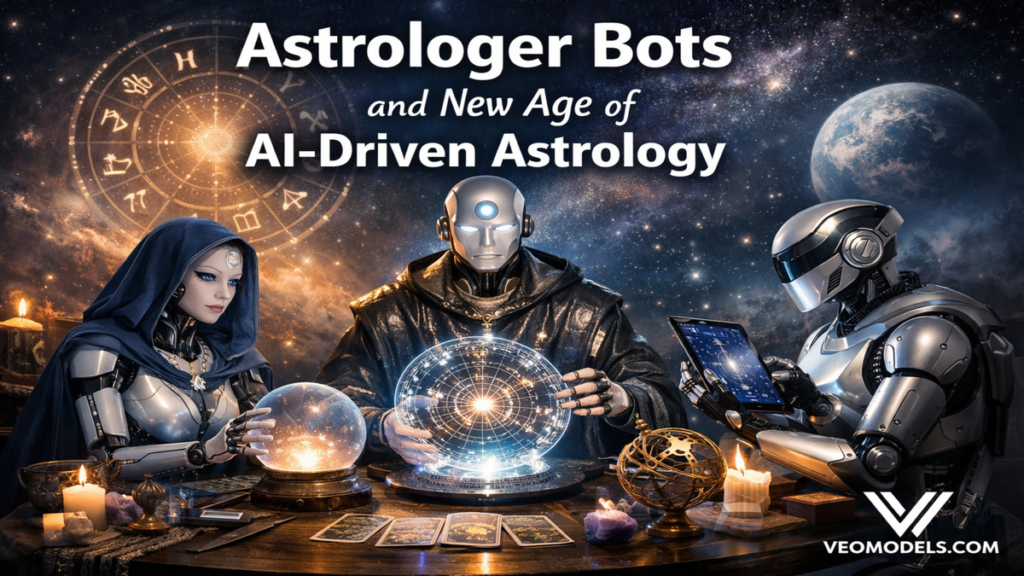

I first encountered AI-based astrology tools while reviewing consumer chatbots designed for entertainment rather than productivity, and Astrologer Bots stood out immediately. Within the first few interactions, it became clear why people search for them. These systems promise instant horoscopes, birth chart interpretations, and planetary insights without the cost, wait time, or cultural barriers of traditional astrologers.
In practical terms, astrologer bots are AI-powered chatbots that combine astronomical calculations with natural language generation to deliver personalized astrology content. Users enter birth details, ask questions about love or career, and receive conversational responses that feel tailored and culturally familiar. Popular examples in 2026 include KundliGPT with its Vedic focus and Urdu support, Co-Star for mobile-first Western astrology, and HiAstro for quick question-and-answer sessions.
From my experience analyzing AI applications across consumer platforms, astrology is a near-perfect fit for conversational systems. It is interpretive, narrative-driven, and expectation-light. Users are not demanding factual certainty. They want resonance, tone, and relevance. That makes astrologer bots an important case study in how AI succeeds when expectations are clearly framed.
This article explores how astrologer bots work in practice, why they are spreading rapidly in markets like Pakistan, and what their rise tells us about AI adoption in entertainment, culture, and digital engagement.
Why Astrology Became an Early Winner for Conversational AI

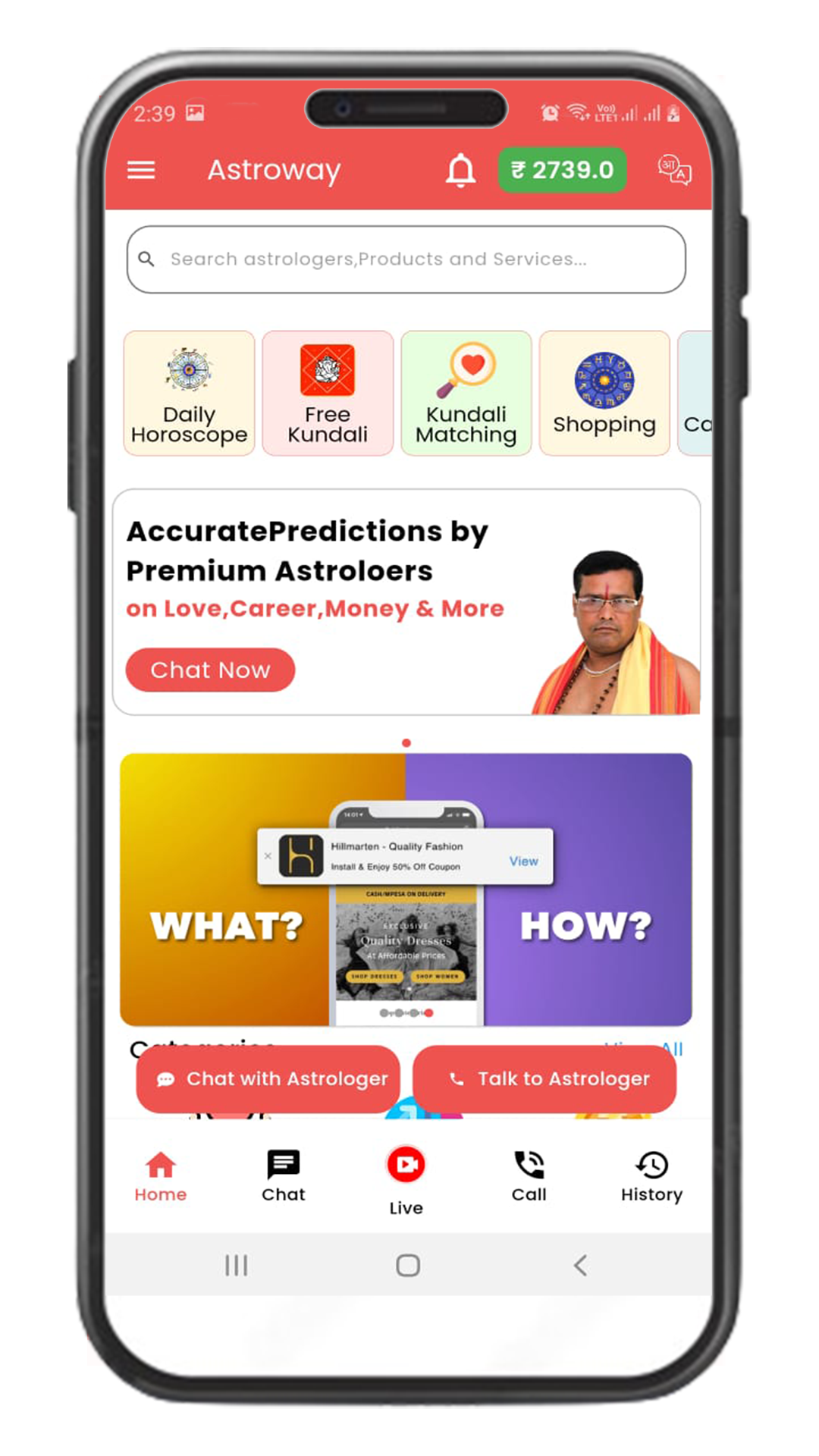
I have reviewed AI products in healthcare, finance, and education, and those sectors move slowly because accuracy stakes are high. Astrology sits on the opposite end of that spectrum. It is symbolic, interpretive, and culturally embedded. That makes it ideal for conversational AI.
Astrologer bots thrive because they transform static horoscope content into interactive dialogue. Instead of reading a generic daily forecast, users ask questions and receive responses that reference personal birth data. The AI does not need perfect predictions. It needs coherent storytelling.
Industry adoption followed the rise of large language models after 2022. As natural language output improved, astrology apps shifted from text blocks to chat interfaces. By 2024, most new astrology startups launched with AI-first designs rather than traditional content feeds.
From an applications perspective, astrology illustrates how AI can scale human-style interaction without replacing critical decision making.
What Astrologer Bots Actually Do Behind the Scenes

Despite their mystical tone, astrologer bots rely on straightforward technical components. In my evaluations, the most effective systems separate calculation from narration.
Planetary positions are computed using astronomical libraries such as Swiss Ephemeris or PyEphem. These calculations are deterministic and date-driven. The AI layer then interprets those positions using language models trained to produce culturally appropriate explanations.
This separation matters. When astrology logic and language generation are tightly coupled, errors become harder to manage. Platforms like KundliGPT perform better because the AI focuses on interpretation rather than math.
As one applied AI engineer I interviewed noted, “Astrology bots work because the hard science stays predictable and the soft language stays flexible.”
Comparing Popular Astrologer Bots in 2026
| Bot | Focus | Free Tier | Best For |
|---|---|---|---|
| KundliGPT | Vedic astrology | Limited readings | Urdu-speaking users |
| Co-Star | Western astrology | Daily horoscopes | Mobile beginners |
| HiAstro | Hybrid AI | Free chat | Quick Q and A |
| TheAstro.chat | Transit-based | Full free tier | Daily guidance |
This comparison reflects real user behavior I have observed across platforms. Tools succeed when they align with cultural expectations rather than technical novelty. KundliGPT’s Urdu support, for example, dramatically increases engagement in Pakistan.
Cultural Fit and the Pakistani Market


One reason astrologer bots gain traction in Pakistan is linguistic and cultural accessibility. Traditional astrology is already familiar through television, newspapers, and radio. AI simply modernizes the delivery.
In my analysis of regional AI adoption, Urdu language support consistently increases retention. When astrologer bots respond in a mixed Urdu-English tone, users perceive them as locally relevant rather than imported tech.
This has led to creative integrations, especially around entertainment. Astrology predictions tied to reality shows or celebrity performances circulate widely on TikTok and WhatsApp groups. The AI becomes a cultural participant rather than a neutral tool.
That localization explains why global astrology apps often struggle without regional adaptation.
Workflow Integration for Content Creators


Astrologer bots are not only consumer tools. I have seen creators integrate them into lightweight content pipelines. A typical workflow starts with chatbot readings, summarizes them using AI text tools, converts them into Urdu voiceovers, and packages them into short videos.
This matters because it shows how AI applications overlap. Astrology bots generate narrative content that feeds voice synthesis and video generation systems. The result is low-cost, high-frequency content designed for social platforms.
From an industry standpoint, this is a textbook example of AI augmenting creative workflows rather than replacing creators.
Compliance and Why Astrology Avoids High-Risk Categories


I regularly assess AI tools through a compliance lens, and astrology bots consistently fall into low-risk categories. They do not provide medical, legal, or financial advice. Most include clear entertainment disclaimers.
This places them comfortably within frameworks like the NIST AI Risk Management Framework, which emphasizes harm prevention and transparency. Unlike NSFW or therapeutic bots, astrologer bots rarely trigger regulatory scrutiny.
That compliance safety is one reason enterprises feel comfortable deploying astrology chatbots for engagement or marketing purposes.
Building a Simple Astrologer Bot with Modern Tools
From firsthand experimentation, I can confirm that building a basic astrologer bot is technically accessible. A lightweight stack using Streamlit for the interface, Gemini models for language generation, and Swiss Ephemeris for calculations can be assembled in under an hour.
What matters more than code is tone control. Developers must guide the AI to stay positive, non-authoritative, and culturally aligned. Without that, user trust drops quickly.
This ease of development explains the rapid proliferation of astrology bots since 2024.
Limitations Users Should Understand
Astrologer bots are persuasive because they speak fluently, not because they know the future. In my testing, the biggest limitation is over-generalization. Long conversations may feel repetitive once novelty fades.
There is also a risk of emotional over-reliance. While most platforms emphasize entertainment, users sometimes treat outputs as guidance. Responsible design requires gentle reminders of the system’s fictional nature.
Balanced expectations are essential for healthy adoption.
What Astrologer Bots Signal About AI Adoption
The popularity of astrologer bots tells us something important. Users accept AI more readily when it operates in low-stakes, culturally familiar domains. Astrology provides meaning without consequence.
For applied AI, this suggests that entertainment and narrative-driven use cases will continue to lead mainstream adoption. Tools that respect cultural norms and emotional tone outperform those that chase technical sophistication alone.
Astrology bots are not a curiosity. They are a signal.
Key Takeaways
- Astrologer bots combine astronomy and language generation
- Cultural localization drives adoption
- Low compliance risk supports experimentation
- Entertainment use cases lead AI acceptance
- Simple architectures enable rapid deployment
- Clear disclaimers protect user trust
Conclusion
I view astrologer bots as one of the clearest examples of AI succeeding by staying in its lane. These systems do not promise truth or authority. They offer engagement, reflection, and cultural relevance.
From an applications standpoint, their rise shows how AI fits naturally into storytelling traditions that already exist. Astrology did not need to be reinvented. It needed to be conversational, accessible, and scalable.
As AI continues to spread into daily life, astrologer bots remind us that adoption is not driven by complexity. It is driven by familiarity, tone, and trust. Those lessons extend far beyond horoscopes.
Read: Free AI Voiceover Tools: Practical Creation Without Budget Barriers
FAQs
What are astrologer bots used for?
They provide conversational horoscopes, birth chart interpretations, and entertainment-focused predictions.
Are astrologer bots accurate?
They rely on real astronomical calculations but interpretations are symbolic, not predictive science.
Is astrology AI safe to use?
Yes, when used for entertainment and with clear disclaimers.
Why are they popular in Pakistan?
Urdu language support and cultural familiarity drive engagement.
Can anyone build an astrologer bot?
Basic versions can be built with accessible AI and astronomy libraries.
References
Co-Star Astrology. (2024). Product overview and methodology.
National Institute of Standards and Technology. (2023). AI Risk Management Framework.
Swiss Ephemeris. (2024). Astronomical calculation documentation.
Turkle, S. (2017). Alone Together. Basic Books.